Metropolitan Police detectives charged four men with conspiracy to defraud on Friday after NatWest reported six-figure losses from SIM-swap attacks on small business accounts across London and the Home Counties.
The Crown Prosecution Service alleges the group recruited insiders at mobile shops to port numbers without customer consent, then intercepted one-time passcodes sent to compromised handsets. Police said total attempted theft exceeded eight hundred thousand pounds, with roughly half blocked by bank fraud filters.
How the ring operated
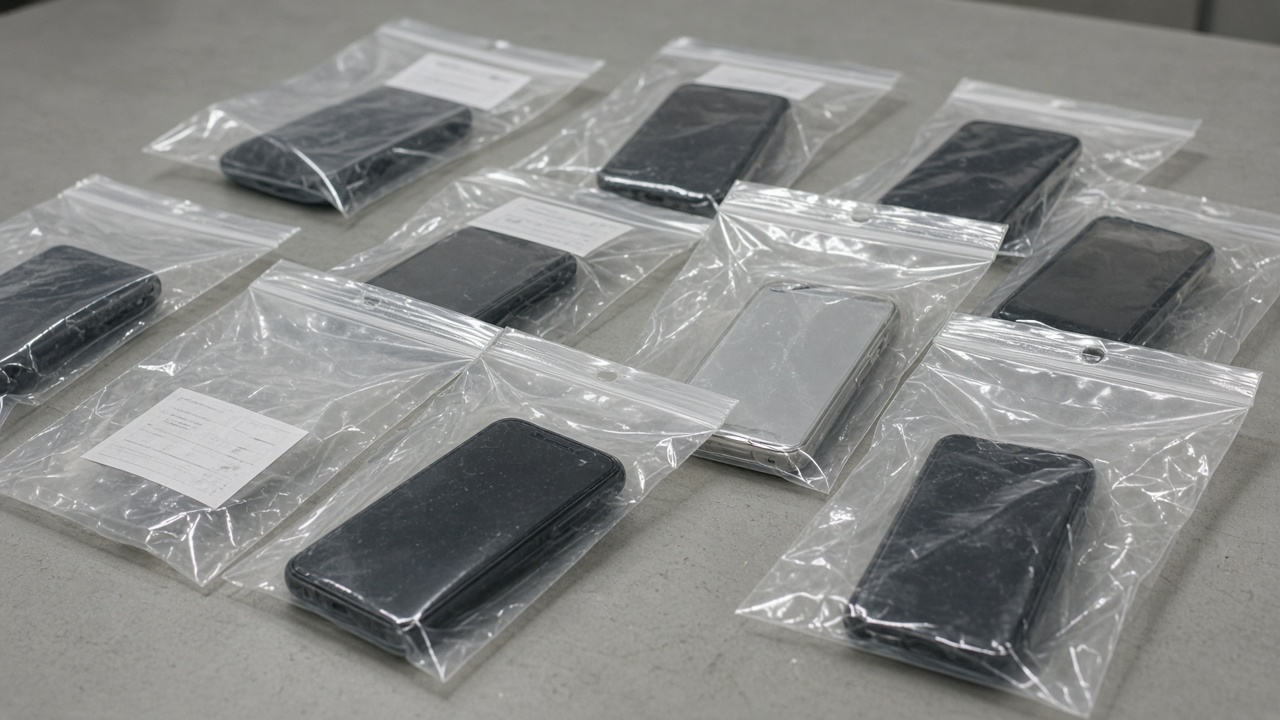
According to the charge sheet, defendants used forged utility bills to satisfy weak retailer checks, then logged into NatWest business portals within minutes of a successful swap. Detectives seized twenty-three phones and a laptop during dawn raids in Croydon and Luton.
NatWest said it tightened SIM-swap hold times in August but acknowledged that smaller firms without dedicated security staff remain exposed when mobile carriers approve ports overnight.
Court dates
All four defendants appeared at City of London Magistrates' Court and were remanded in custody pending a plea hearing in November. Names match public court listings; InfoHandle is not repeating unverified social media claims about wider syndicate links.
Prevention advice
The National Fraud Intelligence Bureau urged firms to register porting locks with carriers and to use hardware security keys on banking portals. Ofcom's consultation on stronger customer verification for mobile transfers closes next month.
Investigation timeline
Detectives from the Met's Proactive Money Laundering Team began reviewing NatWest alerts in July after a Hertfordshire logistics firm lost forty-two thousand pounds in a single afternoon. Pattern analysis linked five ports executed within ninety minutes at three high-street mobile shops.
Covert officers then tracked courier movements between Croydon and Luton, leading to Thursday's arrests. Police said two defendants previously worked as subcontracted kiosk staff, though retailers emphasised they have since tightened dual-control approvals on port requests.
NatWest's business banking unit sent targeted warnings to twelve thousand clients with SMS-only two-factor authentication, urging hardware token adoption. The bank said uptake doubled in August but plateaued in September as smaller firms balked at token costs.
Telecoms regulator Ofcom is separately consulting on mandatory in-branch photo ID for business lines, a rule mobile network operators resist because of checkout friction.
Victim firms may claim compensation through the Financial Ombudsman Service if banks decline reimbursement; consumer groups said business accounts lack the same mandatory refund protections as personal authorised push payment rules.
City of London Police economic crime unit coordinated with mobile network EE and Vodafone to freeze ports linked to the investigation. Both carriers said they are reviewing retailer training after the case highlighted forged documents passing checks.
Cyber insurers reported a uptick in SIM-swap exclusions for policies under ten thousand pounds premium, pushing small firms toward standalone crime riders.
Magistrates heard that one defendant acted as a courier collecting SIM cards from compromised retailers, while others coordinated bank logins from shared chat groups. Defence solicitors did not enter pleas at the first hearing.
NatWest plans a webinar series for business clients on port-lock registration, scheduled for mid-November regardless of trial outcomes.
Action Fraud published refreshed SIM-swap guidance alongside the charges, urging firms to register dual authorisers on banking portals. The Met said further arrests remain possible as digital forensic work continues on seized devices.
Mobile industry body Mobile UK pledged faster fraud intelligence sharing with banks after the case highlighted overnight port approvals.