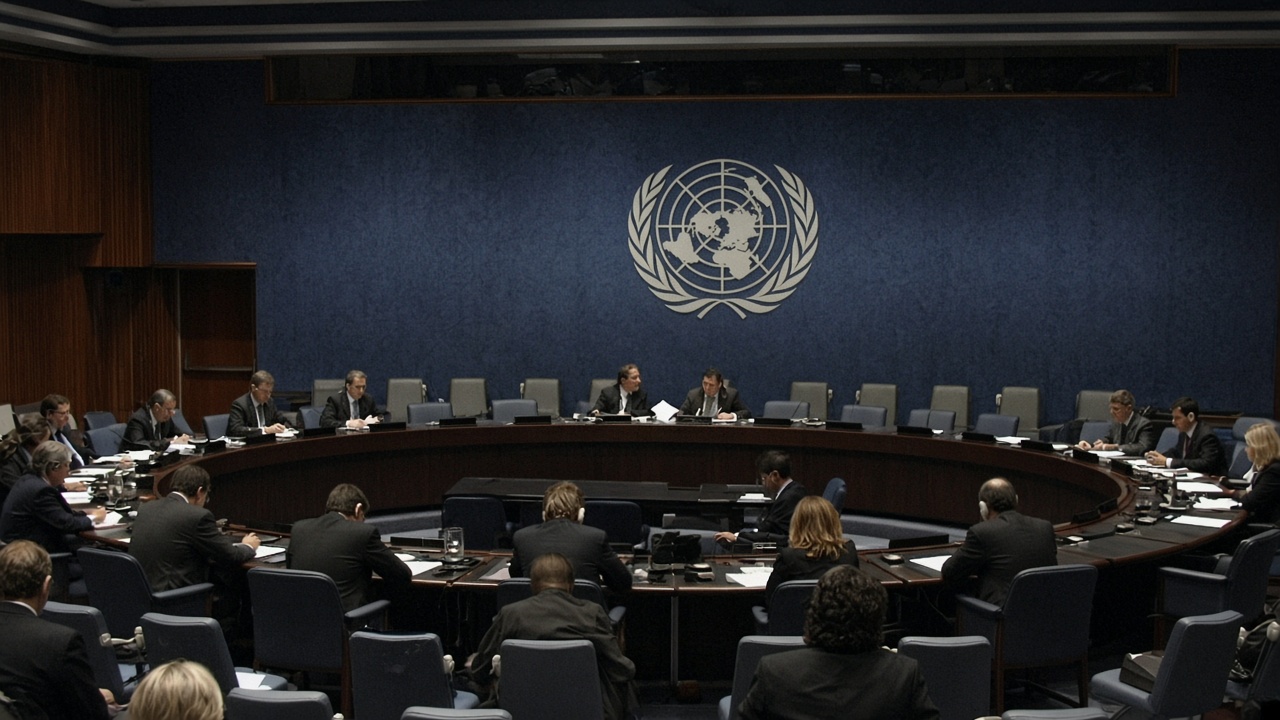
The United Nations Security Council adopted resolution 2797 on Friday, extending the MINURSO peacekeeping mission in Western Sahara through 31 October 2026 and instructing the parties to negotiate on the basis of Morocco’s 2007 autonomy plan. Eleven members voted in favour, none opposed, and China, Pakistan and Russia abstained; Algeria did not take part in the vote.
What the text commits the Council to
The adopted language renews the mandate of the United Nations Mission for the Referendum in Western Sahara and expresses full support for Secretary-General António Guterres and Personal Envoy Staffan de Mistura to conduct talks using Morocco’s autonomy proposal as the starting point. The resolution says genuine autonomy under Moroccan sovereignty could represent the most feasible outcome and calls on Morocco, the Polisario Front, Algeria and Mauritania to engage without preconditions.
Western Sahara, a sparsely populated territory roughly the size of Britain, has been disputed since Spain withdrew in 1975. Morocco administers most of the land and considers it sovereign territory; the Polisario Front, backed by Algeria, seeks an independent Sahrawi state. MINURSO has monitored a ceasefire since 1991, though the planned referendum never occurred and diplomatic efforts have stalled for years.
How the vote split the chamber
The U.S.-drafted text drew praise from Morocco and several European and African allies that have moved toward recognising Rabat’s position, aligning with the Trump administration’s earlier endorsement of Moroccan sovereignty. Algeria, which hosts Sahrawi refugees and supports the Polisario, criticised the resolution for sidelining prior peace plans and did not participate when the gavel fell.
Russia, China and Pakistan abstained rather than blocking the renewal, preserving the mission while signalling discomfort with elevating one party’s plan. U.N. spokespersons noted that humanitarian funding for Sahrawi refugees remains under pressure and that registration of refugee populations is still incomplete, issues the Secretary-General’s latest report flagged before the vote.
What negotiators face next
De Mistura has been convening the parties in a renewed push, and the resolution welcomes U.S. readiness to host talks. Polisario representatives said the vote prejudges self-determination; Moroccan officials called it historic validation of their autonomy offer. European capitals that already recognise Moroccan sovereignty over the territory saw the vote as confirmation, while human-rights groups warned that tightening the political frame could narrow options for Sahrawi communities still living in camps in Algeria.
The Secretary-General’s September report to the Council noted continued restrictions on movement and trade in the territory and repeated calls for independent monitoring of human-rights conditions. None of that language survived in Friday’s operative paragraphs, which focus narrowly on mandate renewal and the autonomy-centred negotiating track. Aid agencies operating on both sides of the berm said they need predictable access regardless of diplomacy, because food and fuel deliveries still depend on Moroccan clearance and Polisario cooperation at crossing points.
For MINURSO’s roughly 240 military observers and police, the immediate task is unchanged: monitor the ceasefire line and support the envoy’s shuttle diplomacy while the political track tries to convert Friday’s language into a timetable both sides can accept. The next briefing to the Council is expected before winter, when tempers in the camps traditionally flare over stalled talks and the cost of living in a desert economy tied to phosphate exports and fishing rights that both parties claim.