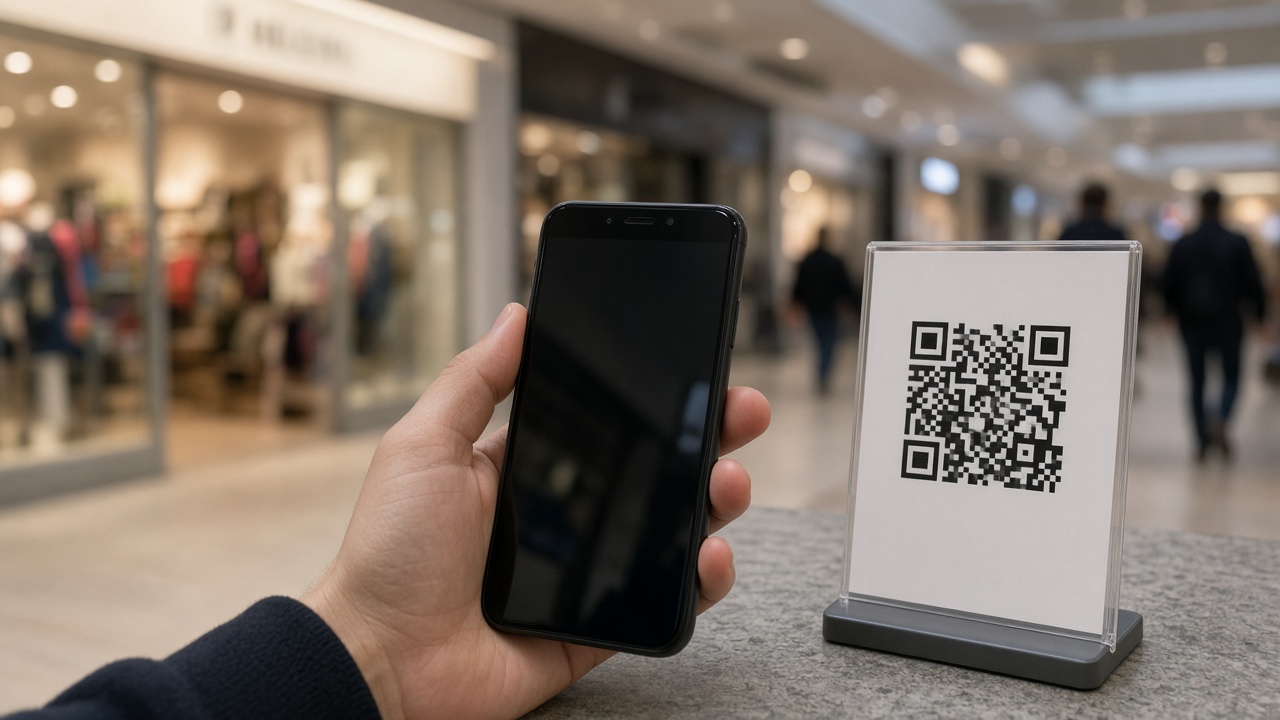
NETS said PayNow QR codes now settle at selected DuitNow merchants within about five seconds at five Johor Bahru malls frequented by Singapore weekend shoppers, a pilot with Malaysia's PayNet before a possible wider rollout along the Causeway retail belt.
How the pilot works
Singapore users scan a unified NETS QR at participating tills; PayNet routes the ringgit leg to DuitNow merchant accounts without forcing shoppers to download a separate Malaysian wallet. FX conversion uses MAS-supervised bank rates displayed before confirmation, with a S$5,000 daily cap per user during the pilot. Merchants at Mid Valley Southkey, Paradigm Mall, and three other centres reported lower cash handling on the first weekend.
NETS chief executive Lawrence Chan said the test focuses on receipt speed and dispute handling, not marketing discounts. Participating banks on both sides can decline transactions that fail duplicate-screening rules already used for cross-border FAST transfers.
Limits and next steps
The pilot excludes petrol kiosks and hawker stalls that still rely on static QR prints without dynamic tokens. MAS and Bank Negara Malaysia said they will review fraud reports weekly before expanding to grocers near the Second Link. For shoppers, the practical win is leaving smaller ringgit cash piles at home; for merchants, chargeback rules mirror domestic DuitNow timelines.
If error rates stay below 0.01 percent through December, NETS aims to add Causeway bus terminal kiosks in the first quarter of 2027. Until then, keep physical cards as backup when QR routers maintenance at either end.
Security reviews
PayNet said duplicate QR stickers near Causeway bus stops were removed before launch after auditors found static codes that could be swapped by fraudsters. Dynamic QR tokens refresh every 60 seconds at mall tills in the pilot. NETS logs device fingerprints when users pay above S$1,000 equivalent to flag shared phones used by runners.
MAS noted the pilot does not replace traveller insurance or chargeback rights on credit cards; it simply routes ringgit faster. If you dispute a transaction, the same 14-day window as domestic PayNow applies, with Malaysian merchants subject to PayNet arbitration. Expansion hinges on keeping dispute rates below domestic averages through December.
Additional reporting from InfoHandle Singapore desk.
Singapore readers can follow updates on the edition homepage as officials release more detail through the week.
Institutions named in this story may publish clarifications on their official channels; figures here reflect Friday morning filings.