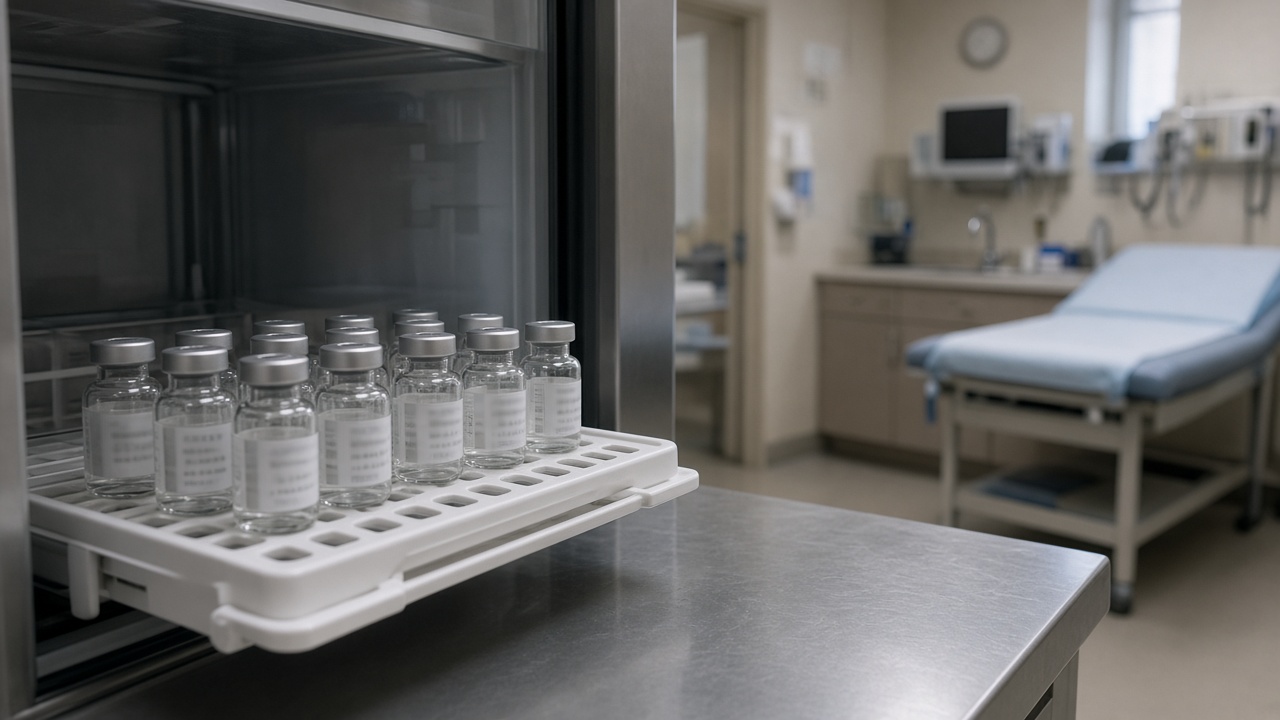
The Food and Drug Administration widened Pfizer’s Abrysvo label so obstetricians can give the maternal respiratory syncytial virus shot earlier in pregnancy, a change aimed at shielding newborns during the winter wave when pediatric hospitalizations historically spike.
What the label change allows
Abrysvo is injected into pregnant people so antibodies cross the placenta and protect infants during their first months of life. The updated prescribing information moves the earliest permitted dosing window to 24 weeks of gestation from 32 weeks, giving clinics more scheduling flexibility before holiday travel and family gatherings mix vulnerable newborns with older siblings who carry RSV in daycare.
The FDA action does not replace nirsevimab, the monoclonal antibody pediatricians give directly to infants; the two products can play complementary roles depending on timing of birth and maternal vaccination. Pfizer said supply for the expanded window is already staged at wholesale distributors serving hospital obstetric units.
Who should talk to a clinician now
Expectant parents due between November and February should ask whether maternal Abrysvo fits their prenatal plan, especially if a previous infant was hospitalized for RSV. The Centers for Disease Control and Prevention tracks RSV activity regionally; southern states often see early-season climbs that justify earlier vaccination under the new label.
Insurance coverage for maternal RSV immunization expanded after prior season recommendations, but Medicaid fee schedules vary by state. Bring your plan card to the prenatal visit so staff can verify billing codes before administration; the shot is a single dose per pregnancy under current guidance.
Safety monitoring continues
Post-marketing studies required by the FDA will follow preterm birth rates and hypertensive disorders in vaccinated cohorts. Pharmacovigilance reports from last season did not show signal shifts beyond trial expectations, but the agency kept a pregnancy registry active when it approved the earlier window.
Parents of infants already born should still discuss nirsevimab or palivizumab eligibility with pediatricians; maternal Abrysvo does not help babies delivered before the shot was given. Hospital labor units are updating order sets this weekend so nurses see the new gestational timing in electronic prompts.
Pharmacy and insurer coordination
Retail pharmacies cannot administer Abrysvo; obstetric offices and hospital clinics hold the cold-chain contracts. Call ahead if you plan to receive the shot at a prenatal visit this week, because some sites batch orders on Mondays and may have limited walk-in slots before Thanksgiving travel.
Employer-sponsored plans must cover recommended prenatal immunizations without cost sharing under federal preventive-service rules, but self-funded plans sometimes lag on billing codes. Ask for the CPT code on the explanation of benefits if a claim rejects, so staff can rebill under the preventive category rather than a general medical visit.