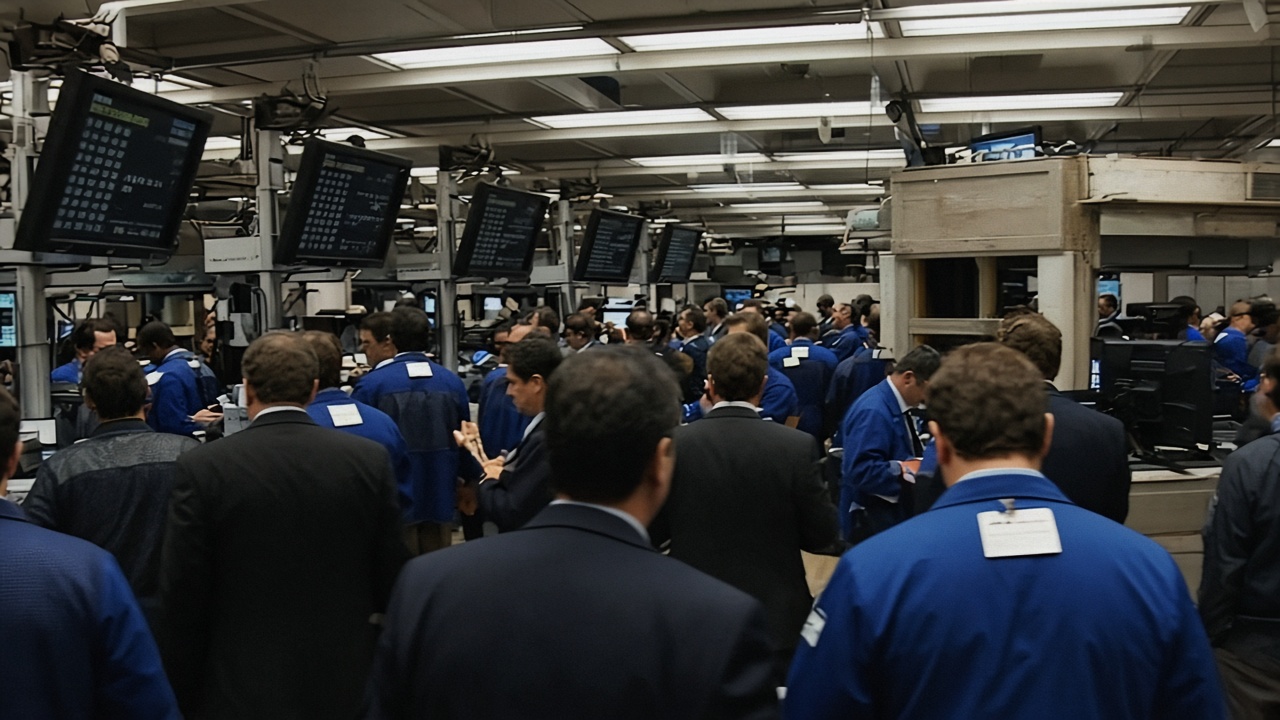
Small-cap stocks outran the broad market on Halloween as regional banks rallied into Tuesday’s midterm elections, leaving the Russell 2000 up 1.4 percent in the session while the S&P 500 added a quieter 0.4 percent to close October with a 2.1 percent monthly gain.
Session mechanics
The S&P 500 finished at 7,756.18, according to index provider data, extending a month that began with megacap technology earnings volatility. Nasdaq-heavy names slipped after a revenue miss from one search giant weighed on communication services, but energy and consumer-staples components cushioned the cap-weighted index because oil majors had already posted strong quarters when West Texas Intermediate settled above $103.
Regional-bank ETFs led the Russell as traders priced a steadier net-interest-margin path after the Federal Reserve held its policy rate at 3.75 to 4 percent with two dissents arguing for a cut. KRE, the regional-bank benchmark, rose more than twice the Russell’s gain as investors bet a divided government would slow further tightening.
Why small caps led the day
Domestic revenue-heavy companies benefit when a strong dollar stops appreciating; the trade-weighted dollar index eased slightly this week, helping industrial and transport names in the Russell more than exporters in the S&P 100. Election-eve positioning also rotated toward sectors tied to domestic infrastructure spending rather than megacap platforms facing antitrust headlines.
Volume was thin by historical Halloween standards, with many desks sending skeleton crews to the floor, but futures markets showed no late-day risk-off spike. CME E-mini S&P futures settled higher into the close, suggesting traders were not hedging a binary election outcome with broad index puts.
What holders should watch next week
October’s gain follows a September close above 7,650 documented in earlier BEA and index prints tied to a 3.4 percent annualized third-quarter GDP advance. The open question for November is whether megacap guidance after Amazon’s beat can pull Nasdaq leadership back or whether bank-heavy small caps keep catching up after a year of lagging large growth.
None of this is investment advice; the actionable read for holders is calendar-based. Dividend and index-rebalance flows hit mutual funds on the first trading day of November, which can amplify moves in Russell names with smaller floats. Check your fund’s reconstitution notices if you own passive small-cap products.
Earnings and rates still set the tone
Megacap cloud earnings remain the swing factor for November even after today’s small-cap leadership. If forward guidance softens hiring plans, Russell transports and regional banks could give back part of the Halloween session quickly. Bond markets priced little change in implied rate cuts after the Fed’s late-October hold, which keeps bank net-interest margins in focus for community lenders with heavy commercial real estate books.
Retail investors using end-of-month statements should remember that October’s 2.1 percent gain includes dividend reinvestment on the S&P 500 total-return series, not just price change on the index level traders quote on television.