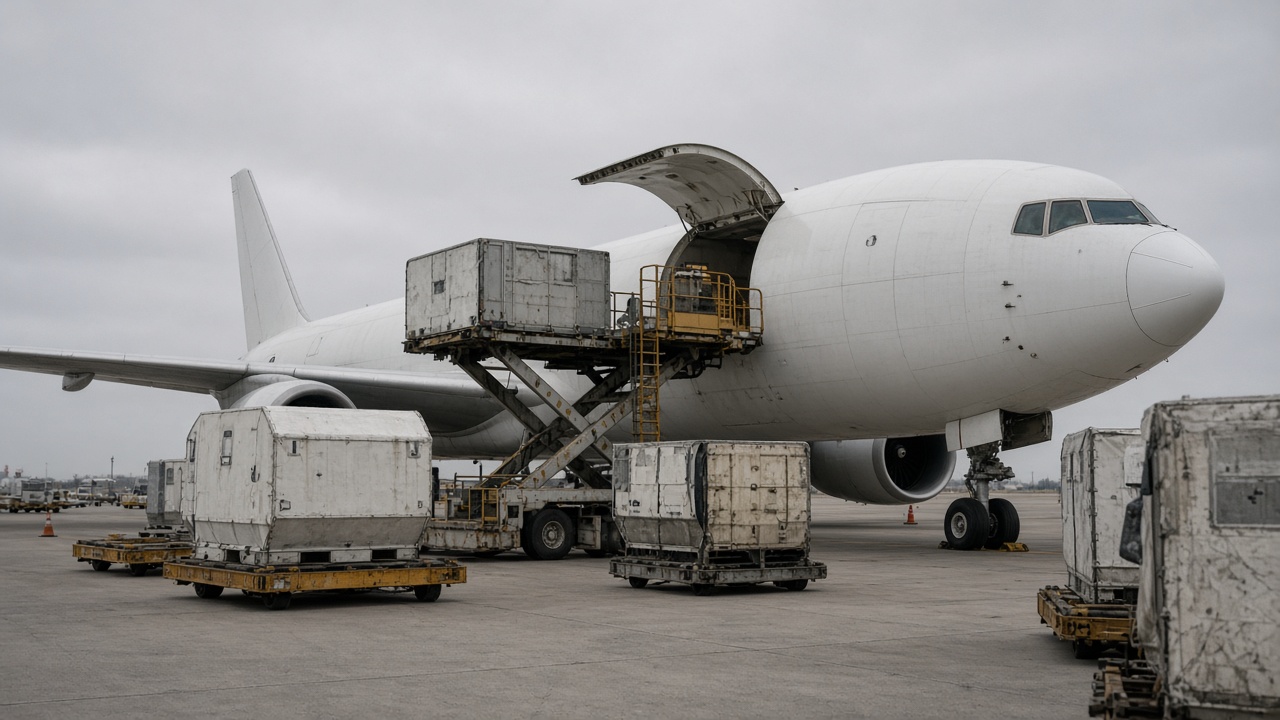
SATS reported third-quarter cargo throughput of 152,400 tonnes at Changi, up 6.2 percent from a year earlier, as dedicated freighter banks and e-commerce bellyhold volumes offset softer transshipment through Hong Kong and slower passenger widebody returns on long-haul routes.
Freighters carry the quarter
Chief executive Kerry Mok told analysts on Friday that freighter utilisation averaged 94 percent across SATS' ground-handling lanes, with pharmaceutical and perishables lanes running near capacity on Singapore-Europe sectors. Belly cargo on passenger flights rose 11 percent as Chinese and Indian carriers restored frequencies, but Mok said the margin story still skewed toward all-cargo operators that parked fewer rotations during the September peak season.
Changi Airport Group's own statistics show total airfreight tonnage through the hub up 4.8 percent for the first nine months of 2026, keeping Singapore ahead of regional peers that lost transshipment to direct e-commerce charters. SATS' food solutions division grew more slowly at 2.1 percent, reflecting weaker in-flight catering demand on routes still below 2019 seat counts.
Capital spending and automation
The group reaffirmed S$180 million in automation spending through 2027 for cold-chain robotics at the expanded Cargo Mega Terminal interface. Mok said two autonomous guided vehicle lanes went live in September, trimming average import breakdown times by seven minutes for time-sensitive semiconductor spares. Investors asked whether Hong Kong's cargo rebound would compress yields; Mok replied that Changi's pharma certification stack remains the moat for high-value lanes.
Guidance into year-end
SATS kept full-year EBITDA guidance at S$650 million to S$680 million, assuming no major fuel surcharge disputes with anchor tenants. Shares closed 1.4 percent higher on the Singapore Exchange ahead of the call, outperforming the broader transport cluster. Analysts at DBS Research said cargo upside could fund a special dividend if net debt stays below 2.2 times EBITDA through December.
For exporters in Tuas and Loyang, the operational read-through is lane availability: freighter banks are full, but bellyhold space on passenger flights is still rationed on US west coast sectors. SATS' throughput figure is the hub-level confirmation that peak season inventory is moving, even when passenger tourism headlines stay muted.
Regional competition
Air cargo analysts at Bernstein noted Hong Kong's third-quarter tonnage recovery narrowed Changi's lead on transshipment lanes to Europe, but pharma cold-chain certification still favours Singapore for temperature-sensitive biologics. SATS rival DNATA Singapore reported mid-single-digit growth in its own update, suggesting market expansion rather than share theft. Both handlers benefited from e-commerce platforms staging inventory closer to Southeast Asian consumers ahead of November sales events.
Labour remains tight: SATS raised starting pay for cargo agents by 6 percent in July and still runs referral bonuses for night-shift forklift drivers. Mok said automation spending is partly a response to hiring friction, not only throughput targets. If freighter banks soften after peak season, EBITDA guidance could tighten, but the third-quarter tonnage print reduces that risk heading into November.