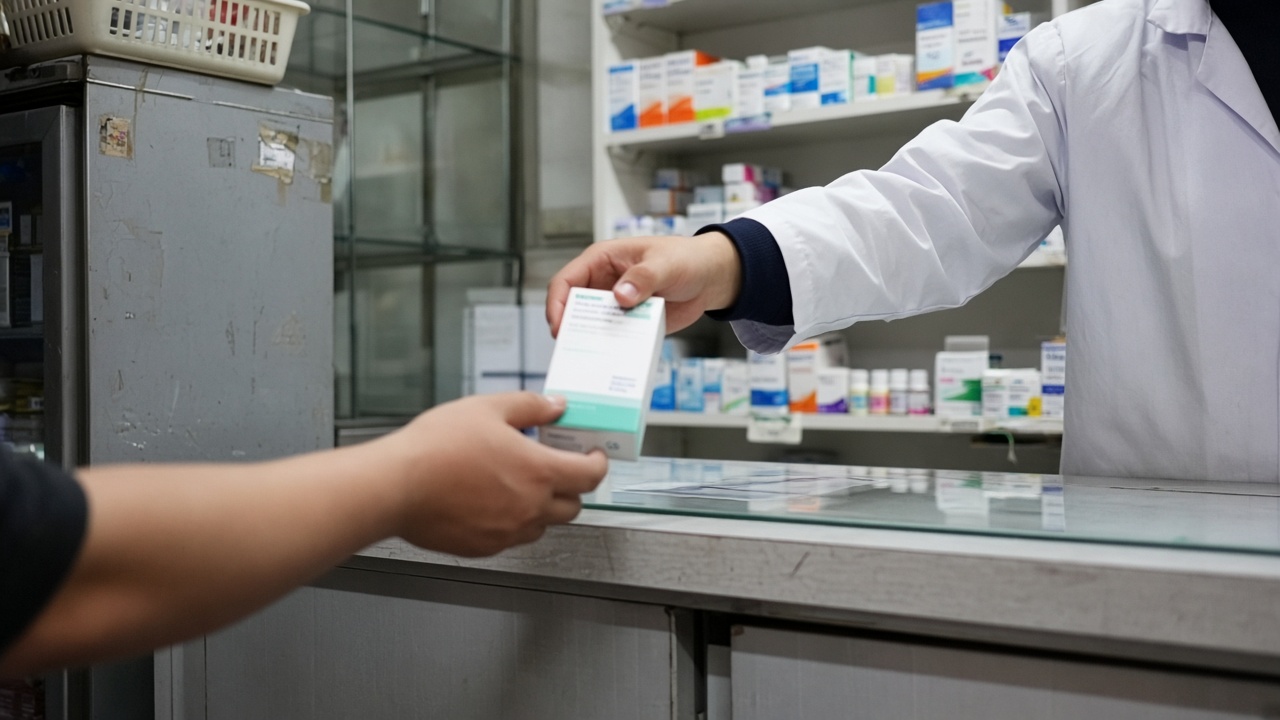
Health Secretary Wes Streeting confirmed on Friday that thirty-eight community pharmacies will pilot point-of-care sore-throat testing and antibiotic supply under updated pharmacist independent prescribing rules, ahead of a broader primary care statement in mid-November.
The sites span the West Midlands and Greater Manchester integrated care boards, chosen for high GP appointment pressure scores. Pharmacists will use rapid antigen tests before supplying phenoxymethylpenicillin when clinical criteria match NHS guidelines.
Why pharmacies
Streeting told broadcasters the pilots aim to keep minor infections out of A&E while respecting antimicrobial stewardship. Patients without complications should finish consultations in the pharmacy rather than waiting days for GP callbacks.
The Royal Pharmaceutical Society said training modules began this month; participants must log outcomes in a central dashboard so NHS England can audit prescribing rates weekly.
GP reception
The British Medical Association welcomed faster access but warned that funding must follow workload. The pilot fee mirrors the existing Pharmacy First consultation tariff with a small uplift for test kits.
Next steps
If error rates stay below agreed thresholds, the programme could expand to one hundred sites before winter peak. Streeting linked the announcement to wider digital triage tools for NHS App users, though those details wait for the November statement.
Clinical safeguards
Pharmacists must record fever duration, swallowing difficulty and rash status before supplying antibiotics; software prompts block supply when red-flag symptoms appear. NHS England will publish weekly resistance monitoring from pilot postcodes to catch inappropriate prescribing early.
Integrated care boards selected sites near GP practices with the longest telephone queues, not necessarily the highest deprivation scores, to test whether pharmacy access alone reduces emergency visits.
Patient groups representing older people asked for clearer signage that the service is not a full GP replacement; Streeting agreed and promised a public information campaign alongside the November statement.
Wholesale drug distributors said penicillin stock is adequate nationally but warned local spikes could occur if media coverage drives demand; contingency buffers sit in regional NHS warehouses.
Shadow health secretary Victoria Atkins said pilots must not become a substitute for restoring full dental and GP access, a political line that will shape November statement bargaining. Streeting replied that pharmacy capacity is already paid for and should be used when clinicians agree protocols are safe.
Local pharmaceutical committees supplied test kits to pilot sites under existing wholesale contracts, avoiding a separate procurement tender that could have delayed launch until December.
Digital triage on the NHS App will cross-check pilot postcodes so users see pharmacy options when sore throat symptoms are selected, reducing duplicate GP calls. Privacy officers signed off data sharing under existing primary care contracts.
Antimicrobial pharmacists on NHS England's advisory panel will review pilot data each fortnight, with authority to pause sites if resistance markers tick upward in regional labs.
Pharmacy multiples including Boots and Well confirmed selected pilot sites sit within their estates, simplifying IT integration for consultation recording. Independent pharmacies receive the same fee tariff with additional setup grants capped at two thousand pounds per branch.