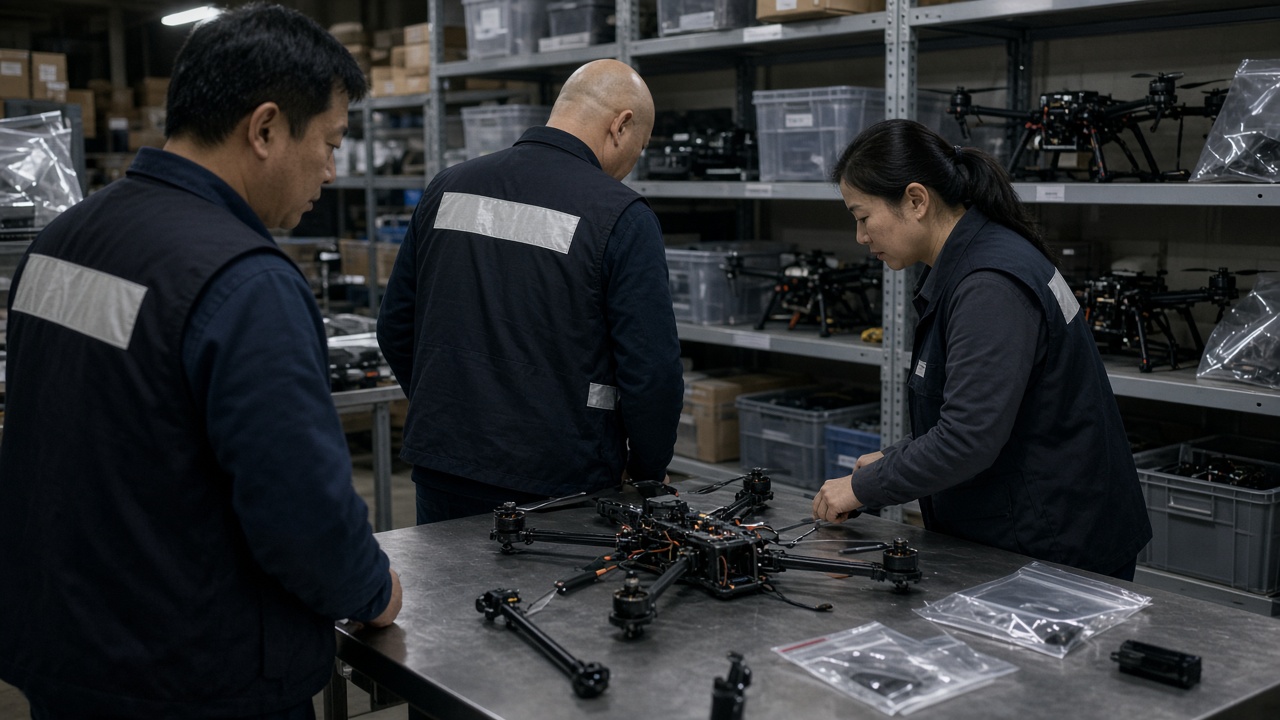
Taichung prosecutors won permission to detain the husband-and-wife founders of Altas Technology without bail after the army reported Chinese-marked semiconductors inside unmanned aircraft the company supplied for training, the Taichung District Prosecutors Office told CNA on Friday. The case began when an army unit spotted “CN” lettering on chips during acceptance testing and notified investigators.
From hobby helicopters to military bids
Altas, based in Fengyuan, built a global reputation in remote-control helicopters before pivoting to police, fire and military drones, CNA reported. Prosecutors said the firm had won multiple government tenders, including an army purchase for instruction and training aircraft. Contract language bars components from China, Hong Kong or Macau, a restriction prosecutors cited when arguing the couple posed a flight risk.
Investigators searched the company in mid-October, seizing six people for questioning. They allege at least two drone orders worth more than NT$8 million included the same suspect chips found in the first army delivery. Liberty Times reported that the founder, known in the RC hobby world as the “remote-control helicopter king,” marketed the firm as a domestic supplier while allegedly substituting restricted parts.
National security and fraud charges
Prosecutors charged the pair under the National Security Act and fraud statutes, telling the court that mixing unapproved silicon into military-grade platforms could expose Taiwan’s forces to supply-chain sabotage or intelligence risks. The Ministry of National Defense has not named the affected units, but lawmakers on the Foreign Affairs and National Defense Committee said they would demand a full inventory of Altas deliveries across services.
Defense officials emphasized the discovery came from the army’s own acceptance checks rather than a tip from overseas, a detail likely to feature in upcoming audits of drone procurement. No verdict has been reached, and company lawyers have not spoken publicly since the detention ruling.
Supply-chain scrutiny spreads
The detention lands as Taiwan tightens reviews of dual-use electronics ahead of local elections and increased PLA activity around the median line. Security analysts said even training drones matter because firmware and radios can be reused in front-line systems if left unchecked.
Industry groups warned that a high-profile arrest could slow police and fire departments that relied on Altas platforms for disaster surveys. Prosecutors said they would trace chip distributors and bank records to determine whether other bidders received the same components.
What happens next
Detention without bail gives investigators up to two months to build indictments while experts test whether the chips can exfiltrate data or disable aircraft mid-flight. The army said it halted further deliveries from Altas and would re-inspect stored inventory this week.
Parliamentary hearings are expected after the nine-in-one elections, with opposition lawmakers already asking whether earlier audits missed red flags. Prosecutors asked anyone with information on alternate suppliers used by Altas to contact the Taichung investigation team.