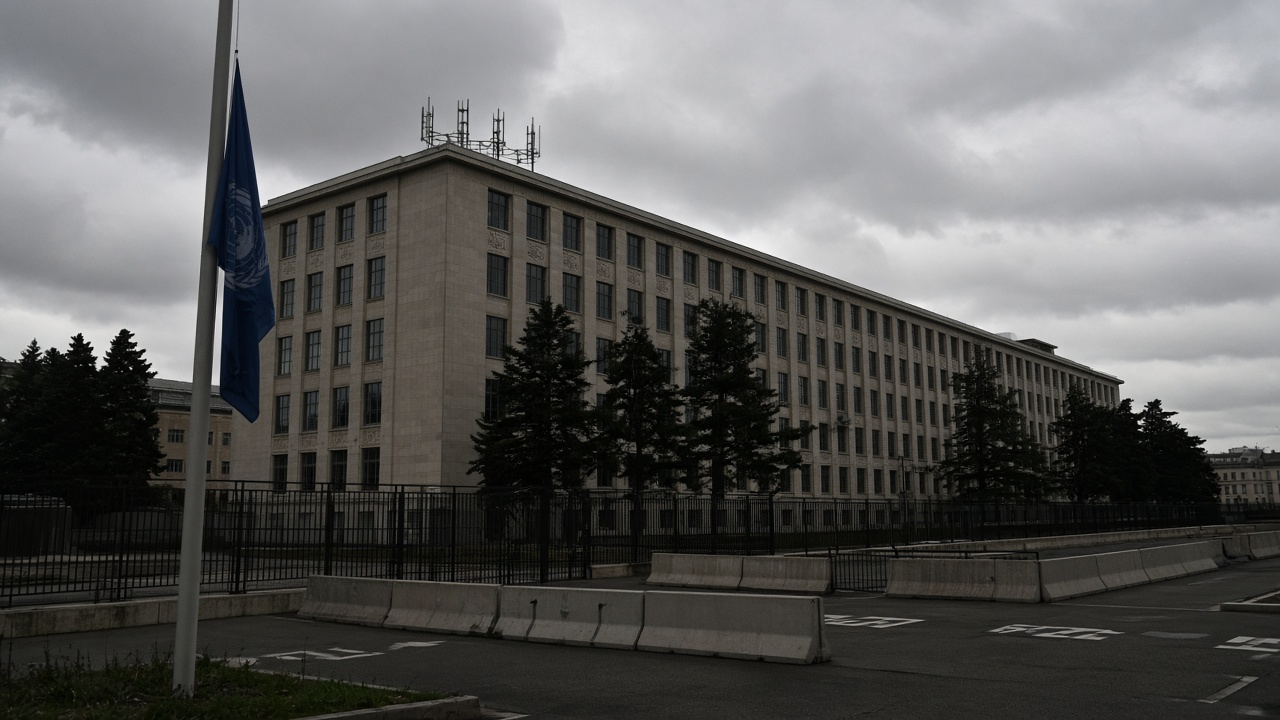
United Nations High Commissioner for Human Rights Volker Türk said Saturday that Mohammad el Shami, a Yemeni staff member of the UN Human Rights Office, died in the custody of Houthi de facto authorities after more than two years of arbitrary detention, and that his family received no explanation of the cause or timing until weeks after his death.
What the family was told
El Shami had been held since 6 June 2024, when Houthi forces swept up 13 UN personnel in a wave of raids, according to UN statements and reporting by UN News. Türk said information from the family indicated el Shami died more than a month ago but relatives were informed only recently. They have not been given medical or detention records, he said, and they “deserve to know the truth.”
Arab News reported that el Shami is the second UN staff member known to have died in Houthi detention, following a World Food Programme worker who died in custody in early 2025. Yemen’s internationally recognized human rights minister, Mashdal Omar, said the Houthis bore full responsibility for el Shami’s “abduction, disappearance, and death” and called for his body to be returned.
Investigation and accountability
Türk demanded a prompt, independent and thorough investigation, with disclosure of all relevant medical and detention records, preservation of evidence and independent scrutiny of any stated cause of death. “There must be accountability for wrongdoing,” he said in a Geneva statement carried by OHCHR.
The Houthis have accused detained UN staff of spying for the United States and Israel, charges the UN rejects. UN News noted that as of mid-October the organization counted 71 personnel still in Houthi detention, including seven colleagues from Türk’s office, alongside humanitarian workers and civil society members.
Remaining detainees and UN operations
Türk said he remained gravely concerned for those still held and repeated his appeal for their immediate and unconditional release. Pending release, he said, the Houthis must guarantee safety, humane treatment, medical care, family contact and UN access.
Special Envoy Hans Grundberg told the Security Council on 9 October that many detainees had serious health problems, making release urgent. Türk added that el Shami’s death raised “profound concerns” about the safety of UN personnel and the conditions under which the UN can operate in Houthi-controlled areas.
What happens next
There was no immediate public response from Houthi authorities to Türk’s statement on Saturday. The UN has previously suspended some activities in Houthi strongholds after prior deaths in custody. Diplomats said any credible inquiry would need access to detention sites and independent forensic review, not merely a unilateral account from the group holding the staff.