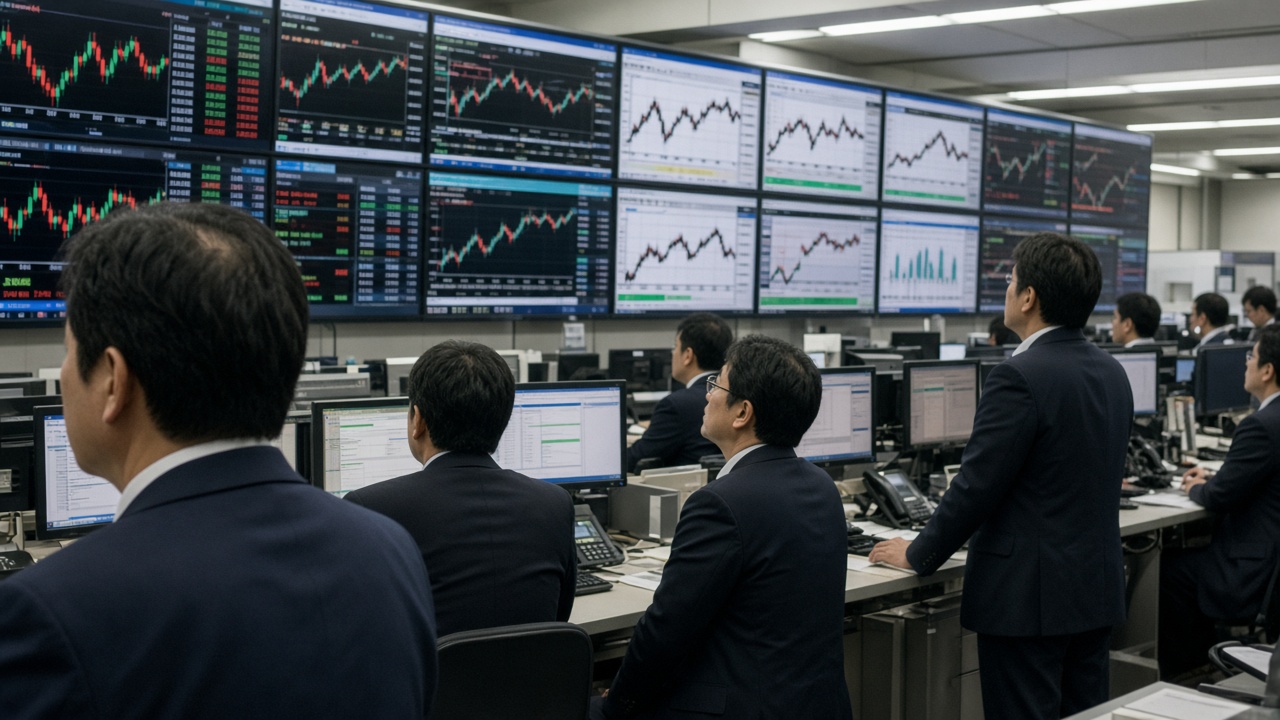
Daiwa Securities raised the standard creation unit size on its flagship Nikkei 225 exchange-traded fund by twenty percent Sunday night, telling market makers to expect heavier cash-market buying before the index’s November rebalancing takes effect at Monday’s open.
Why creation units moved
When passive funds add or drop index members, authorized participants assemble baskets of underlying shares to create or redeem ETF shares. Daiwa’s desk said the wider unit—now 50,000 shares per creation block—reflects higher volatility in semiconductor and trading-house names entering the Nikkei this month.
The change does not alter the ETF’s management fee or tracking error target. It simply gives arbitrage desks more room to hedge without splitting orders across multiple tickers that might hit daily price limits in Tokyo’s afternoon session.
Rebalance math for November
Japan Exchange Group confirmed the periodic review adds two equipment makers and one drug developer while dropping a regional bank and a steel trader whose free float fell below the index rule. Analysts at Nomura Securities estimate passive funds must buy about 780 billion yen of the additions on a pro-forma basis, while selling roughly 520 billion yen of the deletions.
That imbalance often concentrates in the two sessions before the effective date, when ETF issuers finalize basket weights. Daiwa told clients to expect the busiest flow between 9:00 a.m. and 11:30 a.m. Monday, overlapping with foreign investors reacting to U.S. tech earnings released Friday.
Session context after the BOJ hold
The Bank of Japan left its policy rate at 1.25 percent on Wednesday, but fund managers still price further yen weakness into exporter weights. Rebalance buying in chip-tool makers could amplify moves that already punished the Nikkei late last week, traders said.
Daiwa’s ETF team warned that creation spreads—the gap between ETF price and net asset value—might widen if authorized participants struggle to borrow shares of thinly traded additions. The desk will publish intraday indicative values every fifteen minutes on Monday, tighter than the usual half-hour cadence.
Who else is watching
Other issuers, including Nomura Asset Management and Nikko Asset Management, have not changed creation sizes yet but told investors they may issue similar notices if first-hour volume exceeds internal caps. Foreign hedge funds that run index-arbitrage books in Tokyo said they pre-positioned yen funding lines over the weekend to avoid squeezes in overnight swap markets.
Retail investors seldom trade creation units directly, yet they feel rebalance days through wider bid-ask spreads on popular ETFs listed in Osaka and Tokyo. Daiwa recommended limit orders for anyone adding exposure Monday morning.
What to track after the open
Market structure analysts will compare closing prices on the additions versus their last pre-announcement levels to see whether passive demand already leaked into October. They will also watch whether deleted names rebound once forced selling ends— a pattern that appeared in the June review.
For Daiwa, the operational test is whether the larger creation unit reduces failed trades that plagued a smaller basket during the September tech selloff. A clean Monday would support its pitch to pension funds that rely on tight tracking ahead of year-end portfolio rebalancing.
After-hours indicators
Index futures on the Singapore Exchange hinted at a firm open for Nikkei-weighted contracts, but Daiwa warned clients that rebalance day gaps between futures and cash markets can exceed normal arbitrage bands until mid-afternoon.
Pension consultants advising corporate defined-contribution plans suggested spreading employee rebalancing instructions across the week to avoid instructing retail savers to trade at the worst liquidity window.
Foreign flow watch
Overseas ETFs tracking Japan logged their largest weekly inflows since August, suggesting foreign passive money may amplify Monday’s domestic rebalance. Daiwa’s overseas sales desk warned U.S. clients about Tokyo lunch-hour liquidity gaps when New York desks are offline.