Delta Electronics Inc. shares hit the Taiwan Stock Exchange daily downward limit on Friday, closing at NT$1,335 after a wave of foreign selling tied to AI-server supply-chain reassessments, and the move pulled an entire lane of passive-component suppliers lower with it.
Friday’s tape
The TAIEX fell 1,156.5 points to 45,211.83 on turnover of NT$877.7 billion, capping the worst October on record for the benchmark. Delta, one of the heaviest weighted names in the electronics subindex, led decliners among power and thermal management suppliers serving hyperscale data centers.
Traders said the limit-down print forced index trackers and ETF arbitrage desks to sell related names to stay balanced, amplifying moves in companies that do not share Delta’s exact product mix but trade in the same factor bucket.
Why Delta moved
Investors had bid Delta aggressively through the summer on orders for power shelves, fans, and rack power distribution tied to AI infrastructure. Friday’s session reflected profit-taking and questions about whether 2027 capital expenditure plans from U.S. cloud customers might slow after a string of weak mega-cap tech sessions overseas.
Company spokespeople did not comment during trading hours. After the close, Delta reiterated in a routine filing that third-quarter revenue remained within prior guidance and that factory utilization in Thailand and Taiwan stayed high on server power modules.
Peer contagion
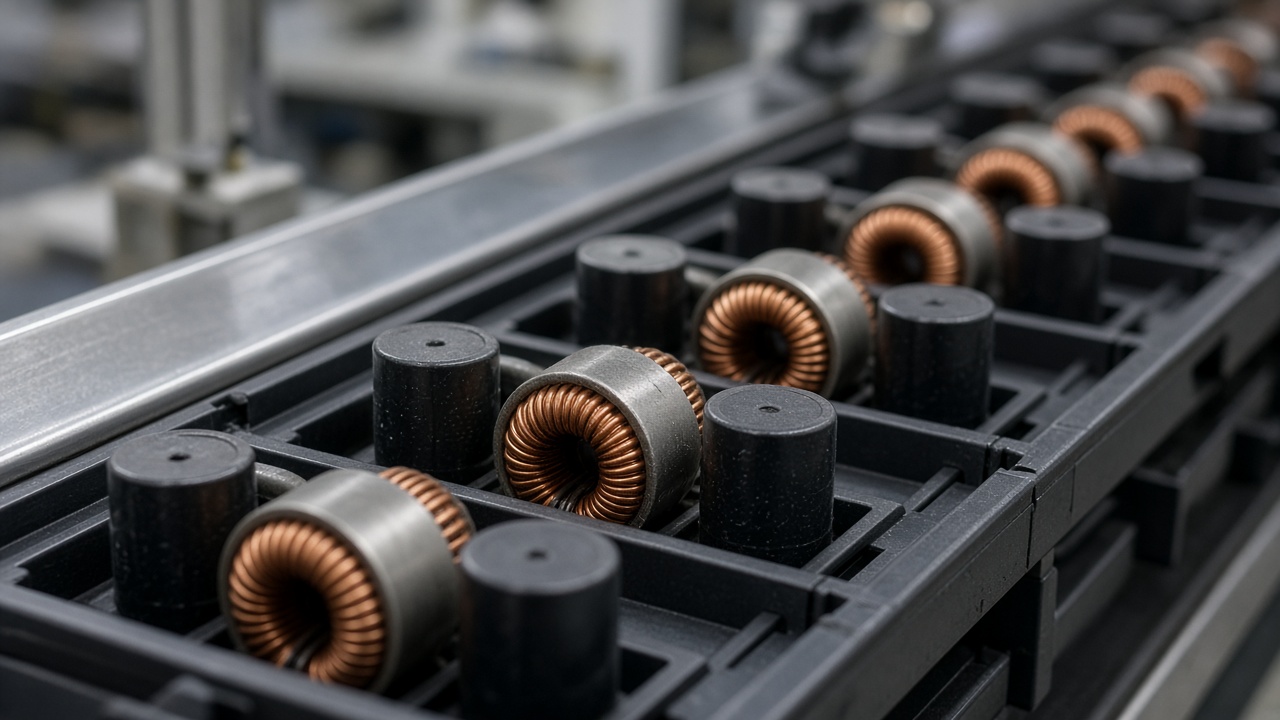
Passive component leader Yageo fell 7.55 percent. Smaller inductor and capacitor makers that had rallied on AI-server specification upgrades gave back gains from earlier in the month. Optical and cable suppliers also retreated even though their order books were less tied to Delta directly.
Sell-side notes from Yuanta Securities highlighted that limit-down events in Taiwan often trigger short-term factor trades rather than fundamental downgrades, especially when foreign investors rebalance at month end. Still, the breadth of decline showed how concentrated the AI hardware trade had become in Taipei portfolios.
Macro overlay
October’s 5.69 percent monthly drop tracked a correction in the Philadelphia Semiconductor Index and renewed talk of higher U.S. Treasury yields ahead of the November election calendar. Dealers said Taiwan futures opened November with a reference gap lower, keeping hedging demand elevated into the first cash session of the new month.
Retail investors on local bulletin boards debated whether Delta’s move signaled a durable rerating of power-supply multiples or a one-day liquidity event. Margin maintenance calls ticked up at several brokerages, according to industry association data cited by Commercial Times.
What’s next
Analysts will watch November revenue disclosures from Delta and peers, along with any commentary from U.S. hyperscalers on rack deployment timelines. A stabilization in foreign selling would be the first sign that Friday’s limit-down was technical rather than a break in the AI power chain narrative.
Until then, passive-component boards remain a proxy for how aggressively Taipei traders still price AI infrastructure—and how quickly they retreat when a bellwether name hits the exchange floor limit.