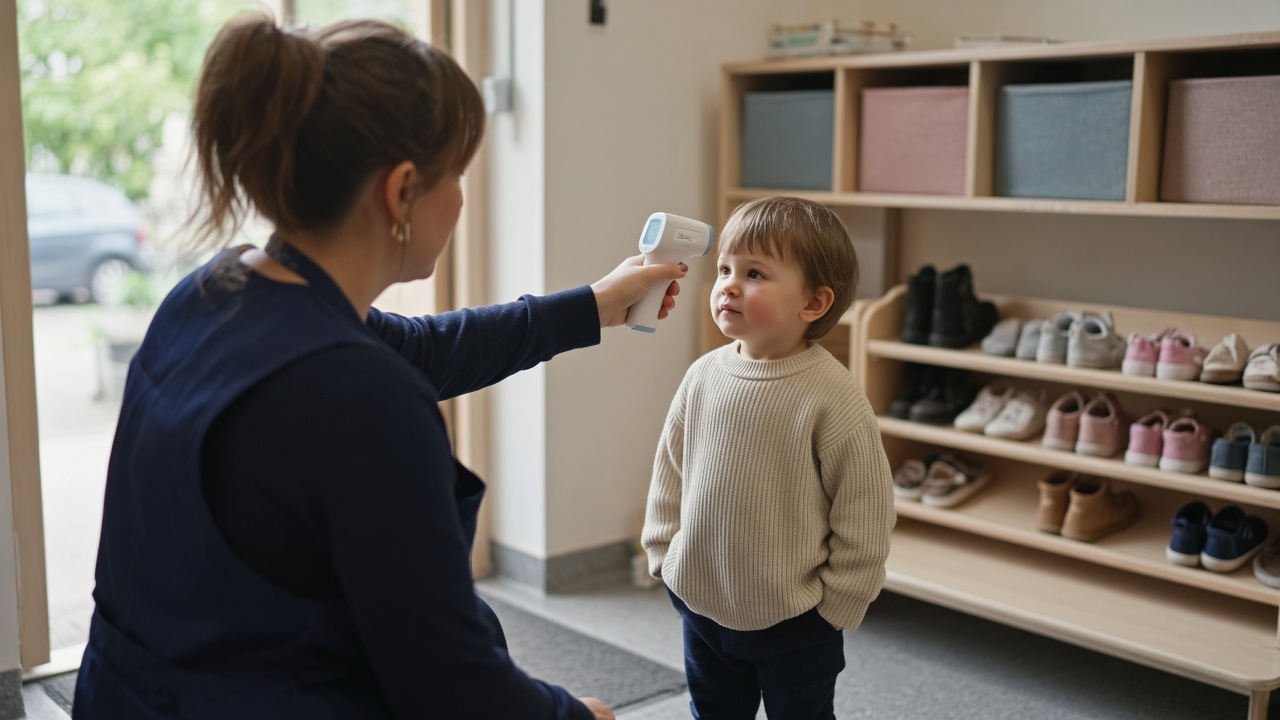
Taiwan’s Centers for Disease Control traced a week-long rise in enterovirus cases to daycare clusters in Taichung and Changhua, reporting higher outpatient visits among children under five as public flu vaccination expands to older adults on Tuesday.
Epidemiology update
Weekly surveillance showed enterovirus positivity near 11 percent among pediatric specimens, up from 8 percent in mid-October. Two Taichung daycares and one Changhua center recorded linked cases of coxsackievirus presenting with oral ulcers and hand-foot rash, prompting temporary class suspensions under local health bureau rules.
No severe complications or deaths were reported in the current cluster. CDC Deputy Director Lo Yi-chun said most children recovered at home with supportive care, but warned that overlapping enterovirus and influenza circulation could strain pediatric ERs in November.
Response measures
Health bureaus dispatched inspectors to review toy sanitization and attendance policies at affected centers. Parents received SMS alerts listing exclusion periods—children must stay home until lesions crust and fever clears for at least 48 hours.
Physicians in Taichung said phone triage lines fielded more calls about rash differentiation between enterovirus and scarlet fever, which requires antibiotic treatment. Clinics stocked rapid strep tests to avoid mislabeling fevers.
Flu season overlap
Public flu shots opened to adults aged 50 and older starting Monday under phase two of the national program. MOHW urged caregivers to complete both flu and COVID-19 vaccinations for eligible family members so wards do not mix respiratory viruses unnecessarily.
Hospital association data from Chi Mei and Taichung Veterans General showed stable pediatric ICU occupancy but rising ER wait times on weekend evenings, a pattern administrators attribute partly to parental anxiety after social media posts about the daycare clusters.
Guidance for schools
Education Ministry reminders on handwashing and ventilation went to private daycare chains statewide. Operators must log daily health checks; inspectors can fine repeat violators under the Communicable Disease Control Act.
CDC published bilingual posters distinguishing enterovirus rash photos from heat rash, aiming to reduce unnecessary ER visits. Pharmacists were told not to dispense antibiotics without diagnoses because enterovirus is viral.
Outlook
Historical curves suggest enterovirus activity may peak by mid-November if weather stays warm and humid. Health officials said monitoring will shift to weekly press notes unless severe cases appear or clusters spread to eastern counties with sparser pediatric capacity.
For parents in central Taiwan, the practical task is mundane: keep sick toddlers home, wash hands after playground time, and schedule flu shots before holiday gatherings—not panic, but punctual hygiene as two respiratory seasons stack.