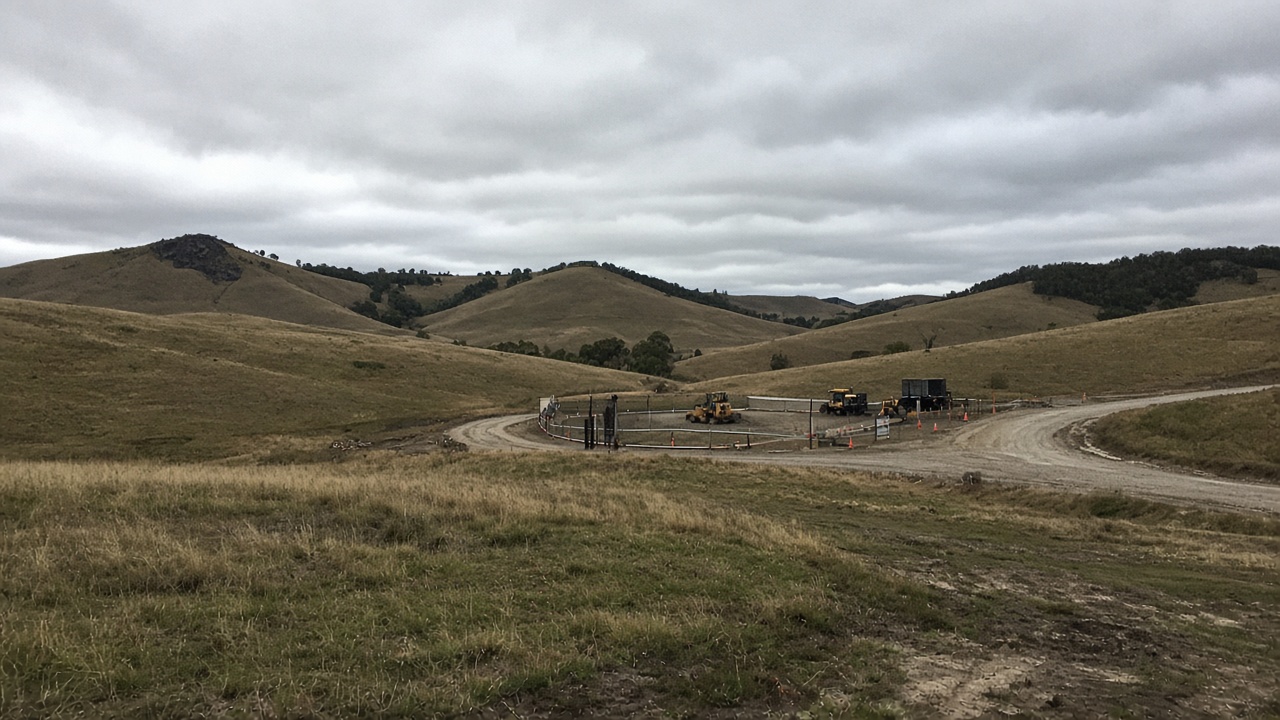
The Albanese government will not appeal a Federal Court decision that overturned an Aboriginal heritage protection order blocking the McPhillamys gold mine in central-west New South Wales, Environment Minister Murray Watt confirmed Sunday.
The billion-dollar project near Blayney was halted in 2024 when then-environment minister Tanya Plibersek used her powers under the Aboriginal and Torres Strait Islander Heritage Protection Act to protect waterways Wiradjuri traditional owners said were tied to Dreaming stories. Regis Resources, the project developer, challenged the order and won in October, a outcome the mining sector hailed as a signal for planning reform.
What the minister decided
Speaking to Sky News, Watt said the government would accept the court’s ruling rather than prolong litigation. He added that ministers were considering how to improve cultural heritage protections without repeating a process traditional owners and industry both criticized as opaque.
“We won’t be appealing that decision,” Watt said, while stressing that Aboriginal heritage remained a national priority. He did not set a timeline for legislative changes, but the statement removes the last federal barrier Regis cited when it urged investors to treat the October judgment as clearance to advance earthworks.
Why the site matters
McPhillamys would be one of Australia’s larger open-cut gold operations if built, with Regis pitching hundreds of jobs and royalty flows to a region that has mined for generations. Traditional owners and environmental groups argued that headwaters feeding the Belubula River and culturally significant springs should not be disturbed by a tailings dam footprint the company revised several times during the approval fight.
Plibersek’s emergency order was rare: federal ministers have invoked the heritage act only a handful of times in recent decades. The court’s finding that procedural and evidentiary standards were not met emboldened state mining lobbies, which have pressed New South Wales to streamline concurrent state and federal assessments.
What happens on the ground
Regis shares rose after the October judgment, and industry groups said Sunday’s confirmation that Canberra would stand down reduces regulatory uncertainty. Traditional owner representatives told regional media they would consult lawyers about remaining state approvals and monitoring conditions rather than expecting a fresh federal intervention.
Prime Minister Anthony Albanese is in the Caribbean for the Commonwealth Heads of Government Meeting, where heritage and reparations discussions overlap with domestic debates about how Australia balances extraction and Indigenous rights. For McPhillamys, the immediate question is whether Regis restarts detailed design work while Watt’s department drafts any new heritage framework.