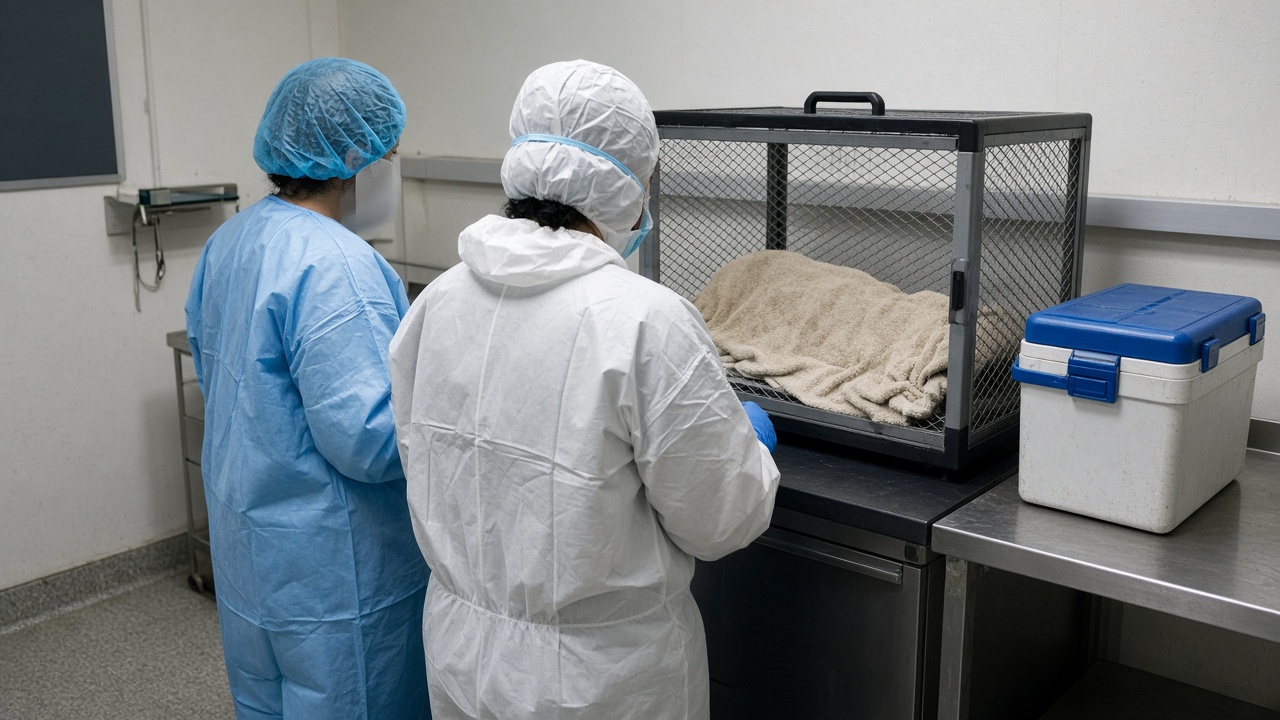
Tasmania’s southern public health unit dispatched post-exposure lyssavirus vaccine courses to three bat rehabilitation centres after a volunteer reported a scratch while handling a flying fox that later tested positive for Australian bat lyssavirus.
The exposure occurred Thursday at a Hobart wildlife clinic. The volunteer completed the first immunoglobulin dose within hours and began the scheduled vaccine course Friday, officials said Sunday. Clinicians classified the scratch as category three exposure because skin was broken and bat saliva may have entered the wound.
Why extra vials went out
Two other centres in the state network asked for standby doses after reviewing incident logs and finding additional volunteers who had handled the same colony without full protective gear. Public health shipped cooled vials by courier rather than asking staff to attend emergency departments during a long weekend. Standby courses let centres start prophylaxis immediately if a second volunteer developed symptoms without waiting for hospital triage queues.
Australian bat lyssavirus is rare but almost always fatal once clinical rabies symptoms appear. National guidelines recommend immediate wound care and post-exposure prophylaxis whenever a bat bite or scratch breaks skin. Tasmania follows the same protocol mainland states use, with rabies immunoglobulin sourced through national stockpiles.
The Hobart clinic’s incident review found a torn glove in a kit shared between shifts; centres statewide were told to inspect PPE seals before each intake and to log glove batch numbers alongside animal IDs.
Public risk remains low
Health officials said there was no community exposure at schools or campsites linked to the case. Flying foxes roosting in urban parks were not culled; instead, signage went up near the roost urging people not to touch injured bats and to call wildlife rescuers. Rangers reported increased calls from residents who spotted grounded bats, which officials said is preferable to untrained handling.
Veterinarians reminded cat owners to keep pets indoors at dawn and dusk when bats feed, because lyssavirus can pass through pet intermediaries even though human cases remain extremely uncommon. No pet exposures were reported in this incident, but clinics repeated booster guidance for unvaccinated animals that hunt wildlife.
Public health kept the case count at one confirmed human exposure pathway Sunday night, with other volunteers monitored rather than treated unless new symptoms appear.
What volunteers should do
Rehabilitation groups must log every exposure, refresh PPE stocks, and ensure tetanus and lyssavirus courses stay current. The Hobart clinic paused intake for forty-eight hours while staff completed antibody checks and replaced damaged capture nets.
Training modules updated this weekend emphasise double-gloving and face shields when examining mouth injuries on bats, the scenario most linked to scratches. Volunteers returning after the pause must complete a refresher before handling flying foxes again, even if their prior certification has not expired.