Japan’s Meteorological Agency said a magnitude 6.1 earthquake struck at 7:15 a.m. Sunday southeast of Mie Prefecture at an estimated depth of about 350 kilometers, producing a shindo 3 reading in Fukushima Prefecture while many areas near the epicenter recorded only shindo 1 or no significant shaking, and the agency said there was no tsunami risk.
Epicenter and intensity map
The agency placed the hypocenter at latitude 33.7 degrees north and longitude 137.1 degrees east, offshore southeast of Mie, according to prefectural disaster portal bousaimie.jp and NHK. Mie’s own bulletin listed the same magnitude and depth. Weather News reported that Tokyo’s Chiyoda Ward and parts of Kanagawa registered shindo 2, while Osaka and Wakayama saw shindo 1 even though they sit closer to the epicenter than Tohoku.
That skewed pattern is what seismologists call an “abnormal seismic zone,” Weather News explained: energy from a deep-focus event travels along the subducting Pacific Plate toward the Japan Trench side, amplifying motion hundreds of kilometers from the source rather than in concentric rings around it.
Why officials are not treating it as a Nankai warning
Weather News and JMA-linked reporting said the quake likely occurred inside the deeply subducted Pacific Plate and is not treated as a direct indicator of a Nankai Trough megathrust rupture on the Philippine Sea Plate boundary. Deep events of this class occur off southeast Mie every few years; a magnitude 7.0 quake in the same region on 1 January 1984 produced shindo 4 in central Tokyo.
Deep quakes generally carry low tsunami potential and fewer aftershocks than shallow crustal events, specialists noted, but they can still rattle distant cities and remind coastal residents that shaking intensity does not always correlate with map distance.
Immediate response
There were no immediate reports of major damage or injuries from prefectural governments contacted in the first hour after the event. Nuclear regulators routinely scan plant status after nationwide shaking; no public scram was announced in the opening bulletins reviewed by broadcasters.
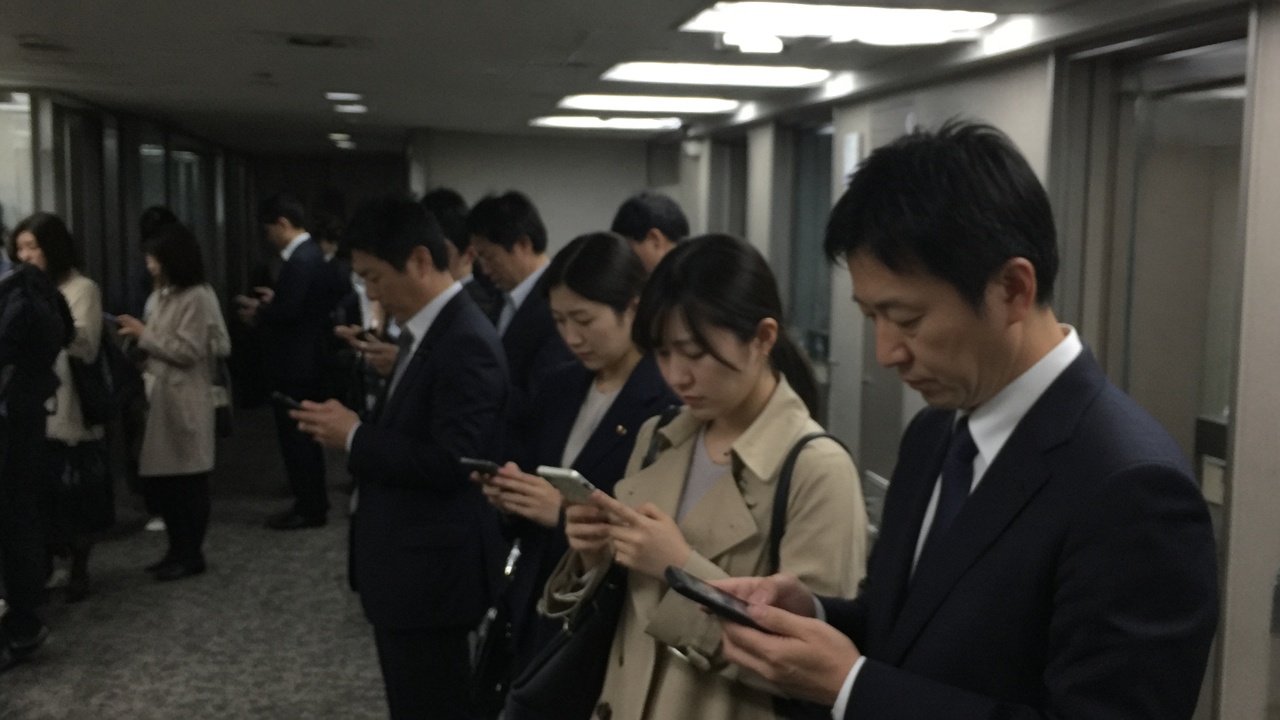
Rail operators in the Tokai and Kanto regions reported brief speed checks on some lines as a precaution, a standard step after shindo 3 readings in Tohoku. Commuters in Tokyo posted on social media about a long, rolling motion shortly after 7:15 a.m., consistent with deep-source waves.
What to watch
JMA will update its online event page as analysts refine depth and magnitude estimates. Disaster officials asked households to confirm quake kits and battery backups without linking this specific tremor to an imminent tsunami or volcanic alert. Further strong deep events in the same band would prompt renewed discussion of abnormal zones in school drills, but Sunday’s event alone did not trigger a special advisory beyond the initial intensity report.