Larsen & Toubro shares gained in the final October sessions as traders treated a cluster of National Highways Authority of India hybrid-annuity awards as incremental fuel for the company’s domestic infrastructure order book.
Awards behind the move
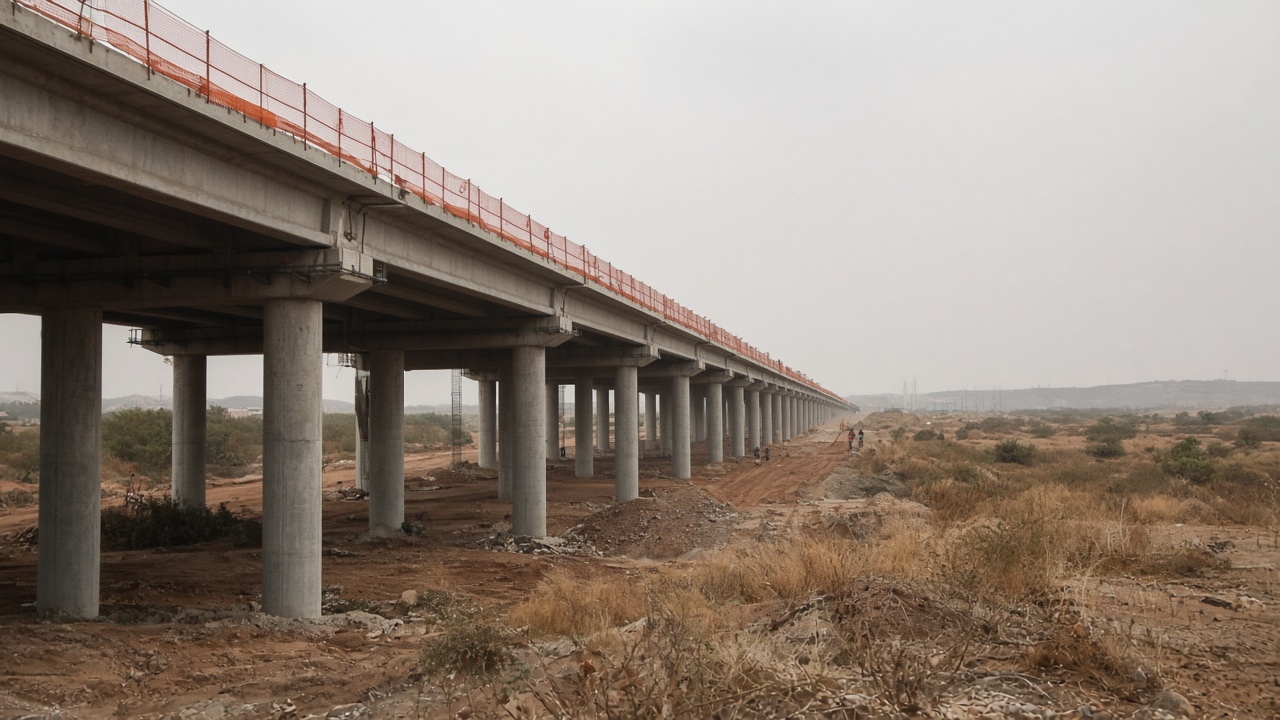
NHAI disclosed three new hybrid-annuity packages in late October covering elevated corridors in Rajasthan and Madhya Pradesh, with combined project costs estimated above ₹8,400 crore in authority filings. L&T emerged as the lowest bidder on two packages and as part of a joint venture on the third, according to bid summaries posted on the authority portal. Investors read the wins as confirmation that the company is still competitive on large road jobs after a year of aggressive bidding by rival engineering firms.
The stock reaction was modest in percentage terms but meaningful in sentiment. Foreign portfolio investors had trimmed capital-goods exposure earlier in the month on global growth worries; the NHAI wins helped counter narrative that Indian EPC names would see slower award momentum after the general election cycle.
Hybrid-annuity mechanics
Under hybrid-annuity models, NHAI contributes a portion of construction cost upfront while the developer recovers the balance through toll or annuity payments over the concession period. For L&T, these structures reduce pure toll-traffic risk compared with build-operate-transfer highways, while still feeding the heavy civil division’s revenue visibility.
Management told analysts on the September earnings call that it would remain selective on bids where return thresholds slip below internal hurdles. The October wins suggest those hurdles were met on at least two standalone packages, though margin details will arrive only when letters of acceptance convert to booked orders.
Peer context
IRB Infrastructure and Adani Road Transport also contested the same bundles. Adani’s absence from the lowest-bid list on one Rajasthan package drew attention in brokerage chat rooms, but sector analysts cautioned against reading a single outcome as a shift in competitive dynamics. NHAI’s pipeline for the December quarter still lists more than a dozen packages in bidding stages across the Golden Quadrilateral gaps.
Stock setup into November
L&T closed higher on the last trading day of October, outperforming the Nifty Industrials sub-index. Options data showed rising open interest in near-month calls, a sign that some traders are positioning for order-book updates in the November investor presentation. Debt investors focused on working-capital needs; hybrid-annuity awards typically front-load material purchases, which can widen short-term borrowings before milestone payments arrive.
Macro headwinds remain. Higher global crude prices feed into bitumen costs, and state-level land-acquisition delays can push completion timelines. Still, for shareholders seeking domestic infra exposure without pure toll-traffic bets, L&T’s NHAI-linked backlog remains the clearest near-term catalyst on the engineering side of the conglomerate.
Execution risks
Monsoon runoff damaged temporary haul roads on one Madhya Pradesh package last season; L&T’s bid included revised drainage plans reviewed by NHAI consultants. Cement and steel input costs remain volatile, but index-linked escalation clauses in hybrid-annuity contracts pass part of the burden to the authority.
Equity research notes from two domestic brokerages raised order-book growth assumptions by low single-digit percentages for FY26, pending formal announcement in investor materials.
Mutual funds holding infrastructure debt benefited from the award news through modest markups on NHAI-linked papers, though fund managers cautioned that construction cash flows arrive over quarters rather than weeks.
Market participants and local officials will update guidance as more data arrives through the week; check primary sources linked above before acting on single figures quoted in early reports.
Executives briefing investors said the next disclosure window will clarify whether the trends described here persist into the December quarter. Households and traders should separate one-off festival effects from structural shifts in pricing, coverage or capacity. State regulators have not announced additional rule changes beyond what is cited in primary documents, though consultation drafts sometimes circulate informally in trade groups before public release.
Executives briefing investors said the next disclosure window will clarify whether the trends described here persist into the December quarter. Households and traders should separate one-off festival effects from structural shifts in pricing, coverage or capacity. State regulators have not announced additional rule changes beyond what is cited in primary documents, though consultation drafts sometimes circulate informally in trade groups before public release.