A magnitude 5.6 earthquake shook northern Taiwan on Sunday afternoon after originating in the Pacific east of the island, the Central Weather Administration said, prompting a one-week advisory for aftershocks that could reach a similar size.
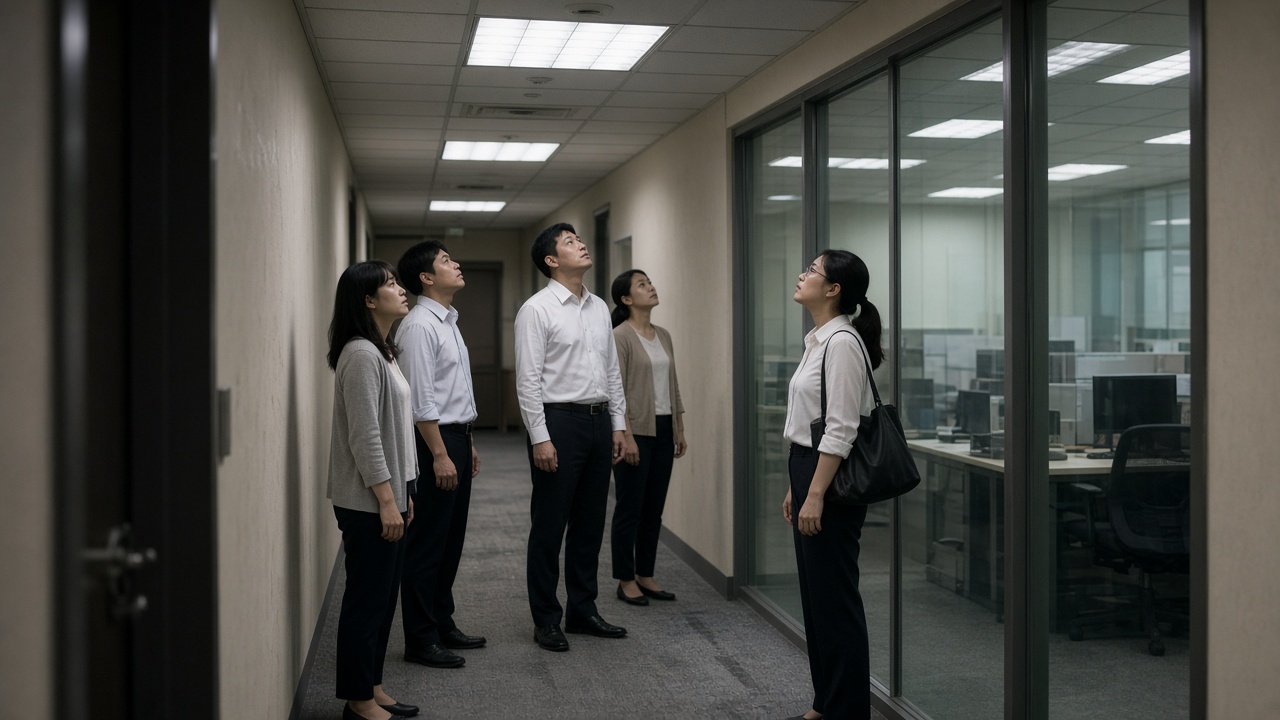
The agency said the epicenter lay in Taiwan’s eastern waters and produced a maximum intensity of 3 on Taiwan’s seven-step scale, enough to sway high-rise buildings in Taipei and New Taipei but below the threshold that typically triggers widespread damage reports. Social media filled quickly with clips of hanging lamps swinging in offices and MRT passengers pausing on platforms as trains slowed for inspection.
Agency treats it as a standalone event
Weather officials told reporters the quake should be treated as an independent event rather than an aftershock of earlier seismic activity near Hualien, though they cautioned that the region’s plate boundaries make follow-on shocks common. For the next seven days, the administration said, the public should stay alert for temblors around magnitude 5 or stronger and review household emergency kits, especially in eastern counties where shaking tends to feel sharper.
No tsunami warning was issued. Local television showed MRT staff walking platforms to inspect tracks while passengers waited on crowded trains out of Taipei Main Station.
Infrastructure checks overnight
Rail and road agencies said they would inspect eastern corridors overnight, a standard step after any offshore event strong enough to sway capital high-rises. Eastern county governments asked residents to report cracked walls or toppled furniture so engineers could prioritize structural visits.
Fire departments in Yilan and Hualien reported a spike in welfare checks on elderly residents but no serious injuries in initial calls by early evening.
What residents should watch
Weather officials said the public should treat the quake as its own episode while remaining alert for magnitude-5-class aftershocks over the next seven days. Hikers and coastal towns were reminded to stay off unstable trails until daylight inspections finished.
For Taiwan’s emergency planners, Sunday’s event was a mid-scale drill in real time: phones buzzed with cell-broadcast alerts, and the public largely followed shelter-in-place guidance. Convenience stores in Taipei reported a familiar uptick in bottled-water sales after any widely felt shake, even when damage reports stay minimal.
The next test will be whether the one-week aftershock window passes without a stronger jolt that would stress aging apartment blocks in older Taipei neighborhoods. Eastern county officials said they would publish inspection results Monday morning before schools confirm attendance.