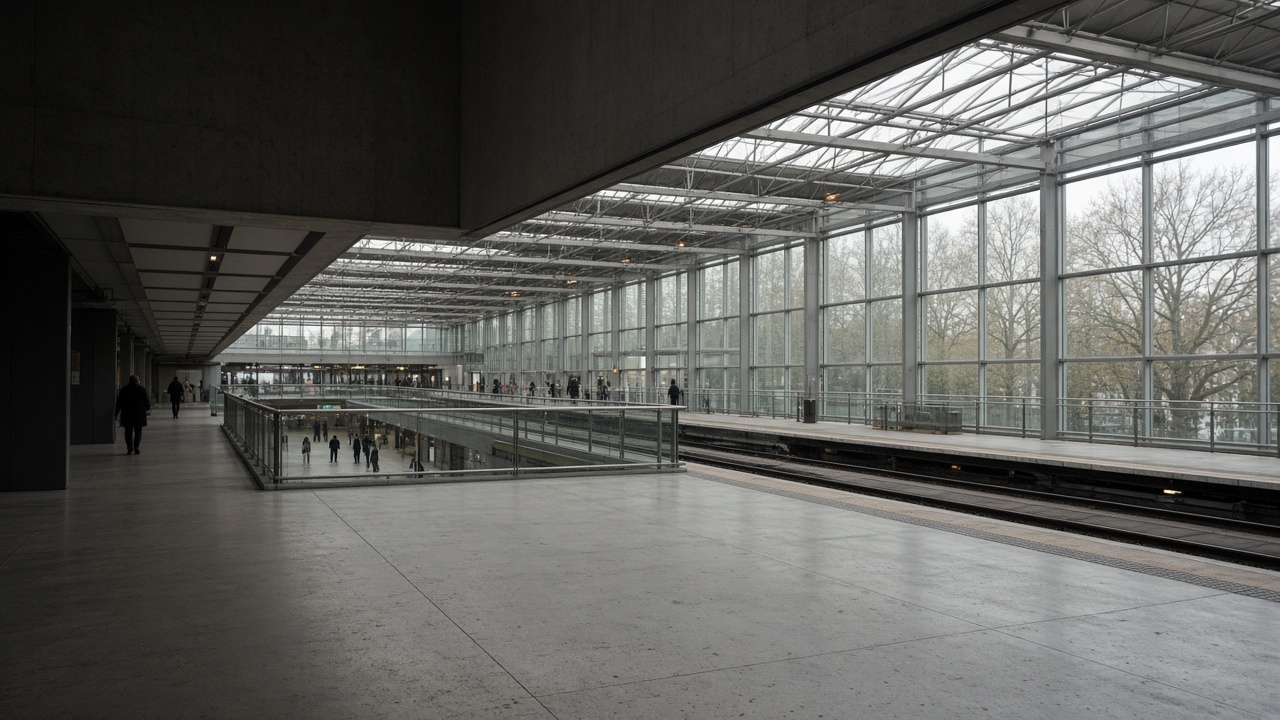
Lord Sadiq Khan said John Healey’s first Budget gave London the fiscal headroom to pursue cross-channel trains at Stratford International and two rail schemes that have sat in planning folders for more than a decade, after the Chancellor devolved slices of business rates and future income tax receipts to mayoral combined authorities.
The Mayor’s statement on Wednesday evening framed the fiscal statement as the largest devolution settlement London has seen in a generation, pairing immediate backing for international services at Stratford with longer-run borrowing capacity City Hall estimates at roughly £10 billion once new tax streams flow.
What changed in the fiscal statement
Healey told the Commons that regional leaders would retain a growing share of business rates, with a fifth of the levy passing to mayors from 2026 and full local retention by 2030. From 2028, a portion of income tax raised in each mayoral area will also stay with combined authorities rather than returning entirely to the Treasury.
For transport, the Chancellor highlighted two London schemes by name: extending the Bakerloo line from Elephant and Castle to Lewisham, with new stops at Burgess Park and Old Kent Road, and the West London Orbital, which would link Hendon and Hounslow using freight alignments. He also backed Khan’s push to route cross-channel rail services through Stratford International, a station that currently handles domestic and high-speed domestic traffic but not Eurostar-style international departures.
Separately, Healey signalled support for a tax increment financing package to help fund a rebuilt Euston station, a project tied to HS2’s London terminus and adjacent housing plans. Khan linked that corridor to the “Euston knowledge quarter” regeneration narrative City Hall has promoted with borough partners.
Why Stratford matters to the Mayor
Strategic planners have long argued that Stratford’s Olympic-era infrastructure is underused for international rail. Adding cross-channel services would give east London a second international gateway besides St Pancras, potentially shortening journeys for residents in boroughs along the Lea Valley and Essex corridors.
Khan said making the station “truly international” would support jobs, tourism and inward investment in a part of the capital that still carries higher unemployment than the London average. Treasury officials did not publish a service timetable in the Budget documents; Eurostar and domestic operators would need separate commercial and safety approvals before any new pattern could run.
Borrowing and delivery risk
The £10 billion borrowing figure cited by City Hall is an estimate of additional headroom from devolved taxes, not a single cheque in the Red Book. London still faces construction inflation, utility diversions and the political hurdle of securing planning consent for surface works in dense neighbourhoods.
The Bakerloo extension in particular has cycled through feasibility studies since the 2000s. TfL’s business case assumes passenger growth in south-east London and relief for overcrowded buses, but tunnelling costs have risen since the last published estimate. The West London Orbital depends on agreements with freight operators and Network Rail over pathing on shared tracks.
Opposition politicians warned that higher local borrowing without matched operating subsidies could shift risk onto fare payers. Khan countered that front-loaded capital spending would reduce long-run bus mileage and support housing delivery on brownfield sites along new corridors.
What happens next
City Hall officials expect a 2026 spending review to translate the devolution principles into multi-year envelopes for TfL and borough housing programmes. Transport for London will need updated consent orders for the Bakerloo route, while Stratford international services would require cross-government work with border agencies and the rail industry.
For businesses, the immediate Budget takeaway is political certainty: the Mayor now has Treasury backing to treat Stratford, Bakerloo and West London Orbital as funded policy rather than aspirational maps. Delivery timelines remain uncertain, but the fiscal statement removed one of the longstanding obstacles—who pays when local tax stays local.
Industry groups representing contractors on the Bakerloo corridor said they would seek early engagement with TfL procurement once spending envelopes are confirmed, warning that inflation in tunnelling materials still outpaces general construction indices.