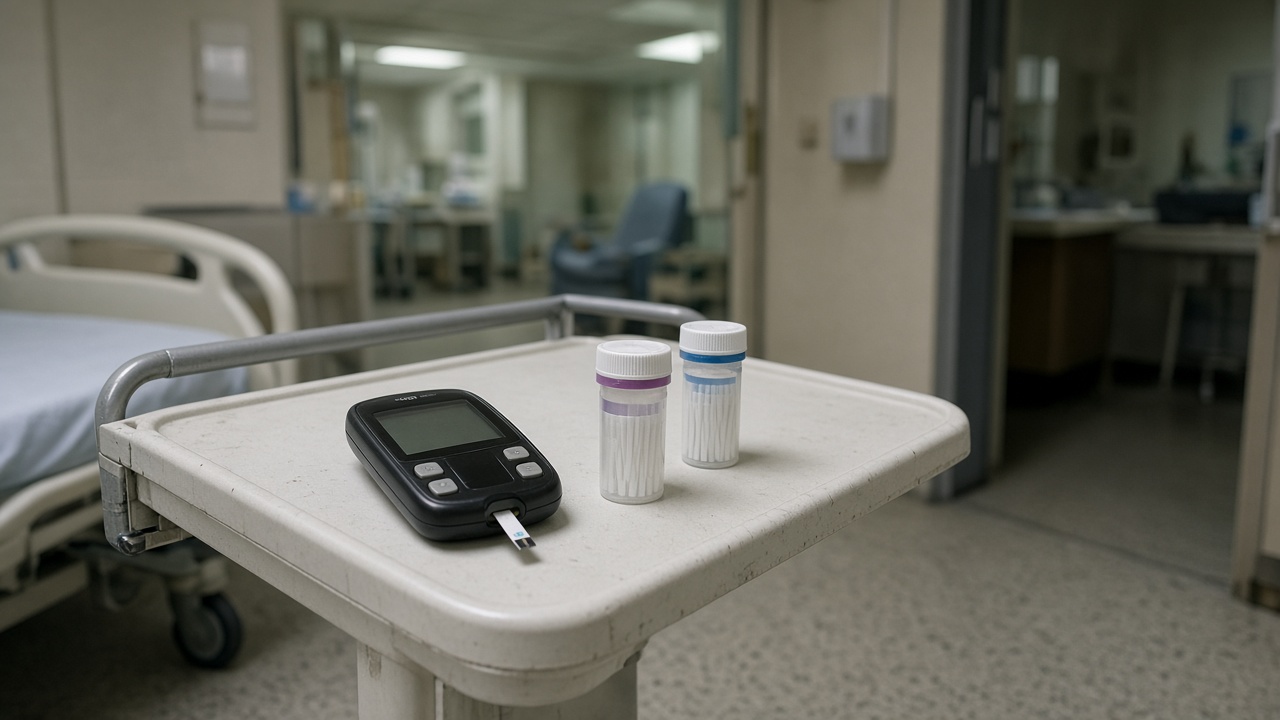
Hospital labs that rely on Nova Biomedical’s StatStrip glucose systems need to read the October 30 FDA posting before Monday inpatient rounds, because the agency classified the vendor’s letter as a confirmed correction — not a casual software note — for meters used at the bedside and in critical care bays.
The FDA’s rolling recall table lists the action under hospital glucose meters with a confirmed recall status dated October 30, 2026. Nova’s field correction updates use instructions for StatStrip Glucose Hospital Meter Systems rather than pulling every unit from clinics outright, which means compliance lives in procedure binders and point-of-care training sessions this weekend.
Who is affected
StatStrip devices sit in emergency departments, labor and delivery units, and pediatric floors where finger-stick glucose must match lab references quickly. Patients are rarely buying these meters at retail; the audience is nurses, point-of-care coordinators, and biomedical engineers who validate meter performance against central lab analyzers.
If your facility standardized on StatStrip during the last capital cycle, check whether your inventory serial numbers fall under the corrected instruction set. Biomedical shops should log the FDA entry number in their corrective action system and attach Nova’s customer letter before auditors ask.
What to do before Monday shifts
Point-of-care teams should confirm that nursing staff received the revised testing steps, including any changes to quality-control frequency or alternate strip lots. Do not substitute consumer glucose meters for inpatient protocols unless your hospital policy explicitly allows it — variance between devices is how hypoglycemia orders get missed.
Outpatients with home meters are not the focus of this correction, but if you were discharged recently and borrowed hospital strips, discard them and use the device your endocrinologist prescribed.
Broader device week
October’s FDA device log also carried early alerts on dialysis bloodlines, infusion convenience kits, and imaging systems. StatStrip is the headline for inpatient glucose because meters touch insulin dosing decisions multiple times per shift.
Report adverse events through the FDA MedWatch portal if a StatStrip reading disagreed with the central lab and affected care. The correction is about instructions today; your documentation protects the next patient if something still looks off after retraining.
Hospital compliance officers should cross-check the correction against Joint Commission medication management standards if your survey window opens this quarter. A missed point-of-care update is an easy finding when surveyors trace insulin protocols.
Family members asking whether home glucometers are affected should call the hospital where care occurred rather than guessing from headlines — consumer devices use different validation paths than StatStrip units on crash carts.
Connecting device corrections to staffing
Nursing shortages mean point-of-care coordinators cannot always retrain every shift before Monday; hospitals should post laminated quick-reference cards at nurses’ stations with the corrected StatStrip steps and lot numbers while e-learning modules catch up.
Electronic medical record vendors sometimes embed default glucose workflows that assume older strip lots. Biomedical informatics teams should verify whether order sets auto-populate values from StatStrip interfaces that now require different quality-control intervals.
Patients with diabetes who were hospitalized this month should ask at discharge whether their inpatient readings came from affected meters; primary care doctors may want a repeat lab draw if a single bedside value drove insulin changes.
None of the steps above replace a documented incident response plan; they buy time while executives decide whether to notify customers under state breach rules.
Schedule a fifteen-minute huddle with whoever owns your security awareness program so Monday’s shift change includes this item on the printed run sheet, not only in email.