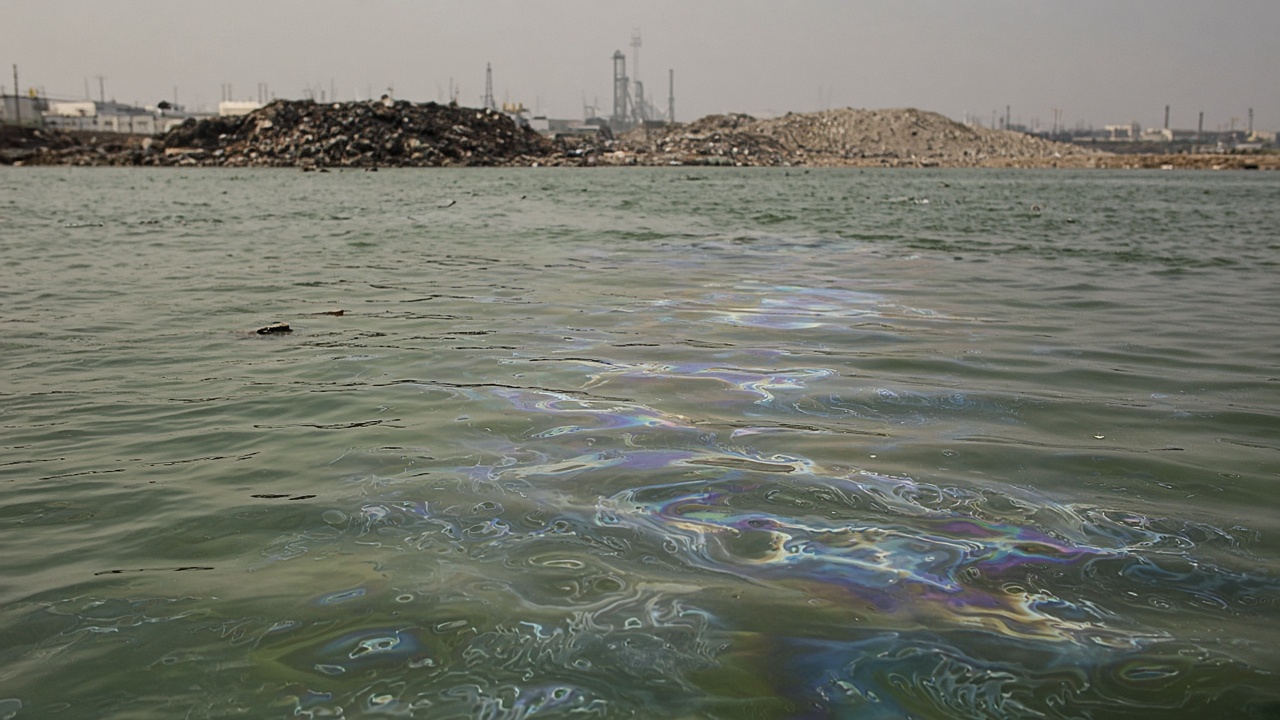
Several oil patches appeared in Singapore’s southern waters off Pulau Sebarok, Pulau Semakau and Selat Pauh on Sunday, prompting the Maritime and Port Authority to activate spill-response contractors and direct nearby terminals to deploy their own resources, the agency said in a statement. Aerial surveillance later in the day found no slicks near West Coast, Sentosa, the Southern Islands or East Coast, but MPA said it was still investigating where the oil came from and would continue surveillance with other agencies.
What NEA and MPA measured
MPA said it was alerted at about 10:25 a.m. to oil in the waters off Pulau Sebarok, a fuel-storage and transfer hub south of the mainland. Follow-up flights confirmed multiple patches stretching toward Pulau Semakau — home to Singapore’s only offshore landfill, roughly eight kilometers south of the city — and the Selat Pauh channel nearby. The authority stressed that navigational traffic and port operations were not affected and asked ships in port to report any new sightings.
Relevant land agencies were notified to prepare shoreline protection if conditions changed, a precaution that carries extra weight after the June 2024 spill when a dredger struck a bunker vessel at Pasir Panjang Terminal, releasing about 400 tonnes of low-sulphur fuel that later reached Sentosa, East Coast Park and other coasts. Sunday’s incident, by MPA’s account, remained offshore in the first hours of the response, with contractors and terminal teams focused on mitigation and cleanup rather than public beach closures.
Who is exposed
Fishermen and ferry operators who use the southern islands route watch slicks closely because even small patches can foul nets and hulls before they reach popular recreation beaches. Pulau Semakau’s landfill operations depend on barges transiting the same channels; NEA and MPA routinely coordinate when pollution threatens the island’s sea walls or transfer stations, though neither agency reported landfill disruption on Sunday.
Terminal operators along the Jurong Island and southwestern storage belt maintain contracted spill gear under MPA rules; activating those teams on a Sunday signals the authority wanted local capacity on scene while investigators traced whether the oil originated from a transfer mishap, a passing tanker or another source. MPA did not name a vessel or facility in its initial release.
What happens next
MPA said cleanup and source tracing would run in parallel, with aerial checks continuing until patches dissipate or are recovered. If oil moves toward the mainland, NEA would typically lead shoreline assessments and public advisories; as of the afternoon statement, those triggers had not been pulled.
For residents, the immediate read is environmental rather than operational: moderate haze from regional fires has dominated recent air-quality headlines, but this event is a separate marine risk in waters that feed both industry and leisure. The next measurable checkpoint will be whether surveillance finds fresh slicks overnight and whether MPA identifies a responsible party — the step that determines fines, recovery costs and any tightening of transfer procedures in the same southern belt that still bears cleanup scars from 2024.