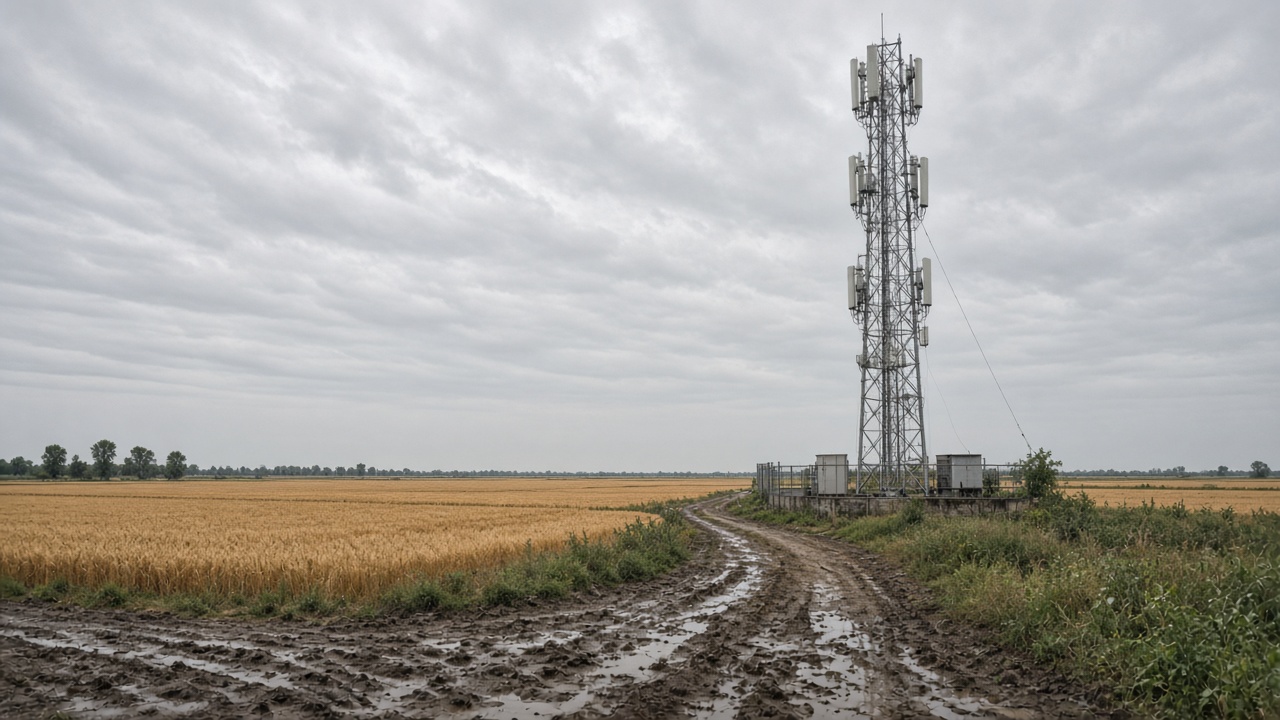
Vodafone Idea signed a master agreement with Indus Towers to share about 900 macro radio sites across Punjab, a step the debt-laden carrier said will accelerate 4G densification without fresh capital expenditure on new towers.
Deal structure
Under the pact, Vodafone Idea will colocate antennas on existing Indus macro towers in Ludhiana, Amritsar, Jalandhar and rural highway corridors. Indus will handle power and fiber backhaul on a per-site lease, while Vodafone Idea commits to minimum tenancy periods aligned with its Punjab circle business plan through FY27. The companies did not disclose per-site rentals, but tower-industry executives said Punjab averages have stabilized after a wave of tenancy additions in 2024.
The agreement is incremental to existing Indus tenancies; it consolidates negotiations that had been running circle-by-circle since Vodafone Idea’s last equity raise cleared regulatory approvals.
Network urgency
Vodafone Idea lost share in several northern circles after rivals expanded 5G footprints, even though 5G is not the immediate focus of this deal. Punjab remains a high-voice, growing-data market with seasonal traffic spikes during harvest sales and diaspora calling periods. Improved 4G capacity supports the tariff increases Vodafone Idea telegraphed for post-paid plans starting November, without forcing customers onto unsupported legacy bands.
900 macro sitesField teams must still upgrade transport links on a subset of towers where microwave backhaul nears capacity. Indus said it will prioritize sites along the Delhi–Amritsar corridor where congestion complaints spiked in TRAI drive-test summaries published in September.
Tower company read-through
For Indus Towers, added tenancies from Vodafone Idea offset churn from other operators that consolidated sites after mergers. Indus shares have traded range-bound this year as investors weigh tenancy-ratio guidance against energy-cost inflation on rural sites. Punjab’s grid reliability improves in winter months, which temporarily lowers diesel-generator costs on tower sites.
Competitive backdrop
Bharti Airtel and Reliance Jio already maintain dense Punjab grids; Vodafone Idea’s challenge is closing the perceived quality gap without matching rivals’ capex headroom. Sharing rather than building is the only viable path while the company services adjusted gross debt still measured in tens of thousands of crore rupees.
Regulators are unlikely to intervene; TRAI treats tower sharing as pro-competitive infrastructure reuse. Consumer groups will watch whether improved coverage translates into fewer dropped calls in district headquarters, a metric Vodafone Idea highlighted in its last circle-level quality report.
Energy costs
Indus passes through power tariffs on rural macros where grid connections remain unreliable; Vodafone Idea’s circle chief said diesel-generator hours fell nine percent year-on-year after fiber backhaul upgrades on highway corridors.
Enterprise customers in Ludhiana textile parks flagged voice quality during harvest season congestion; the new tenancies target those industrial belts with additional 4G carriers rather than marketing-only coverage maps.
Handset makers launching dual-SIM festival bundles in Punjab circles said network quality surveys still rank Vodafone Idea third, making coverage investments as important as tariff messaging for retention.
Market participants and local officials will update guidance as more data arrives through the week; check primary sources linked above before acting on single figures quoted in early reports.
Executives briefing investors said the next disclosure window will clarify whether the trends described here persist into the December quarter. Households and traders should separate one-off festival effects from structural shifts in pricing, coverage or capacity. State regulators have not announced additional rule changes beyond what is cited in primary documents, though consultation drafts sometimes circulate informally in trade groups before public release.
Executives briefing investors said the next disclosure window will clarify whether the trends described here persist into the December quarter. Households and traders should separate one-off festival effects from structural shifts in pricing, coverage or capacity. State regulators have not announced additional rule changes beyond what is cited in primary documents, though consultation drafts sometimes circulate informally in trade groups before public release.
Executives briefing investors said the next disclosure window will clarify whether the trends described here persist into the December quarter. Households and traders should separate one-off festival effects from structural shifts in pricing, coverage or capacity. State regulators have not announced additional rule changes beyond what is cited in primary documents, though consultation drafts sometimes circulate informally in trade groups before public release.