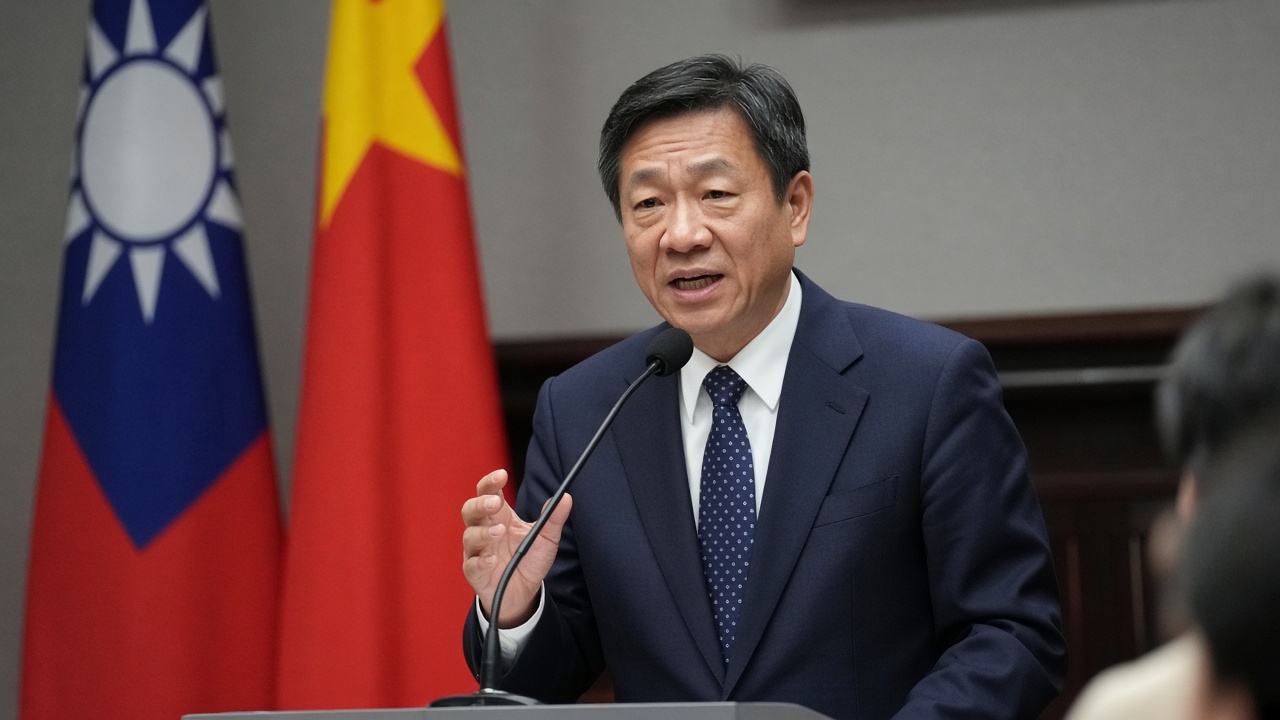
Taiwan’s foreign minister said Monday that Beijing sent this year’s Asia-Pacific Economic Cooperation summit invitation by email instead of through an envoy, triggering an immediate protest from Taipei as leaders prepare for the Nov. 18–19 meeting in Shenzhen.
Lin Chia-lung told reporters in Taipei that the Ministry of Foreign Affairs is the APEC contact point and that China’s choice to skip an in-person delivery broke the customs Taiwan expects when it hosts or attends leaders’ weeks. He said Taiwan would not surrender its seat because of what he described as repeated “differential treatment” during China’s year as host economy.
What arrived, and what did not
Early Monday, the Liberty Times cited unnamed officials saying China had sent a letter that omitted Taiwan’s formal APEC name, “Chinese Taipei.” Lin, speaking later at an agricultural youth program, confirmed Taiwan received an emailed invitation in recent days and said the message used the Chinese Taipei designation even as the delivery method fell short of precedent.
Focus Taiwan reported that Lin stressed Taiwan remains a full APEC member that has joined past leaders’ meetings on equal footing. He pointed to China’s 2026 bid promises to respect forum rules and keep every delegation safe, then argued Beijing’s handling of Taiwan-side meetings this year already diverged from those commitments.
Stakes for the Shenzhen summit
China last hosted APEC in 2014, when former Vice President Vincent Siew represented Taiwan in Beijing. This cycle’s theme—“Building an Asia-Pacific Community, Prospering Together”—lands amid tighter cross-strait rhetoric and U.S. attention on supply chains that run through Taiwan’s chip foundries.
Lin said APEC decisions require consensus, meaning Taiwan can block or shape host initiatives if it believes the forum’s norms are being bent. He added that Taipei keeps coordinating with other economies and that partners have signaled support when China narrows Taiwan’s space.
Presidential Office officials have already picked Taiwan’s representative for Shenzhen, according to ICRT, and plan a public announcement soon. Lin did not name the envoy Monday, focusing instead on the invitation fight that sets the tone before planes land in Guangdong.
Protest without a boycott
Central News Agency quoted Lin saying MOFA protested as soon as the email arrived and will continue to press China on titles, procedures, and security arrangements. He framed the dispute as Beijing’s compliance problem, not a reason for Taiwan to stay home.
That posture keeps Taiwan inside the room while giving the Democratic Progressive Party government a domestic line: participate, but call out slights in real time. With three weeks until leaders gather, every additional working-level meeting will be watched for whether email becomes the new normal or whether Beijing sends a senior envoy to smooth relations before President Lai Ching-te’s appointee travels.