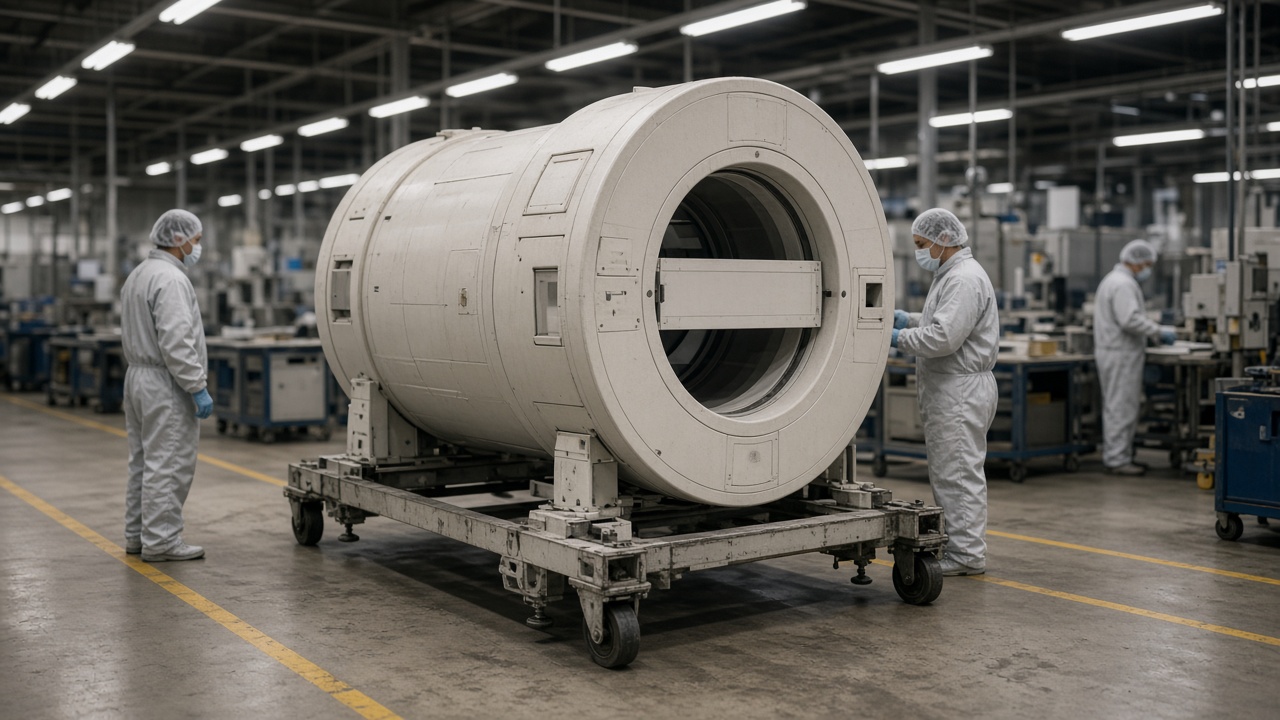
Canon Medical Systems shipped the first batch of next-generation computed tomography tube assemblies from its Utsunomiya factory to hospital groups in Germany and France, marking a production line the company restarted after retooling for higher heat tolerance and longer service intervals.
What the new tube changes clinically
Hospital engineers said the assembly allows sustained high-kilovolt scanning without the cooldown pauses older tubes require, which matters for trauma centers that run continuous trauma protocols. Canon Medical claims a fifteen percent improvement in heat dissipation using a revised anode design and vacuum-sealing process developed with parent Canon's materials division.
European buyers are installing the tubes as field replacements rather than buying entirely new gantry systems, a cheaper path for public hospitals facing budget caps. Canon Medical's service teams will calibrate each unit on site because tube alignment affects dose algorithms tied to patient safety regulations in the EU Medical Device Regulation framework.
Export timing and yen effects
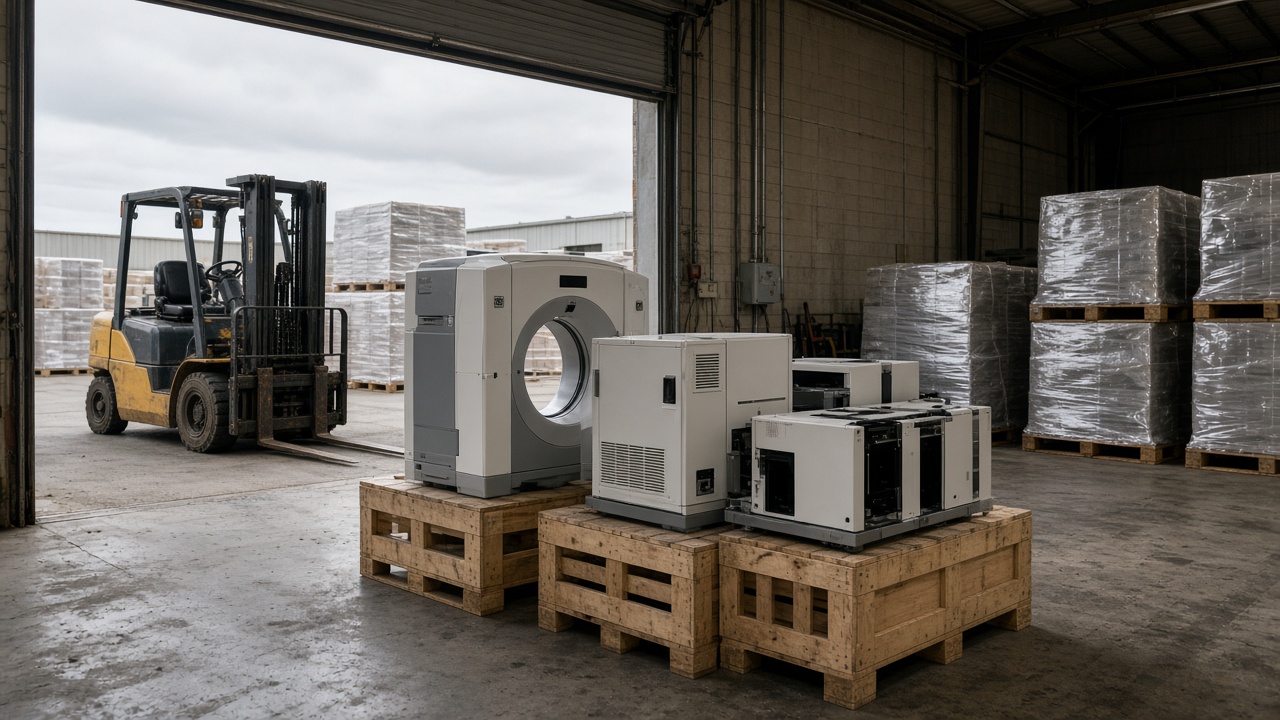
The shipments left Yokohama port last week with documentation showing a combined customs value above ¥4.8 billion, one of the larger single-lot medical component exports this quarter. A weaker yen against the euro helped Canon Medical win tenders that had been deferred when the currency moved the other way early in the year.
Domestic demand remains steady as Japanese prefectural hospitals replace scanners purchased after the 2011 earthquake reconstruction subsidies expired. Utsunomiya staff are running a second shift on weekdays to keep export and home-market orders on the same schedule.
Supply chain and rare metals
Like other imaging manufacturers, Canon Medical depends on tungsten and molybdenum suppliers that tightened allocations during the global defense procurement surge. The company told investors it secured a twelve-month buffer stock for critical anode materials but still faces six-month lead times on certain power-supply boards sourced from Southeast Asia.
Rival OEMs
Siemens Healthineers and GE HealthCare continue to service installed bases with their own tube programs, but third-party replacement tubes have gained share where hospitals prioritize uptime over single-vendor contracts. Canon Medical is betting that OEM-grade tubes with factory calibration will protect its service revenue while opening a high-margin parts export channel.
Management will break out medical component export growth at its next earnings briefing, giving investors a read on whether industrial imaging can offset softness in consumer camera demand elsewhere in the Canon group.
Service engineers in Lyon said the first installations will run parallel scans on legacy software versions before hospitals migrate to newer reconstruction algorithms, a precaution that adds a week to each site schedule but avoids dose-reporting errors.