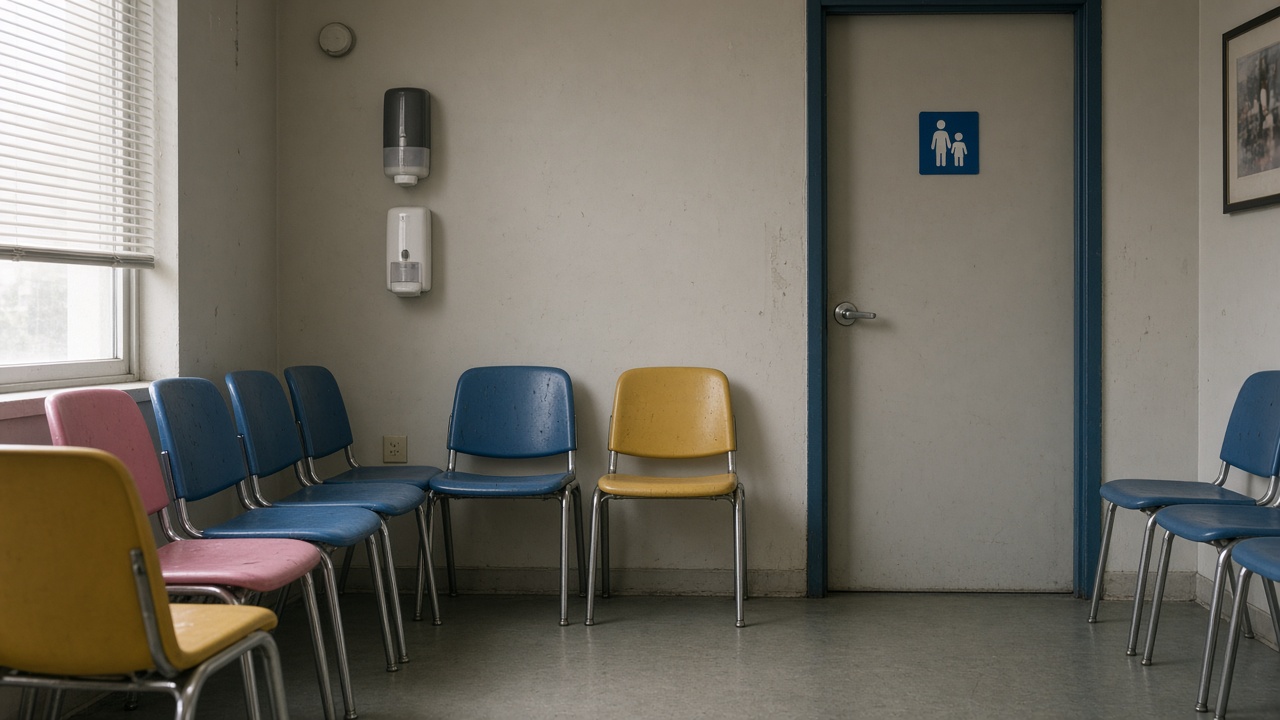
Chungcheongbuk-do provincial clinics expanded hand-foot-and-mouth isolation capacity Monday after a cluster tied to Cheongju kindergartens pushed pediatric fever wards above comfortable occupancy, local health officials said.
The Korea Disease Control and Prevention Agency logged a week-over-week rise in enterovirus reports across central Korea, with most mild cases in children under six. Cheongju saw multiple classrooms close temporarily when teachers identified oral lesions and fever patterns consistent with hand-foot-and-mouth disease, triggering contact tracing through provincial education offices.
Clinic changes on the ground
Four community health centers added negative-pressure isolation rooms repurposed from pandemic-era retrofits. Nurses triage febrile children in separate entrances to keep well-child vaccination visits on schedule. Parents receive text alerts with expected wait times after registering through the provincial app.
kindergarten-linked clusterHospital pediatricians said most cases do not require admission, but isolation rooms prevent cross exposure in crowded waiting areas. Severe neurologic complications remain rare; KDCA reminded clinicians to watch for persistent lethargy or myoclonus.
School and daycare response
Cheongju education authorities ordered enhanced surface cleaning and staggered pickup times at affected kindergartens. Some private centers voluntarily closed for three days to break transmission chains. Employers reported higher last-minute leave requests from parents juggling telework policies.
Public guidance
KDCA urges hand washing, avoiding shared utensils, and keeping symptomatic children home until fever clears and oral lesions crust. Provincial officials distribute Korean and English flyers at clinics serving foreign worker families in industrial zones outside Cheongju.
Outlook
Enterovirus season typically peaks in late autumn. Health officials will monitor whether expanded isolation rooms reduce emergency room diversions. If case counts stabilize, temporary rooms may revert to general use by December; if not, the province will fund additional nursing hours through year-end.
Regional hospital coordination
Cheongju’s largest general hospital said pediatric emergency visits rose fourteen percent last week even though admission rates stayed flat. Emergency physicians asked provincial clinics to keep stable patients out of ER hallways by using the new isolation rooms for observation up to four hours. Ambulance crews received checklists to distinguish enterovirus rashes from scarlet fever and drug reactions before transport.
Pharmacies near kindergartens reported short spikes in fever reducer sales; KDCA said manufacturers have not flagged supply issues. Workplace nurseries outside the initial cluster tightened daily temperature logs and stopped sharing toy bins between age groups until the provincial alert downgrades.
Provincial officials will publish weekly enterovirus counts every Monday through December so parents can plan leave. Childcare centers that hide symptomatic children to avoid closure notices face fines under education ministry rules renewed this fall after prior outbreaks in other provinces.
Telehealth vendors offering pediatric video consults saw upticks in Cheongju zip codes as parents tried to avoid clinic waits; provincial insurers reminded families that enterovirus diagnoses still require in-person oral exams for school clearance forms.