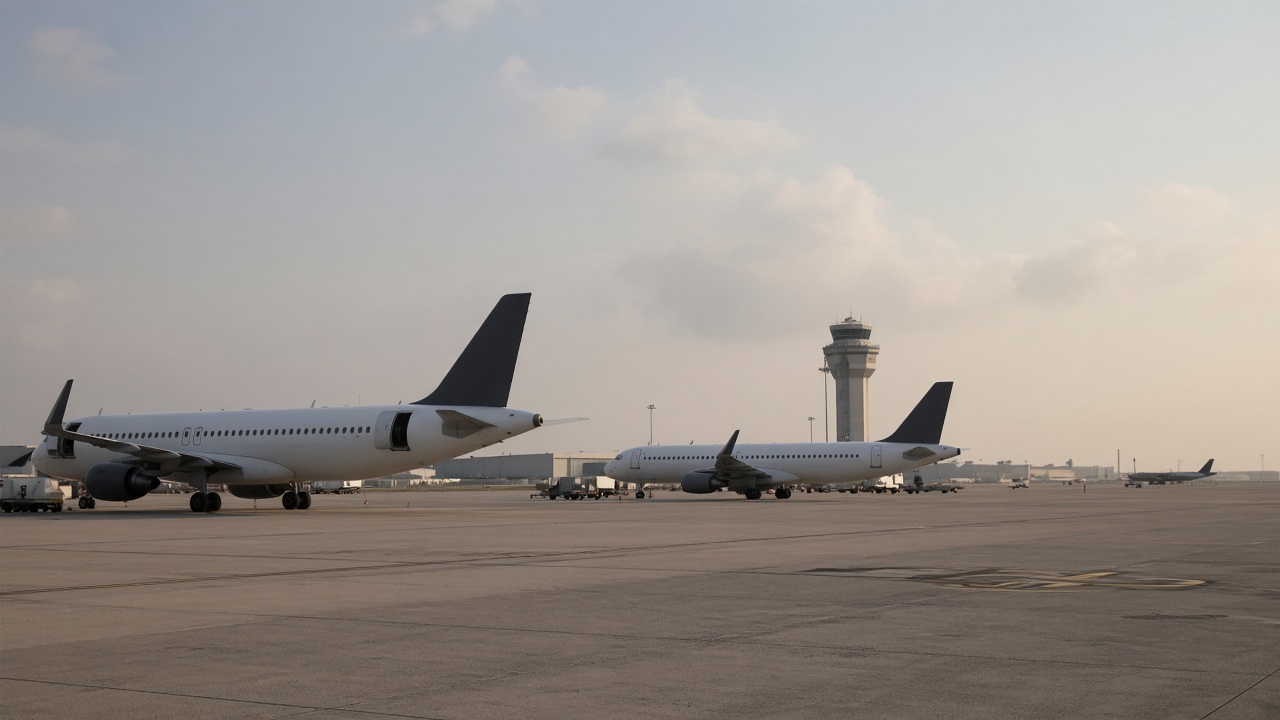
The Department of Transportation and the Federal Aviation Administration lowered required flight cuts at forty busy U.S. airports from six percent to three percent effective November 15 at 6 a.m. Eastern, citing improved air-traffic controller staffing and a steep drop in staffing-trigger events since early November.
What travelers should expect
The partial relief does not restore every cancelled frequency overnight. Airlines must still trim schedules at affected hubs, which include major connectors such as Atlanta, Dallas-Fort Worth, Newark, and Chicago O’Hare under the FAA’s published list. A three-percent mandate can still remove the last daily flight on a business route even when headlines emphasize improvement from six percent.
Officials said they will monitor performance through the following weekend before deciding whether normal operations can resume. That wording means Thanksgiving week itineraries remain vulnerable to last-minute consolidation if triggers spike again.
Restrictions that stay in place
Even with lower commercial cuts, the FAA keeps other limits: certain general aviation operations at a dozen airports, visual approaches where staffing triggers persist, overnight-only windows for commercial space launches, and limits on parachute and photo flights near stressed facilities. Leisure pilots and charter customers feel these rules more than mainline passengers but they still ripple through shared airspace.
Travelers without REAL ID-compliant documents face separate checkpoint delays through TSA’s fee-based Confirm.ID program, which the agency rebranded and repriced in late 2025 Federal Register notices. That identity path is optional, non-refundable, and does not guarantee access to the sterile area—distinct from the FAA staffing story but part of the same holiday travel stack.
How to protect a ticket bought before the change
Check your airline app for schedule changes before heading to the airport; carriers must rebook or refund under their contracts of carriage when they cancel, but voluntary changes may carry fare differences. Build buffer time on November 15 and the following weekend when the new cut level first applies. If you connect through one of the forty listed airports, prioritize earlier banks of flights, which airlines tend to protect longer than late-night rotations.
Corporate travel desks should refresh policy on duty-of-care messaging: a three-percent system cap can strand crews even when individual flights show on-time histories. Passengers documenting expenses need the airline’s cancellation reason code, not just the FAA press release, for reimbursement files.
Staffing triggers by the numbers
The FAA cited a rapid decline in staffing-trigger events after a November 8 peak, with single-digit daily counts by mid-month in its public summary. That improvement underpins the decision to halve the mandatory cut percentage, but triggers can rebound during weather or holiday overtime limits, which is why officials framed the three-percent level as temporary pending further review.
General aviation pilots operating under visual flight rules near facilities with active triggers should check notams the morning of departure; commercial passengers rarely see those notices even when their jet waits for a revised departure slot.
Planning around November 15
If your itinerary includes two of the forty affected airports on the same day, assume cumulative delay risk: the percentage cut applies across an airline’s schedule, not evenly to every passenger. Morning departures on hub-and-spoke tickets remain the most defensible choice when the FAA keeps partial caps in place through Thanksgiving.