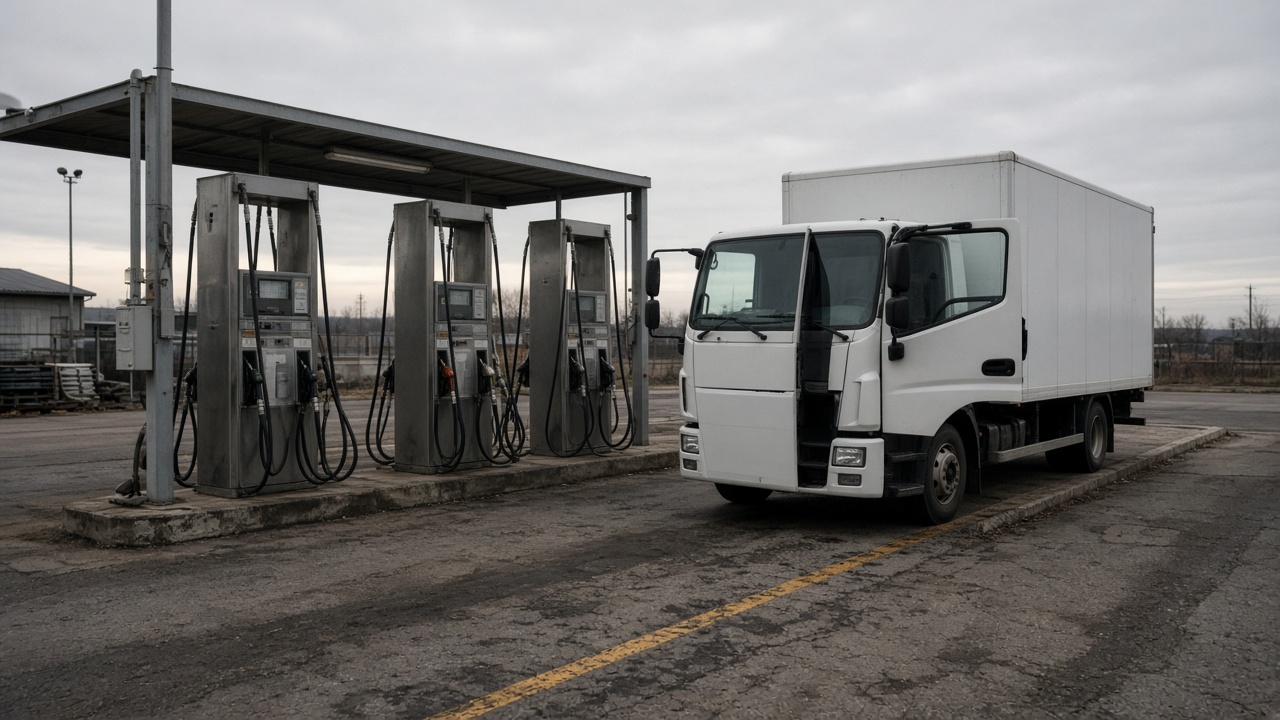
IBK Industrial Bank told corporate fleet customers Monday that it will remove a per-liter diesel rebate from co-branded credit cards starting with Tuesday billing cycles, shifting marketing budget toward electric-vehicle charging and highway toll credits instead.
The change affects roughly 120,000 fleet accounts used by logistics firms, construction subcontractors, and municipal service providers, according to a notice posted on the bank’s merchant portal. Diesel rebates had returned three won per liter at participating refiners when drivers paid with IBK fleet cards; that benefit ends for charges posted after midnight Korea Standard Time on November 3.
Why the bank is rebalancing rewards
IBK Industrial Bank’s card division said diesel subsidies no longer match its risk and sustainability targets. Interchange on fleet fuel spend is thin, misuse monitoring costs rose after a spike in cloned card swipes at highway rest stops, and regulators have pressed lenders to document environmental claims on green-labeled products. Redirecting rebate cash to EV charging and toll transponders lets the bank market a “mixed fleet” package without maintaining two parallel diesel programs.
Tuesday billing cycleCommercial borrowers were given ten days’ notice, shorter than the thirty-day window consumer cards require under Financial Services Commission guidance, because fleet contracts follow separate business terms. Still, several logistics associations complained that diesel cash flow matters more than EV perks for small operators running older trucks.
What fleet managers should do this week
Account managers advising clients said companies should reconcile November 1 fuel receipts before the rebate disappears, then map which vehicles still qualify for toll credits under the revised tier table. IBK is adding a five-percent statement credit on charging spend at three named networks, capped at 200,000 won per month per account.
Some customers may switch cards. Shinhan and KB Kookmin maintain competing fleet products with different rebate shapes; industry data show diesel-heavy fleets churn cards when per-liter benefits move by even two won. IBK said early termination fees on hardware leases for fuel terminals will not apply if clients upgrade to combined RFID toll tags bundled in the new program.
Regulatory and card-abuse backdrop
The Financial Services Commission has not objected to the change, but it reminded banks in September that fleet notices must disclose effective dates in Korea Standard Time and highlight lost benefits in bold type. IBK’s notice complied, according to a review by InfoHandle Network.
Security teams at the bank flagged a rise in skimming at unmanned diesel islands along the Yeongdong Expressway, which partly motivated tighter controls on high-risk merchants. Moving spend toward networked chargers and electronic tolling reduces exposure to counterfeit terminals, executives told business clients on a webinar Monday afternoon.
Outlook for corporate card issuers
Other issuers are watching IBK’s experiment. If fleet churn stays low, competitors may trim diesel perks too, especially as municipal fleets electrify buses on accelerated schedules. For diesel-dependent subcontractors, the immediate hit is measurable: a mid-size hauler burning 8,000 liters monthly loses roughly 24,000 won in rebates overnight, before any offset from toll credits.
IBK pledged to review feedback after the first full billing cycle and publish take-up rates for the EV charging credit in December. Until then, fleet finance teams face a simple deadline: Tuesday’s statement will show whether their fuel economics still fit IBK’s card—or whether it is time to rebid.
Comparison with public-sector fleets
Municipal fleets that still run diesel refuse trucks may keep older IBK cards for toll rebates even as diesel perks vanish, but finance directors must opt into the new program by signing amended annexes. Some cities are accelerating compressed-natural-gas conversions to escape diesel volatility entirely, a trend IBK cited when explaining rebate cuts to public clients on the same webinar.
Independent truck owner-operators without corporate treasury teams may miss the notice entirely until statements post Tuesday; IBK said it sent SMS alerts in Korean to registered fleet managers but not to every driver cardholder.