Spanish authorities have confirmed that a Japanese national died in the high-speed train collision near Urda, Toledo, bringing the toll from one of Europe’s deadliest rail disasters this century to 69 confirmed fatalities, Japan’s government said Monday.
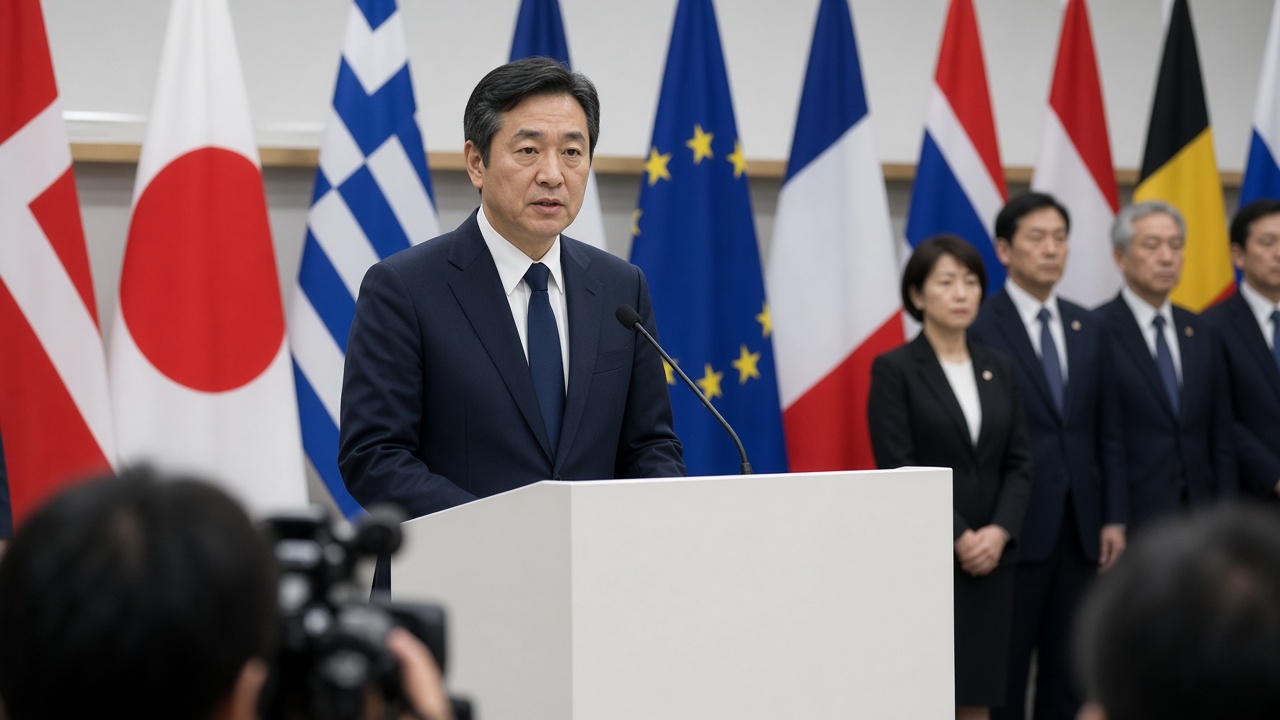
Chief Cabinet Secretary Minoru Kihara told reporters in Tokyo that Madrid’s Sunday update named one Japanese victim among 66 people identified so far, including 54 Spaniards and 12 foreign nationals. Personal details have not been released publicly. Kihara said a second Japanese passenger listed on the trains’ manifests is believed to be among three victims still awaiting identification, a group Spanish media have said may include another Japanese traveler and two Australians.
Identification work in Spain
Spain’s Integrated Data Center, coordinating disaster information, said 53 victims were identified through fingerprint analysis and 13 through DNA testing. Families of 60 of the dead had been notified as of Sunday, according to the Japan Times and Nippon TV.
Among the 12 foreign nationals confirmed, authorities listed four Americans plus one citizen each from Argentina, Canada, the Czech Republic, France, Japan, Mexico, Portugal and Tunisia. The crash occurred on Oct. 28 when a state-owned Renfe AVE train struck the rear of a stationary Iryo train between the towns of Mora and Orgaz. More than 100 people were injured.
What Tokyo knows about the cause
Kyodo News reported Monday that Spain’s government believes a computer malfunction automatically halted six trains on the line and that a control center instructed the following driver to depart despite a red signal while an automated safety system was offline. Spanish prosecutors and rail regulators are conducting parallel inquiries; no findings have been shared with Tokyo beyond routine consular updates.
Japan’s Foreign Ministry received an initial notice shortly after the accident that two Japanese nationals appeared on passenger lists for the involved services. Embassy staff in Madrid have visited hospitals and coordination centers, NTV reported, as specialists continue DNA work on badly damaged remains.
Support for families
Kihara said the government is “doing its utmost” with Spanish authorities to confirm identities and assist relatives, without describing travel arrangements for next of kin. Public broadcaster NHK noted that 41 injured passengers remained hospitalized as of Oct. 31.
The confirmation lands as Japan marks Culture Day and as domestic attention turns to disaster-management reforms following last month’s launch of a national agency to coordinate quake response. For Japanese travelers, the Urda wreck has revived scrutiny of European high-speed interoperability and of how consular teams handle multi-national identification after catastrophic accidents.