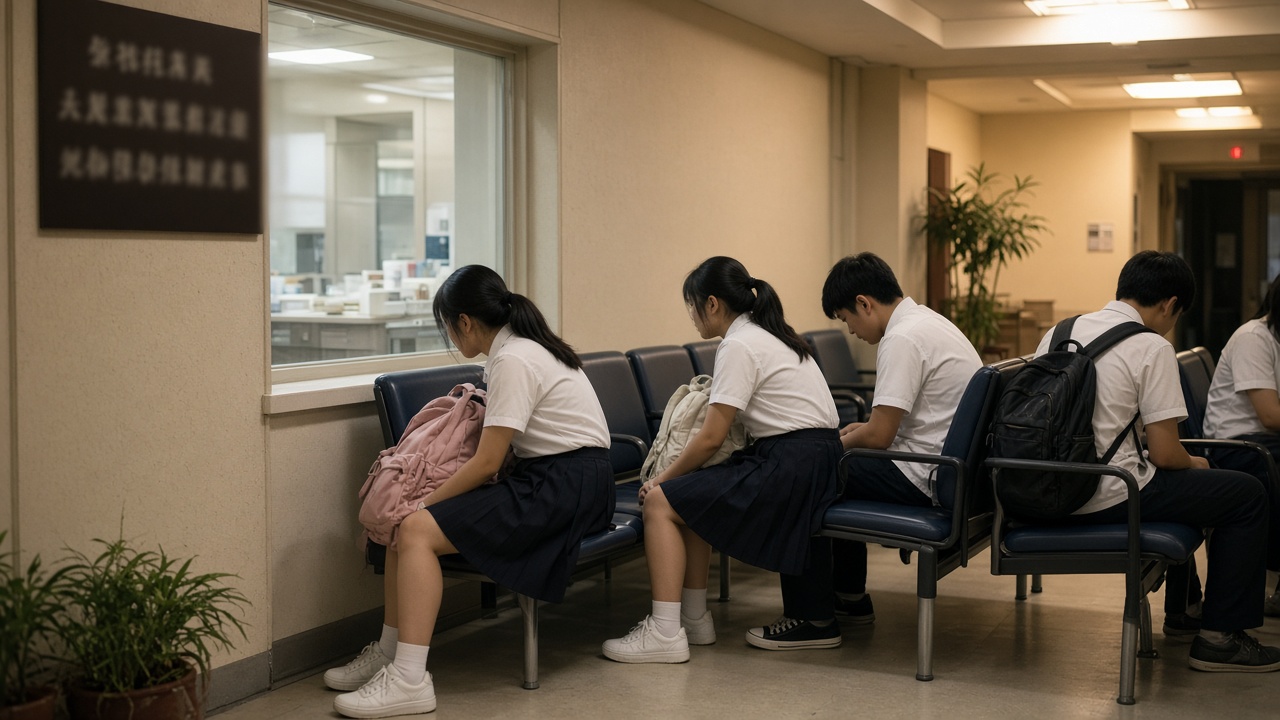
Kaohsiung’s Health Bureau said Monday that six contracted skin centers will keep evening appointment blocks through December for students and transit workers with thigh and shoulder chafing tied to stiff winter uniform fabrics.
Why clinics opened later
School nurses forwarded forty-two percent more referrals in October compared with last year, mostly junior high students breaking in new blazer wool blends. Dermatologists reported erythema patterns consistent with seam friction rather than infection, but parents queued during work hours until clinics shifted two evening tables per week per district.
Clinic managers in Fengshan said walk-ins spiked on rainy days when wool absorbed moisture and stiffened against skin, a pattern the bureau will track through December before recommending fabric changes to education officials.
Uniform vendors told the bureau they changed lining stitches on winter skirts after complaints, but older stock still circulates in bookstores. Clinics ask parents to note purchase month so public-health statisticians can tie flare-ups to batch codes without naming suppliers in press releases.
What visits cover
Appointments include measurement for barrier creams, breathable underlayers on prescription forms where insurers allow, and counseling on laundry softener use—not antibiotic courses unless secondary cracking appears. The bureau published a Cantonese and Mandarin flyer for MRT staff who wear structured vests on cooler platforms.
School counselors received a script for referring students without labeling cases as infections, after nurses reported stigma when classmates saw clinic passes. Dermatologists said most visits finish within twenty minutes when parents bring uniform seam photos on phones.
Booking
Parents book through the city’s telehealth portal with school ID numbers; walk-ins remain for shift workers after 6 p.m. on Wednesdays in Sanmin and Lingya. Capacity is capped so emergency eczema cases still same-day triage at medical centers.
Health Bureau call-center staff added evening shifts to answer uniform fabric questions after clinics close, routing complex cases to on-call dermatologists who can approve barrier cream prescriptions by phone when insurers allow.
The bureau said three school districts will pilot fabric guidance sheets listing approved underlayer vendors before winter uniform swaps next year. Pharmacists at two chain stores agreed to stock the barrier creams on formulary lists so parents are not sent across town after appointments.
Uniform manufacturers will attend a December roundtable with nurse associations to compare seam tape tests on wool blends versus polyester mixes popular in southern humidity. Health Bureau staff said they will not mandate fabric changes but may publish voluntary stiffness ratings parents can read before purchases.
MRT operators reported fewer uniform-related chafing referrals from station staff than from school nurses, suggesting vest materials differ enough that the flyer campaign targets transit workers separately next week.
Dermatology residents staffing evening clinics said parents often arrived with uniform skirts still tagged from bookstores, evidence the bureau will use when asking manufacturers to recall stiff batches voluntarily.