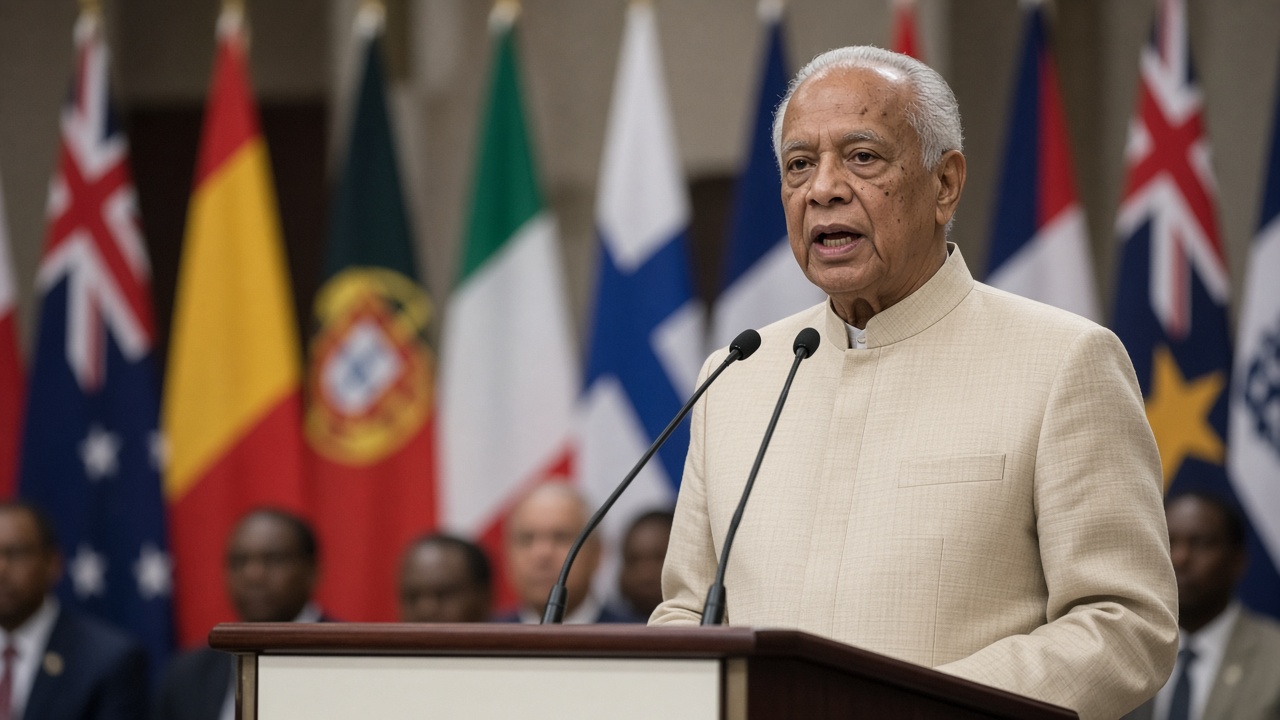
King Charles III will address Commonwealth leaders in Antigua and Barbuda with what Buckingham Palace called “unflinching honesty” about the transatlantic slave trade, setting the tone for a summit where Caribbean governments are pressing London on historical accountability. The planned speech lands two days after Prime Minister Andy Burnham said he was open to a formal British apology but would not pay reparations, splitting the difference between royal symbolism and Treasury red lines.
Palace officials said the King would speak Tuesday with “sincere sorrow” about enduring harm, and stressed that any decision on a state apology rests with ministers, not the monarchy. Burnham was informed before the King’s remarks were finalized, according to BBC reporting, and royal sources said the speech had not been rewritten after the prime minister’s Guardian article on Friday.
Burnham’s offer: dialogue, debt relief, no cash reparations
In that article, Burnham wrote that he shared “sorrow and regret” for the suffering of millions and recognized how slavery still shapes the modern world. He said Britain should lead again as it once led abolition, proposing structured talks with affected countries and a debt-restructuring initiative for the poorest Commonwealth members, to be championed by former Chancellor Gordon Brown.
He drew a bright line on money: current British taxpayers, he argued, cannot be held liable for crimes committed under different laws centuries ago. Caribbean leaders welcomed the shift in tone but said an apology without repair would remain incomplete—a tension likely to surface in bilateral meetings before the heads-of-government session ends.
What hosts in Antigua are asking for
Antigua and Barbuda Prime Minister Gaston Browne used an independence-day address to say the pursuit of reparatory justice required “seriousness, sensitivity and sustained international engagement.” Browne said his government was raising the issue directly with UK officials at the Commonwealth Heads of Government Meeting, which opened Sunday in St John’s with Charles touring the region ahead of the formal program.
Chancellor John Healey told the BBC that Burnham was “open to a discussion” about an apology because it was “the right thing” before the summit, while repeating that compensation was off the table. The British state has never formally apologized for slavery or offered reparations, making even a conditional openness politically significant for backbenchers and Commonwealth diplomats tracking whip counts.
Calendar pressure back in Westminster
When Parliament returns, Burnham’s critics on both sides will test whether royal language and ministerial op-eds translate into cabinet-approved wording. Commonwealth trade and security cooperation remain priorities for Downing Street, which argued in Burnham’s article that the family of nations is “vital to our interests” in a fractured world.
For now, the actionable news is timing: a royal address Tuesday, a prime minister who has moved closer to an apology than any recent predecessor, and host nations that continue to demand more than words. How far Burnham goes when he lands in Antigua will be measured against what Charles says from the podium—and whether either statement satisfies governments that have waited decades for recognition.