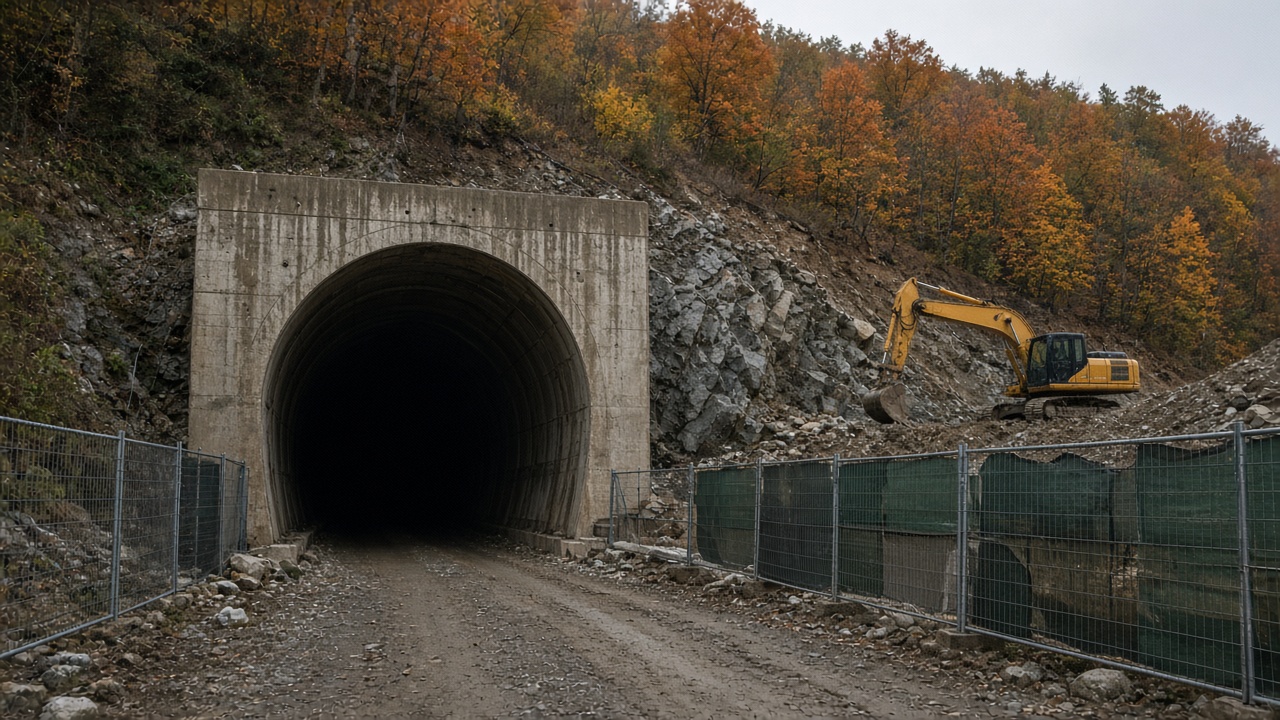
Opposition lawmakers on the National Assembly’s land and transport panel opened an audit Monday into ballooning costs on a Gangwon Province high-speed rail tunnel after the Ministry of Land, Infrastructure and Transport filed revised geotechnical spending figures last week.
The tunnel segment connects a planned intercity line meant to shorten Seoul-to-east coast travel. Original bids priced hard-rock excavation conservatively; mid-project surveys found fractured strata requiring additional lining and pumping, pushing the segment budget 18 percent above the 2024 estimate, according to documents lawmakers released at the hearing.
What the ministry disclosed
Land ministry officials said contractors encountered unexpected groundwater in two adits, forcing slower drill-and-blast cycles and temporary track diversions for existing freight. They requested contingency draws approved by an internal review board but did not notify the Assembly until quarterly reporting, a timing gap opposition members called unacceptable.
Political stakes in Gangwon
Gangwon governors from both major parties have touted the line as tourism and logistics use ahead of regional events. Delayed tunnel work pushes back station openings, which in turn delays property tax projections local governments already booked. Residents near the portal complain about night blasting; environmental groups want tighter dust monitoring.
Contractor accountability
The primary joint venture includes a large Korean construction firm and a specialist tunneling subcontractor. Lawmakers asked whether bid-rigging audits from a separate highway project should disqualify executives here; ministry lawyers said no overlap was proved. Whistleblowers allege safety walkarounds to meet milestone bonuses, claims the joint venture denied in written testimony.
Next legislative steps
The committee scheduled follow-up sessions with provincial officials and Korea Rail Network Authority executives. Opposition members demand independent geotechnical review before further contingency releases. The ministry pledged a revised master schedule by mid-November but warned that winter freeze rules may slow portal work regardless.
Commuters waiting for faster east coast service will measure success in dates, not hearings. For now, the audit keeps pressure on a project that already symbolizes how hard it is to build through Korea’s mountains on budget.
Financing and commuter expectations
The project draws on national rail bonds and provincial matching funds. Any further overrun without Assembly notification could trigger a compliance review by the Board of Audit and Inspection, opposition staffers said Monday. Commuters on existing diesel services were promised faster trips once the high-speed segment opens; each month of tunnel delay pushes marketing timelines for resort developers who staked promotions on the new line.
Engineering consultants hired after the hearing will report whether contractor claims about fractured strata match core samples stored at the ministry’s Gangneung field office. If samples contradict billing, lawmakers may seek clawbacks under performance bonds written into the joint venture contract.
Transparency requests
Transparency advocates petitioned for live-streamed site visits, which the ministry rejected citing safety rules. Instead, lawmakers will receive drone footage stored on a parliamentary server with redacted contractor markings. If footage contradicts written progress reports, the audit could expand to other segments on the same line.
Regional newspapers editorialized that tunnel delays hurt east coast seafood exporters who planned cold-chain rail service. Even a few months of slippage forces truck reliance and higher spoilage rates during peak seasons.
Export-oriented seafood processors in Gangneung told lawmakers that rail reliability affects auction prices at East Sea ports. They asked for interim freight subsidies if passenger service slips but freight slots remain scarce on legacy lines.
Unionized tunnel workers requested overtime caps after consecutive night shifts; ministry labor auditors said they would review shift logs submitted by the joint venture.