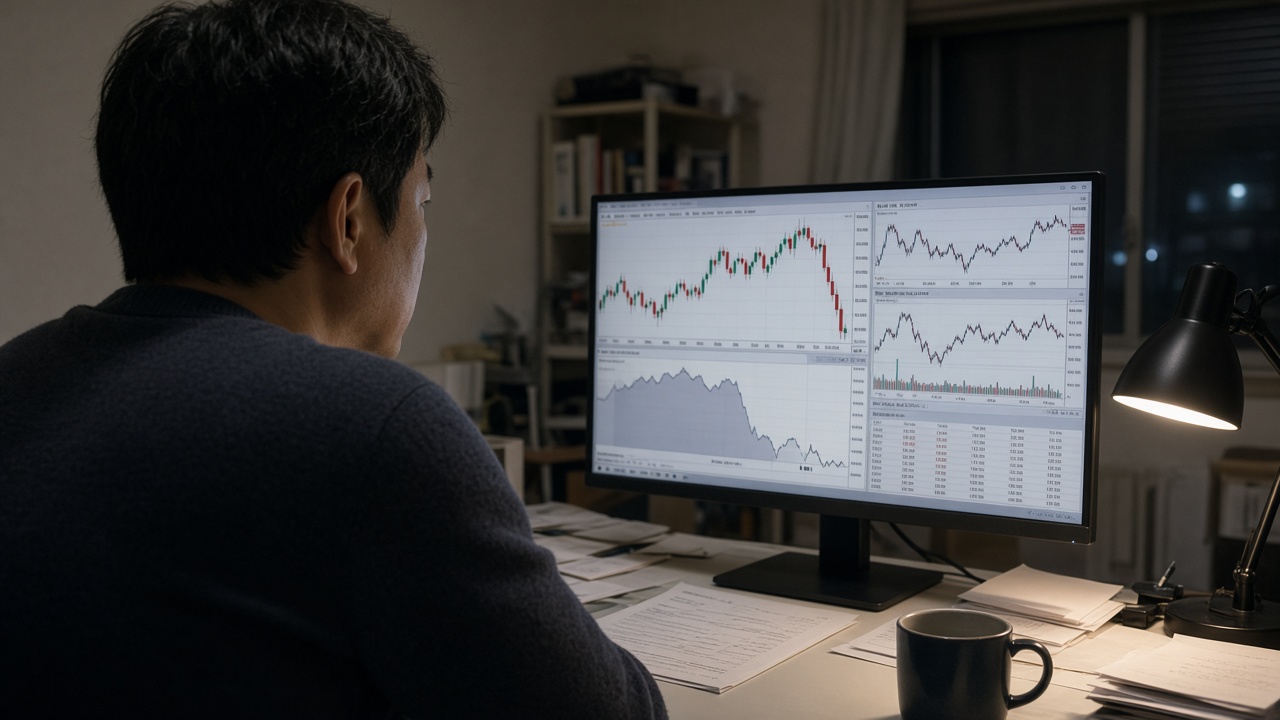
Mitsubishi UFJ eSmart logged the heaviest single-day margin debt repayment volume since the Bank of Japan adjusted policy in July, as individual investors cut margin exposure ahead of a two-day cash market pause for Culture Day and after the Nikkei 225 closed the prior week near record territory.
What the flow data shows
The online brokerage reported that customers repaid ¥418 billion in margin balances on Friday's session, exceeding any daily repayment since late July when the policy board signaled a higher tolerance for yen strength. Repayments outpaced new margin borrowing by roughly ¥96 billion, a reversal from mid-October when traders were adding exposure to semiconductor and trading-house names.
Desk staff said many orders were automatic reduction of borrowed exposure triggered when account maintenance ratios approached internal warning bands. Others were discretionary cuts from investors who did not want to carry yen-denominated debt over a holiday when the cash equity market is closed but global headlines can still move futures.
Link to the Nikkei and holiday calendar
The Nikkei 225 finished the prior Friday's session above 52,000 after a week of gains tied to overseas tech earnings and a softer yen. With Culture Day on Tuesday creating a bridge that keeps Tokyo Stock Exchange cash trading shut Monday and Tuesday, margin desks typically see risk reduction the session before a long break.
Exchange data showed rising activity in Nikkei 225 mini futures as a hedge, while cash-market volume in large-cap banks and insurers was lighter than the monthly average. eSmart's repayment spike fits that pattern: investors locking in gains and reducing the cost of carrying overnight margin loans when they cannot adjust cash positions for forty-eight hours.
Who cut margin debt
Breakdowns shared with institutional clients pointed to retail accounts in the Kanto and Kansai regions, with smaller contributions from corporate treasury accounts testing the platform. Semiconductor-related margin positions saw the largest absolute declines, followed by trading houses that had run up on dividend expectations.
MUFG executives cautioned that one-day flows can reverse quickly once trading resumes, especially if U.S. data or yen moves surprise the market during the holiday. They emphasized that overall margin balances remain above pre-pandemic norms, reflecting a structural rise in individual participation.
What to watch when trading reopens
Analysts expect the first session after the break to focus on whether repayments freed enough cash for dip buying or whether investors remain cautious into year-end portfolio rebalancing. eSmart plans to publish a weekly margin balance snapshot alongside other major online brokers, giving a clearer read on whether Friday's move was a one-off trim or the start of a broader deleveraging trend.