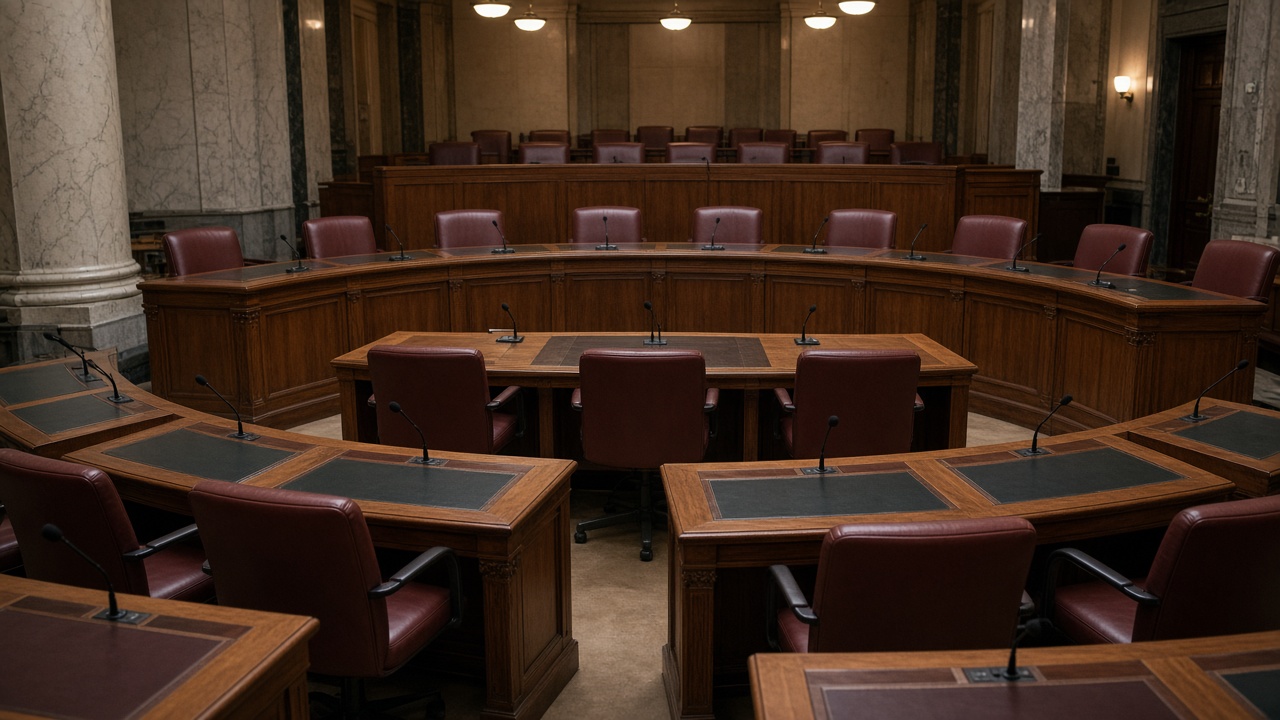
The Parliamentary Standing Committee on Communications issued a summons to the telecom secretary for a closed-door hearing on Tuesday after defence representatives balked at releasing additional 3.3 GHz spectrum blocks carriers say they need for dense 5G coverage in Delhi, Mumbai and Bengaluru.
The dispute centres on overlap between civilian 5G assignments and radar systems the armed services operate in adjacent bands. Civilian officials promised a harmonisation plan before the 2021 auctions, but ministry correspondence shows at least four metro circles still lack cleared contiguous blocks.
Carrier stakes
Reliance Jio, Bharti Airtel and Vodafone Idea paid billions for 5G airwaves expecting follow-on tranches in mid-band spectrum suitable for urban small cells. Without those blocks, operators must split traffic between existing holdings and unlicensed Wi-Fi offload, raising capex on street-level gear.
Industry associations told the panel that delayed clearance could slow enterprise private 5G networks for ports and factories, projects the government promoted in recent budget speeches.
Defence objections
Defence ministry briefings cited live exercises that depend on legacy radar in the band and argued that premature civilian use could blind coastal surveillance during tests. Civilian negotiators offered time-sharing frameworks used in other countries, but uniformed officers said those models failed during combined drills last summer.
The committee chair, an opposition MP from Tamil Nadu, said members would hear classified maps behind closed doors before deciding whether to recommend a statutory spectrum regulator with power to arbitrate inter-ministerial deadlocks.
Political timing
The hearing lands as the winter session opens with telecom-related bills on digital data governance and satellite landing rights. Opposition parties may use spectrum delays to question whether India’s 5G rollout metrics overstate usable coverage, a charge carriers deny by pointing to growing average data consumption per SIM.
What investors watch
Equity analysts treat spectrum fights as balance-sheet events because deferred auctions postpone government receipts while forcing operators to amortise existing licences longer. A clear release calendar would support tower company stocks that bet on metro small-cell densification.
For now, the secretary faces a simple question in committee: which metro circles get cleared bands this fiscal year, and who signs off when defence and telecom disagree. Until that answer is dated, 5G marketing will continue to outrun the spectrum map.
Telecom ministerial aides told reporters that a joint working group would meet again on Wednesday with spectrum maps both sides agree are authentic, a precondition before any public auction calendar is revised.