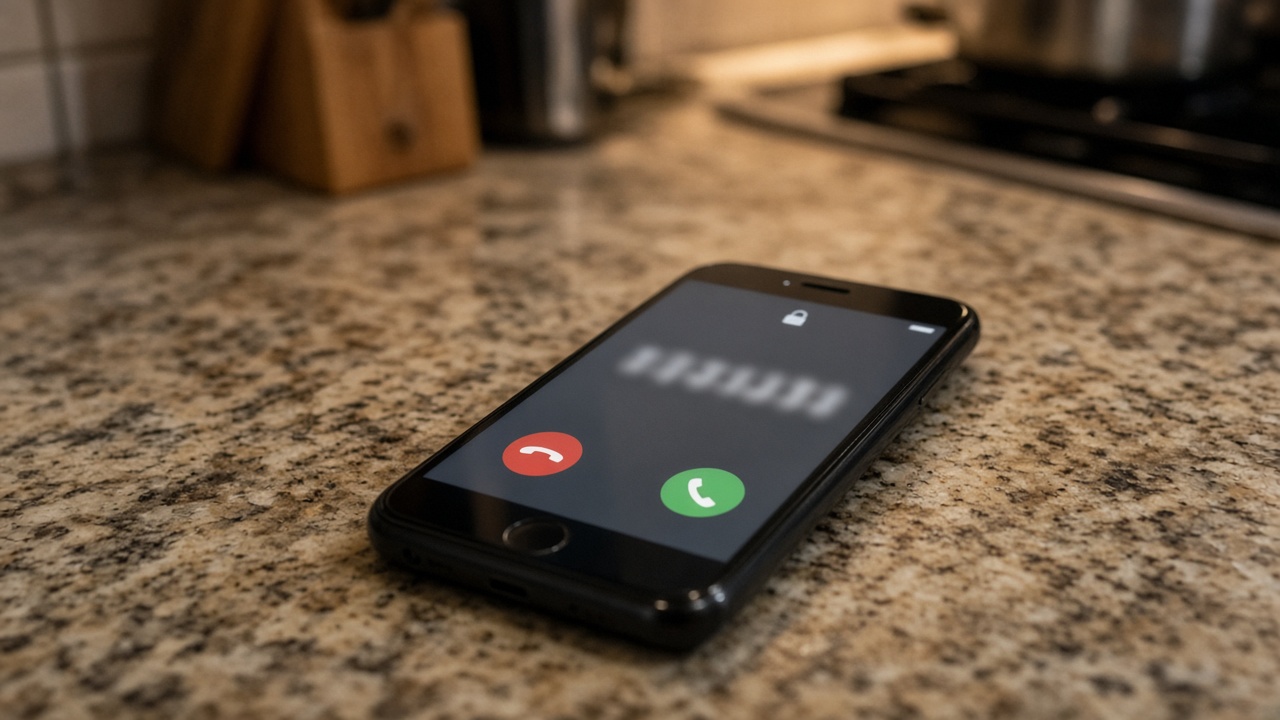
Scammers are cold-calling Americans with a script that claims a phone registered in the victim’s name is committing fraud overseas and will be deactivated unless the target cooperates immediately, the Federal Trade Commission warned in an October 22 consumer alert that remains active as open-enrollment and holiday shipping season ramps up unsolicited calls.
How the handoff works
The caller impersonates an FTC official and may recite a badge number that sounds authoritative. After the overseas-crime story, the scammer transfers the victim to someone posing as a police officer who collects identifying details for a supposed report and instructs the target not to tell family or bank staff. The closing move is an arrest threat tied to the phantom overseas case, lifted only if the victim sends a “security deposit,” often by wire or other irreversible payment rails.
Consumer advocates note the structure mirrors broader government-impersonation fraud that federal law enforcement has tied to more than a billion dollars in reported losses over multi-year windows. The FTC’s guidance is blunt: hang up, do not call back numbers the scammer suggests, and do not send money to unlock a phone number.
Red flags at each step
Pressure to act before hanging up is the first tell. A second is any request to move funds quickly to “protect” an account or phone line. A third is a texted photo of an employee ID; the FTC says its staff will not use texts that way to prove identity. Caller ID is not proof, because scammers spoof agency names and local police departments.
If you already shared personal data, treat it as a identity-theft response: place fraud alerts or freezes with the major credit bureaus, change passwords on financial accounts, and monitor statements. If you sent money, contact the transfer company immediately to ask about recall options, knowing that wires often cannot be reversed once picked up.
What to do instead
Report the call at ReportFraud.ftc.gov with whatever number appeared and a short description of the script. Forward suspicious texts to 7726 so carriers can flag campaigns. For expected government contact, initiate communication yourself using numbers printed on official mail or agency websites, not numbers supplied mid-call.
Family members caring for older relatives should rehearse a one-line response: “I will call the agency back on the public line.” That break in the script prevents the fake police handoff from gaining momentum during a moment of fear.
Why the script spikes in November
Open enrollment for health coverage and the run-up to Thanksgiving shipping season both increase legitimate outbound calls, which gives scammers cover to mimic expected contacts. The FTC’s separate October guidance on misleading insurance ads underscores the same rule: initiate contact through official portals rather than trusting inbound pitches, whether the topic is coverage or phone service.
Banks continue to see customers arrive after wiring “deposits” that cannot be recalled. Branch staff cannot claw back funds once they leave the account, so front-line prevention—hanging up before the wire form opens—remains the only cheap fix.