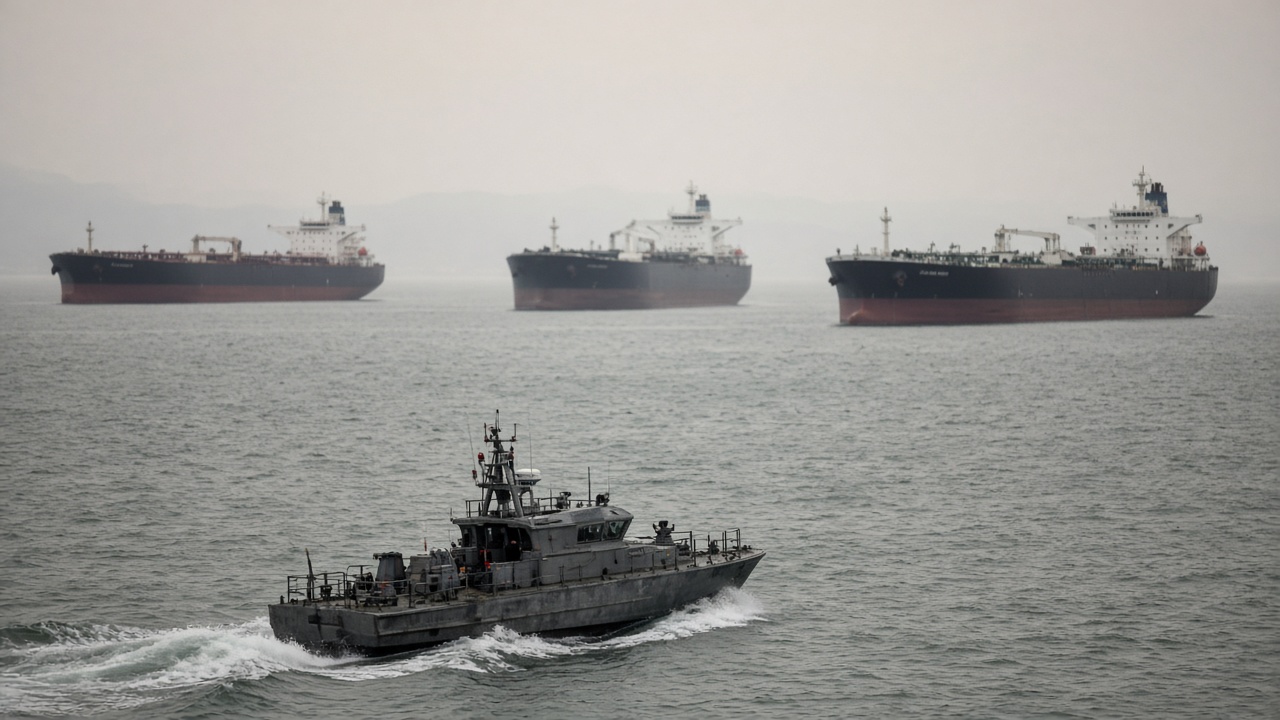
Iran’s foreign ministry said Monday that it could reopen the Strait of Hormuz to commercial traffic within 48 hours if the United States satisfies conditions Tehran has tied to a wider security bargain, shortening a reopening timeline officials had previously described in terms of a week. The statement landed as negotiators gathered in Qatar and as global oil benchmarks fell on hopes that tanker traffic through the world’s most important crude chokepoint might resume without a new round of strikes.
Foreign ministry spokesman Esmaeil Baghaei told reporters in Tehran that the two-day window was “another indication of Iran’s good-faith approach,” but he added that “everything depends” on what Washington delivers. Baghaei did not publish a detailed checklist, yet diplomats tracking the talks said the Iranian side has linked Hormuz access to reciprocal steps on sanctions enforcement, maritime insurance, and a pause in certain U.S. military movements in the Gulf.
Markets price relief, not certainty
European and Asian trading desks marked Brent and West Texas Intermediate lower at the open, with analysts citing the combination of active diplomacy and the explicit shortening of Iran’s reopening clock. Traders cautioned that the move looked more like a risk premium coming off than a verdict that flows would normalize by midweek, because insurers and charterers have kept many vessels outside the strait even when rhetoric softens.
Shipping brokers said any credible reopening would still require clear guidance from Gulf navies and from the handful of underwriters that cover war risks in the region. Until those notices land, many owners are likely to keep tankers staged in the Arabian Sea rather than gamble on a partial corridor that could close again within hours if talks stall or if either side interprets a provocation as a breach.
Washington’s dual track
President Donald Trump has publicly kept the option of fresh strikes on the table even while his envoys meet Iranian counterparts, a posture that has split allies in the Gulf and in Europe. Israeli Prime Minister Benjamin Netanyahu has urged Washington to hit Iran soon after Tuesday’s U.S. midterm elections, according to reports from several outlets, while Qatar and Oman have pressed for a sequenced deal that ties Hormuz access to verifiable limits on enrichment and to humanitarian corridors elsewhere in the region.
China said Monday it was sending a special envoy to Iran, Saudi Arabia, and Oman, underscoring how much Beijing’s import bill still depends on uninterrupted Gulf exports. The U.N. migration agency, meanwhile, warned that more than 300,000 people in Yemen have fled renewed fighting, a reminder that the Hormuz standoff sits inside a wider arc of conflicts that can spill into shipping lanes with little warning.
What negotiators are weighing next
Officials in Doha described Monday’s sessions as technical rather than ceremonial, focused on sequencing: which U.S. steps Iran wants to see first, and which Iranian moves Gulf states need before they will certify the strait safe for insurers. European diplomats said they are watching for a written understanding on nuclear talks, which Tehran said would resume in parallel with any maritime deal, rather than a handshake statement that leaves enforcement vague.
For consumers, the immediate question is whether diesel and jet fuel prices—which spiked when Hormuz traffic thinned—have room to fall before winter demand peaks in the Northern Hemisphere. Refiners said they will need at least a week of stable transits before they adjust run rates, even if Monday’s rhetoric keeps crude under pressure. Until then, the 48-hour promise is a headline traders will treat as fragile: priced when it appears, discounted the moment a patrol boat reports an incident at the strait’s mouth.