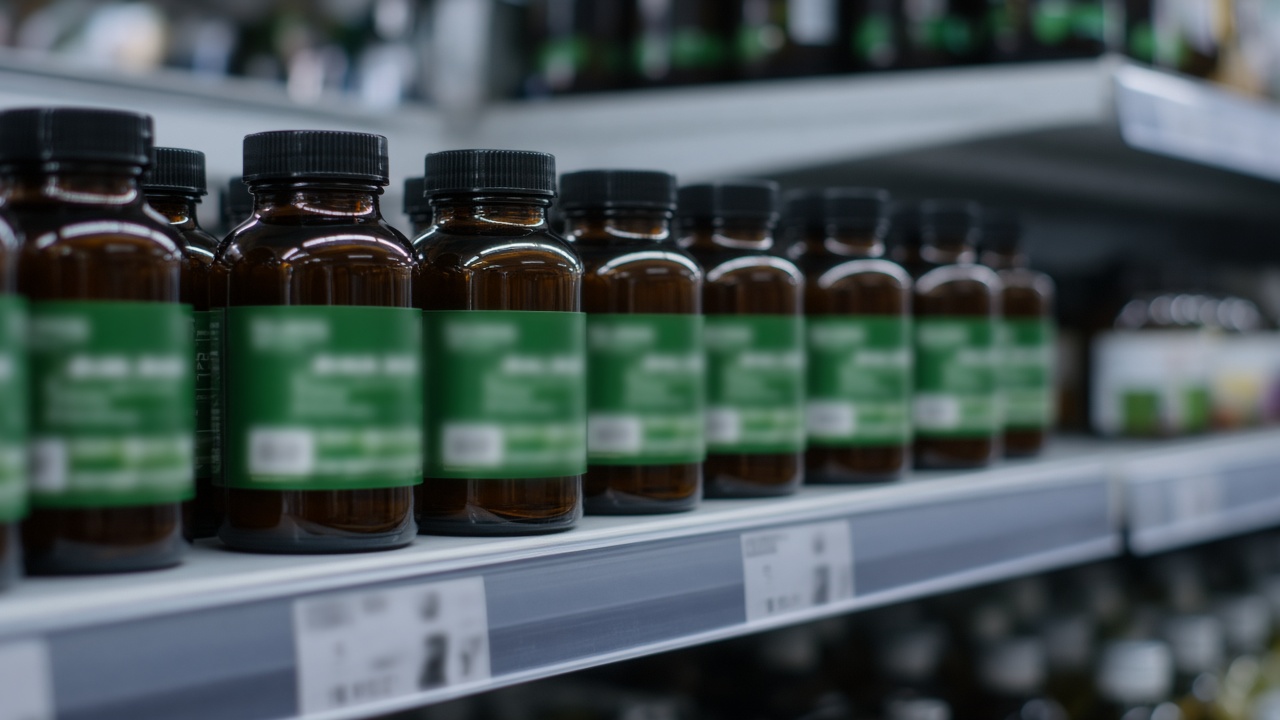
Vitality Works Inc. pulled every lot of 365 Whole Foods Market Standardized and Full Spectrum Blend Ashwagandha Capsules after the Food and Drug Administration posted an October 30, 2026, recall entry citing potential Salmonella contamination, a bacterial risk that can cause fever and gastrointestinal illness in healthy adults and more severe outcomes in vulnerable groups.
Which product is affected
The FDA table lists the product under the 365 Whole Foods Market store brand with Vitality Works as the recalling firm. The announcement covers standardized and full-spectrum ashwagandha capsules sold in Whole Foods channels, not every supplement in the adaptogen aisle. Lot numbers and UPC details appear in the firm’s recall notice linked from the FDA page; shoppers should match both brand and product description before discarding bottles.
Salmonella recalls in dietary supplements follow the same consumer logic as food recalls: do not open remaining capsules to smell or taste-test, and sanitize surfaces that touched the bottle if you handled it near food prep areas.
Symptoms and who is at risk
Healthy adults may experience diarrhea, fever, and cramps within hours or days of exposure. Infants, older adults, and people with weakened immune systems can develop invasive illness requiring hospital care. If you consumed the product and show symptoms, contact a clinician with the product name and purchase date; mention the recall so labs know what to test.
Retailers typically remove recalled SKUs automatically, but home pantries lag. Check gym bags, office desks, and shared households where another member may have bought the bottle.
What to do with bottles on hand
Stop using the capsules immediately. Whole Foods customers can return recalled units to the store for a refund under the firm’s policy stated in the FDA excerpt. If you purchased online, use the order history to confirm the SKU and initiate a return through the channel listed on the receipt.
Document the purchase if you believe you became ill; state health departments use consumer reports to tie cases to lots. The FDA keeps active recalls on its public list for three years before archiving, but the actionable step for households is disposal or return now, not waiting for a secondary letter.
Store-brand supplements and supply chains
Private-label herbs often share contract manufacturers, so a Salmonella hit on one SKU can prompt questions about co-packed items even when they are not listed. Shoppers should rely on the FDA table rather than assumptions about “clean” lots sitting next to recalled bottles on the shelf.
Dietitians who recommended ashwagandha for stress support should notify clients who bought the 365-branded capsules in October, because recall notices do not always reach people who already emptied half a bottle into a pill organizer.
Reporting illness
Healthcare providers report serious Salmonella cases to local health departments, which feed PulseNet surveillance. Your clinic visit helps investigators match clinical isolates to product lots if additional testing occurs. Keep the bottle UPC until public health staff say disposal is safe.