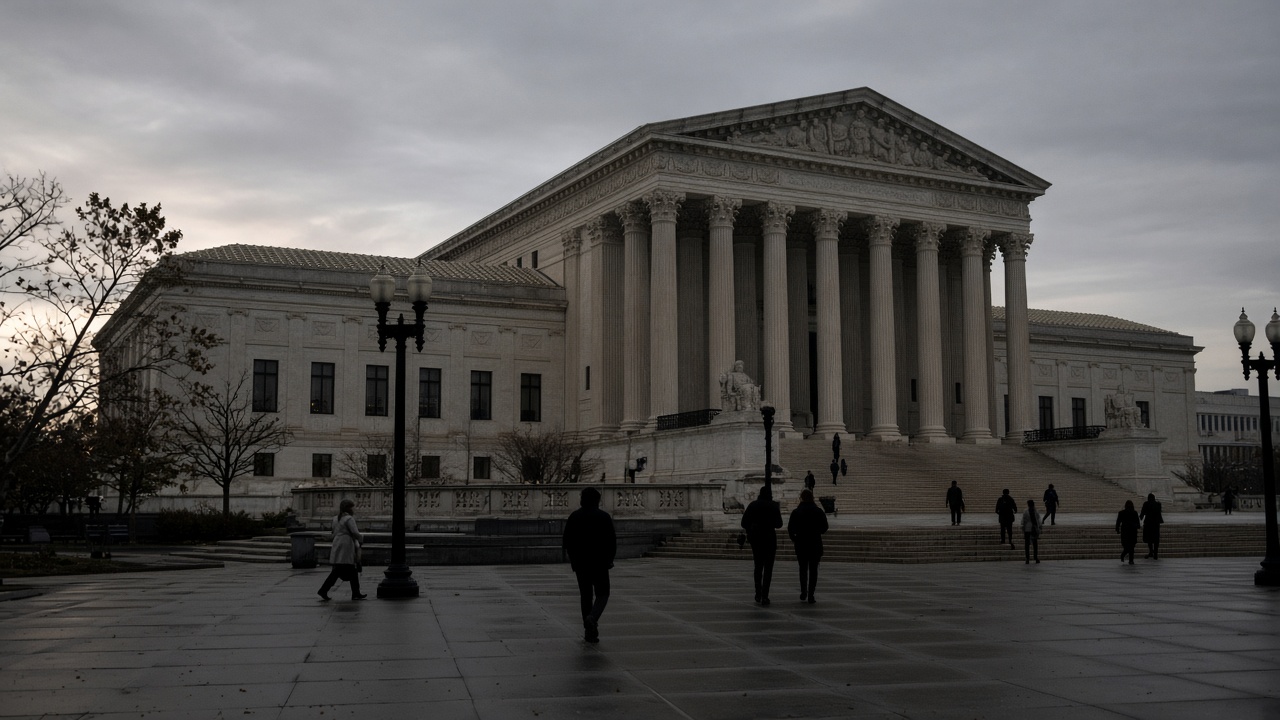
The U.S. Supreme Court on Monday rejected an emergency application from the Justice Department that sought to force California officials to set aside mail-in ballots tied to more than 20,000 registered voters the administration said might not be citizens. The unsigned, one-sentence order gave no explanation, a common practice when the court acts under its emergency docket.
What the administration asked for
Solicitor General D. John Sauer told the justices that once California commingled the challenged ballots with lawful ones, there would be no practical way to retrieve them. The department had accused the state of keeping as many as 190,000 ineligible names on its rolls before revising the figure to 20,000 and filing suit after early voting was already underway.
Federal lawyers argued the state should withhold ballots from that narrower list while courts weighed citizenship challenges. California, led by Democratic officials, countered that the demand amounted to pre-election interference and that the underlying lists were unreliable.
Lower courts had already said no
U.S. District Judge David Carter in Los Angeles refused last week to order seizure of the ballots. Carter wrote that the department’s actions fit a broader pattern of attempted election interference by federal officials. On Monday, Judge James Boasberg in Washington ruled against the administration as well, calling the non-citizen rolls “flawed.”
The Supreme Court’s brief denial left those findings in place hours before polls opened Tuesday for midterm elections in which control of Congress is at stake. President Donald Trump’s Republican Party faces competitive House and Senate races, and Trump has spent months warning of fraud without providing evidence that would change statewide outcomes.
Parallel fights in Nevada and Alaska
A similar dispute in Nevada saw the administration’s initial claim of 16,000 non-citizen voters shrink through state verification to 185 and then to zero, according to court filings cited in Monday’s reporting. In Alaska, a federal judge over the weekend dismissed a separate Justice Department request to block certification of a Senate race if the Democratic candidate won, after the department argued that a second candidate named Dan Sullivan could siphon votes from the Republican incumbent.
Research on U.S. elections consistently finds that in-person and mail fraud cases exist but remain rare relative to tens of millions of ballots cast, and isolated incidents have not flipped federal results.
What happens next
With the emergency application denied, California will continue counting mail and in-person votes under its existing procedures. Litigation over voter-roll maintenance may continue after Election Day, but Monday’s order removes the highest-court avenue the administration pursued on the eve of voting.
State election officials in California reiterated that eligible voters who returned ballots on time would see them processed. Watchers in both parties said they would monitor tabulation and any post-election challenges in state and federal courts, though the Supreme Court’s silence offered no new legal hook for Tuesday morning.