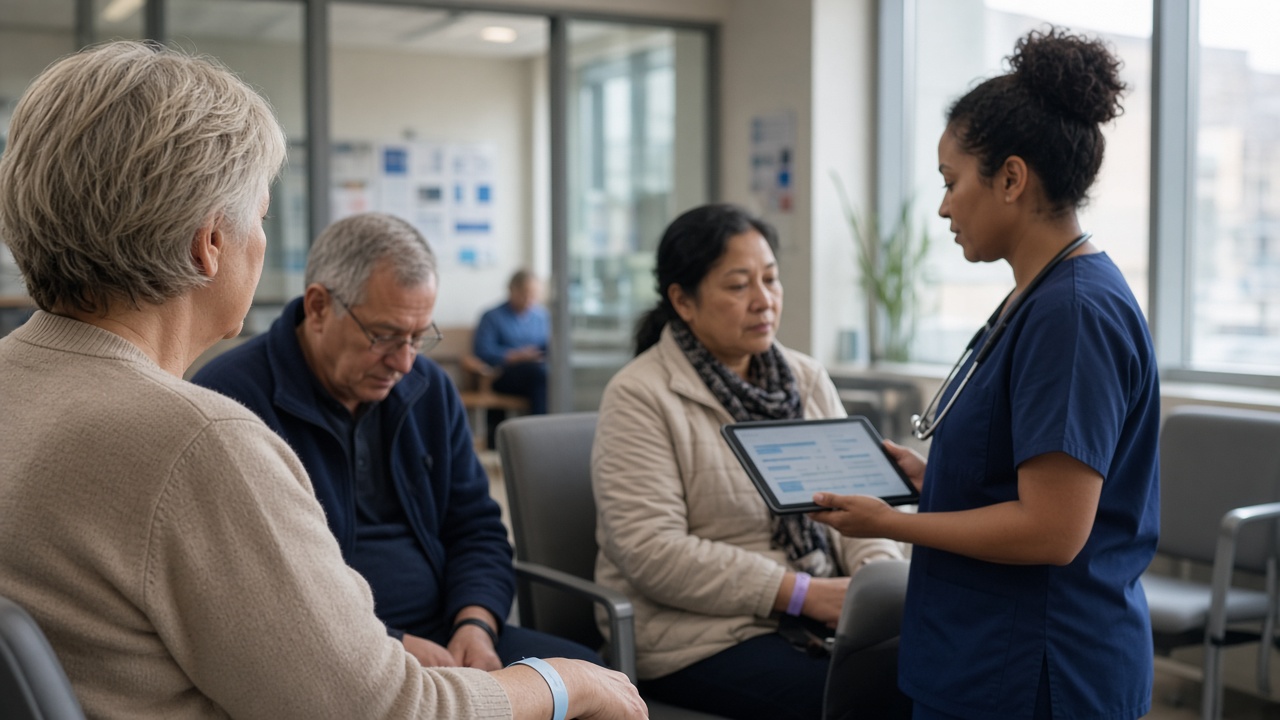
Ajou University Hospital expanded enrollment in a long-COVID fatigue cohort that pairs clinic visits with wearable blood-oxygen and heart-rate variability feeds, helping staff prioritize rehabilitation slots for patients whose home metrics flag persistent autonomic dysfunction months after acute infection.
Study design
Participants wear consumer-grade bands synced nightly to a research portal stripped of identifying metadata for analysis. Clinicians review rolling seven-day averages before scheduling graded exercise sessions. The protocol avoids claiming diagnostic certainty; wearables screen for patterns warranting cardiopulmonary tests.
Patient experience
Recruiters said many patients are office workers in Suwon and Anyang reporting brain fog and post-exertional malaise. Wearables reduce diary fatigue but introduce device-charging burdens older patients find annoying. Translators assist migrant workers enrolled through community clinics.
Clinical goals
Researchers hope to predict who benefits from early pulmonary rehab versus cognitive pacing programs. Blood-oxygen dips during sleep correlate with some fatigue scores but not all, suggesting multi-factor pathways. Ajou teams collaborate with sports medicine on supervised treadmill protocols.
Data governance
Ethics boards required local storage and deletion timelines after study completion. Patients can withdraw and wipe feeds. Commercial wearable vendors signed data-use agreements prohibiting marketing contact. Ministry grants fund servers but not device giveaways indefinitely.
Policy relevance
National post-COVID clinics face long waits; triage tools may spread if peer review validates metrics. Insurers question reimbursement for wearables absent clear outcomes. Public health officials watch for equity gaps if only tech-savvy patients enroll.
Next steps
Interim results may publish next spring if enrollment hits targets. Ajou plans tele-rehab modules for patients whose commutes limit onsite visits. For long-haulers, the study offers structured follow-up even if wearables ultimately prove only modestly predictive.
Rehab staffing
Physical therapists at Ajou said wearable prescreening reduced no-show rates because patients received reminders when overnight oxygen trends looked unstable. Staff still perform in-person auscultation before graded exercise tests. The hospital hired two additional counselors to handle mental health comorbidities common in long-COVID referrals.
Scaling questions
If metrics prove useful, regional public hospitals may adopt lighter versions without full research consent workflows. Ministry officials asked whether national insurance could reimburse wearable rentals during rehab blocks. Privacy advocates want opt-in defaults and clear deletion policies before any nationwide rollout.
Family caregivers
Study coordinators trained family members to help patients charge wearables and spot skin irritation from tight bands. Caregiver burnout scores are secondary outcomes researchers track because home monitoring shifts work onto households. Social workers connect enrolled patients to employer leave counseling when fatigue affects job performance.
Peer review path
Investigators target a mid-2027 journal submission if wearable triage cuts time-to-rehab enrollment without increasing adverse events during exercise tests. Ajou’s IRB will reconsent participants if the protocol adds mental health modules. Hospital administrators view the study as a differentiator for its post-COVID clinic brand in a crowded greater Seoul market.