Balfour Beatty signed a revised HS2 tunnelling package worth about £900 million on Monday, locking in earthworks and lining work on a Midlands segment that had been stuck in procurement limbo since spring. HS2 Ltd said the deal keeps a winter breakthrough target for the Birmingham spur intact, but contractors still face tight milestone payments if inflation on steel and concrete outruns the indexation clause.
What changed in the contract
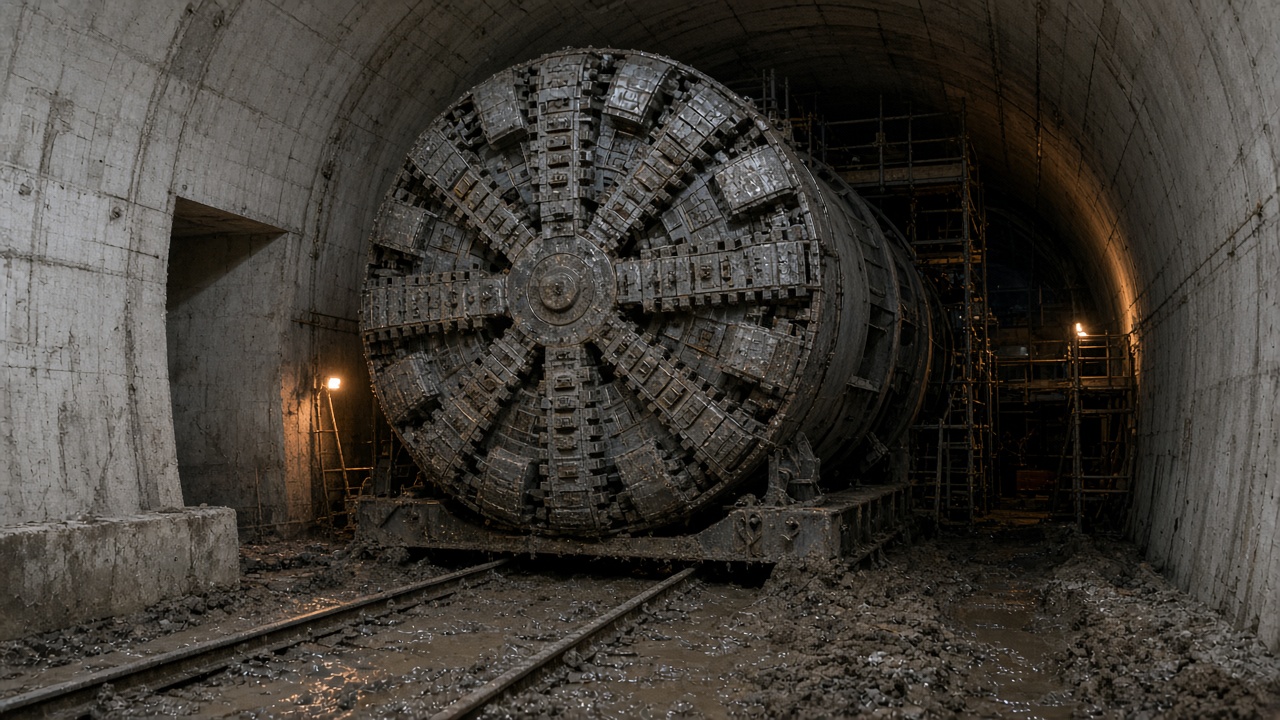
The new schedule splits the package into three tranches tied to ring-build rates and grout quality, rather than a single lump sum that had left both sides arguing over risk sharing. Balfour Beatty will deploy a second backup boring machine if the primary drive falls more than six weeks behind, a concession HS2 Ltd resisted until July when ground surveys showed variable chalk bands.
Union officials at the Unite construction desk said the agreement preserves roughly 1,200 site roles through 2027, though sub-contractors on ventilation shafts still lack visibility on follow-on orders. A spokesperson for HS2 Ltd said payments would track verified metres lined, with independent engineers signing off each 500-metre block.
Why suppliers are watching cash flow
Major civils groups entered the autumn with higher working-capital needs after the government slowed discretionary road schemes in the March capital review. For Balfour Beatty, the HS2 award adds backlog but also front-loads equipment leases on the tunnel drives. Analysts at Jefferies noted that any delay in milestone receipts would hit free cash flow before the group’s year-end update in December.
Steel rebar quotes on long-lead orders have drifted higher since September, and HS2’s indexation only partially passes those moves to the contractor. Balfour Beatty told investors in an August trading statement that it would renegotiate pass-through terms on mega-projects rather than absorb commodity spikes.
Political timing
The signing lands the week Rachel Reeves prepares a pre-budget message on tax and spending, when Labour backbenchers are sensitive to any hint of rail overspend. Downing Street has framed HS2 as a jobs anchor in the Midlands, even as Treasury officials privately press for sharper contingency cuts on surface sections.
West Midlands Mayor Andy Street’s successor at the combined authority said the tunnelling award should accelerate utility diversions under central Birmingham, where merchants have complained about prolonged street closures. HS2 Ltd maintains that surface works will not restart until tunnel ventilation shafts pass fire safety commissioning.
What happens next
Ground engineers will resume probe drilling on two fault lines flagged in May, and HS2 Ltd expects to publish a quarterly cost report alongside the December OBR cycle. If chalk water ingress worsens, the backup machine clause triggers automatically, adding cost but avoiding a full programme slip.
For shareholders, the immediate question is whether Balfour Beatty can hold its guided margin on transport work while Sage Group and other domestics struggle with slower corporate IT spending. Construction order books look solid; converting them into cash without rights issues remains the harder test through winter.
Supply chain and local hiring
Concrete batching plants near the drive site extended shifts to stockpile lining segments before frost sets in, while hauliers from Derbyshire won renewed wheel-wash contracts to keep mud off A-roads. HS2 Ltd’s community liaison team scheduled extra drop-in hours in Warwickshire after residents complained about night-time lorry noise when the backup machine clause was disclosed.
Small steel fabricators said payment terms improved from sixty to forty-five days under the revised package, a concession Balfour Beatty negotiated to keep specialty welders on the job. Without that change, two subcontractors told InfoHandle Network they would have redeployed crews to offshore wind jacket work on the Humber.
Institutional holders will parse Balfour Beatty’s next trading update for any margin guidance revision tied to HS2 contingencies. For now, the award signals that mega-project work still exists in Britain even as ministers trim other capital lines.