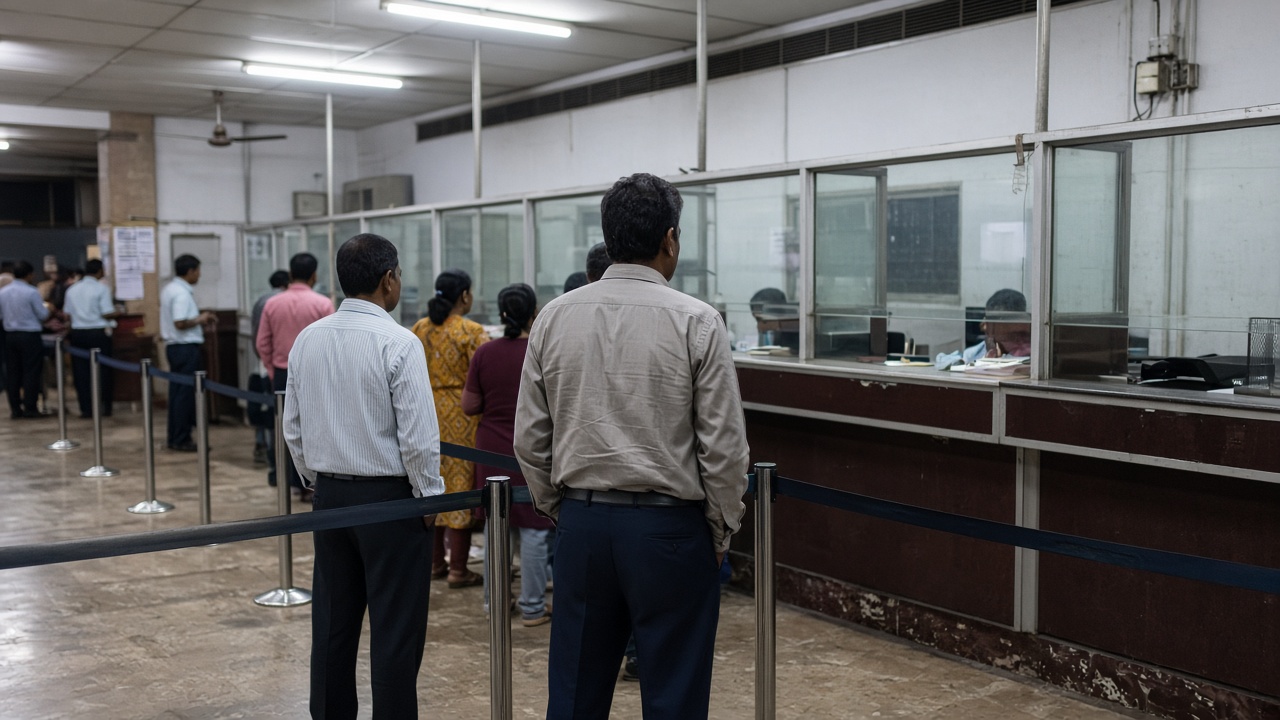
Bank of India rolled out revised fixed-deposit pricing for November, highlighting a 500-day Star Akshay scheme that pays 7.5 percent annually to super-senior citizens, as lenders compete for sticky retail liabilities while keeping card reward costs disciplined into the festive quarter. The state-owned bank’s notice, effective this week, lands alongside broader market chatter about SEBI’s capital-gains proposals rather than any change to RBI’s 6 percent repo rate, meaning deposit pricing still reflects margin pressure on the asset side more than policy easing.
Rate table highlights
Senior citizens below the super-senior age band receive slightly lower tenures on the same Star Akshay bucket, while general customers see sub-7 percent offers on shorter maturities under one year. Bank of India also tweaked bulk deposit breakpoints for corporates, though retail readers focus on the super-senior headline competing with HDFC Bank and SBI promotional tenures in the 400-day range.
Relationship managers said Diwali cash inflows typically rotate into tax-saving instruments and gold before a slice returns to ladders in January; the 500-day maturity captures the next fiscal’s TDS planning for pensioners relying on interest income.
Card desk context
While this story sits on the credit-cards desk because household balance sheets mix liabilities and savings, issuers have been trimming reward accelerators after UPI-heavy festive spend blew through promo budgets on several private labels. A higher FD rate indirectly reduces the appeal of leaving idle balances in zero-interest current accounts linked to premium cards. Bank of India’s co-branded card portfolio is smaller than private peers, so the deposit push is largely funded from branch networks in tier-two cities where public-sector trust still drives rollover behaviour.
What to verify before booking
Premature withdrawal penalties and auto-renew clauses differ by channel: internet banking sometimes offers a basis-point sweetener over branch walk-ins. Depositors should match tenure to cash needs because breaking a 500-day contract early converts accrued interest to the lower savings rate. For now the institutional takeaway is straightforward: liability desks are still paying up for retail money even as equity markets rally on tax-cut speculation foreign portfolio investors may never fully believe until flows turn positive two weeks in a row.
Comparison with peers
SBI and Canara Bank advertised similar super-senior tenures within ten basis points, so Bank of India’s 7.5 percent headline is competitive rather than market-leading. Wealth desks still steer ultra-high-net-worth clients toward sovereign bonds and tax-free instruments, leaving these retail ladders to branch-led households.
Credit-card linkage
Cardholders who park statement payments in linked savings accounts before autopay dates rarely beat FD yields after accounting for revolving interest on partial payments. Financial literacy cells in BoI branches plan short modules explaining that trade-off during Diwali camp drives.