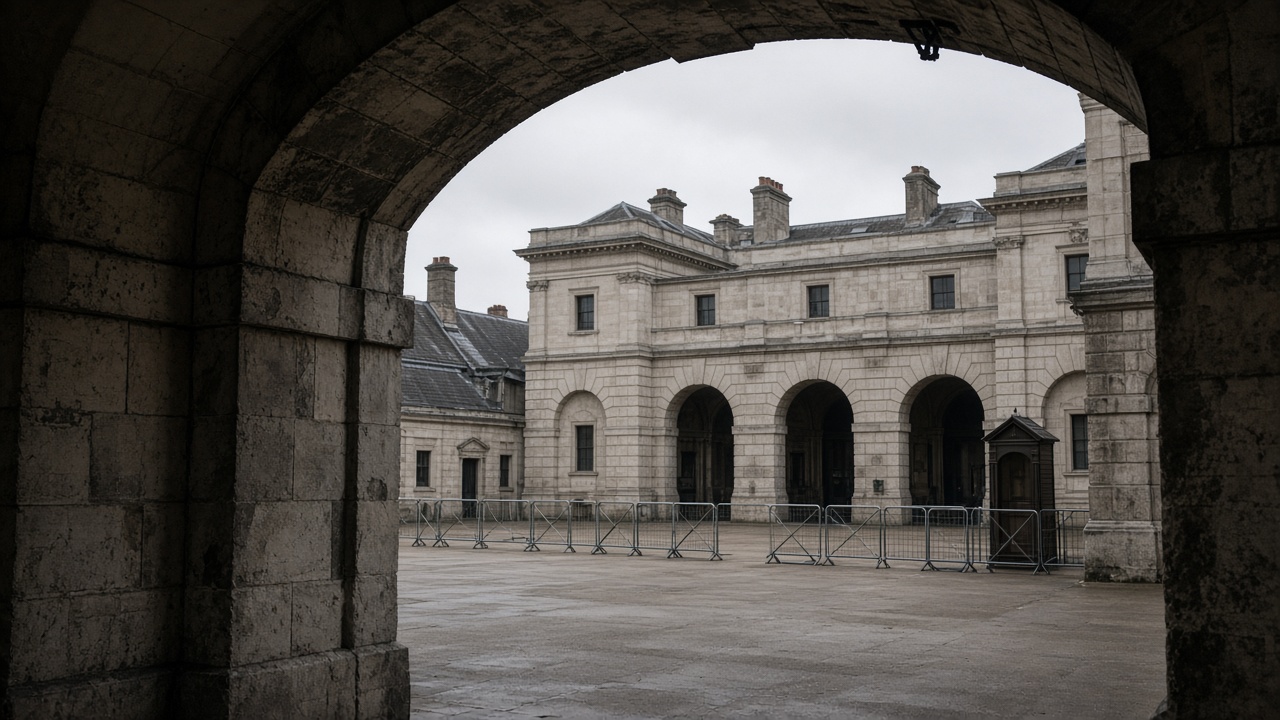
Rachel Reeves will deliver a televised fiscal address from the Treasury’s Horse Guards briefing room on Tuesday morning, using a format reserved for major economic shocks to prepare voters for tax and spending choices in her late-November statement. Downing Street said the speech will not include new policy numbers but will explain why the Office for Budget Responsibility is expected to downgrade productivity forecasts, widening the fiscal gap ministers must close.
Why the format is unusual
Chancellors typically reserve broadcast slots for Budget day itself or emergency banking interventions. Treasury officials argued that months of leaks and conflicting briefings forced them to set out principles—debt reduction, NHS protection, cost-of-living help—before MPs return to speculation.
Keir Starmer will introduce the remarks briefly, reinforcing that manifesto promises on income tax, VAT, and employee national insurance must be read alongside threshold decisions that raise effective rates.
What Reeves is expected to say
Extracts briefed to broadcasters say Reeves will acknowledge that threshold freezes through 2030 remain on the table, alongside targeted charges on wealthier estates and capital gains. She will not confirm specific rate moves, but will argue that inaction would push gilt yields higher, feeding through to mortgages.
The Institute for Fiscal Studies asked for distributional tables alongside the speech; Treasury press officers declined, citing pending OBR certification.
Political reaction
Conservative shadow chancellor Jeremy Hunt said televised addresses without numbers are “ theatre without accountability.” Liberal Democrat Treasury spokesperson Sarah Olney urged Reeves to protect school capital budgets. SNP Westminster leader Stephen Flynn repeated calls for oil revenue assumptions to be revised.
Labour MPs in marginal seats worry about backlash if income tax rates rise after repeated pledges; whips scheduled regional media hits after the broadcast to stress NHS and infrastructure spending tied to any tax increases.
Timeline to the statement
The OBR receives final policy costings next week, with the formal statement scheduled for 26 November. Markets will watch Thursday’s Bank of England decision for signals on whether fiscal loosening forces higher rates for longer—a tension Reeves’s speech is unlikely to resolve without hard figures.
Broadcast logistics
Pool cameras from BBC, ITN, and Sky will carry the address live, with sign-language interpretation mandated after complaints about prior fiscal broadcasts. Downing Street rejected opposition demands for immediate questioning, saying Reeves will face MPs in the Commons later in the week.
Treasury civil servants rehearsed the set over the weekend, replacing a glass backdrop that caused glare during test shoots—a mundane detail that nonetheless delayed Sunday tours for tourists near Horse Guards.
Economic backdrop
Sterling traded flat against the dollar ahead of the speech, suggesting traders wait for numbers. Services inflation remains sticky, complicating any Bank of England cut path even if growth flatlines.
Business groups from the CBI to the Federation of Small Businesses requested early sight of capital allowance plans; Treasury declined, fuelling frustration among manufacturers investing in factory electrification.
International watchers
IMF staff visiting London this month will hear the same themes privately; foreign holders of gilts care about debt sustainability more than broadcast production values. Reeves’s team scheduled calls with major insurers after the speech to reassure on index-linked supply.
Labour’s 2024 manifesto promised stability; Tuesday’s address is an attempt to re-anchor that promise before hard numbers land.
Media handling
Downing Street booked regional broadcasters for pooled clips after the address, aware that London-focused coverage alone will not sell tax choices in Red Wall seats. Treasury special advisers rehearsed Q&A cards on threshold freezes versus rate rises, the tension likely to dominate clips even without new numbers.
Scottish Government finance secretary Shona Robison said any UK tax moves on North Sea profits must respect devolved borrowing rules, adding another federal dimension Reeves is unlikely to resolve on Tuesday.