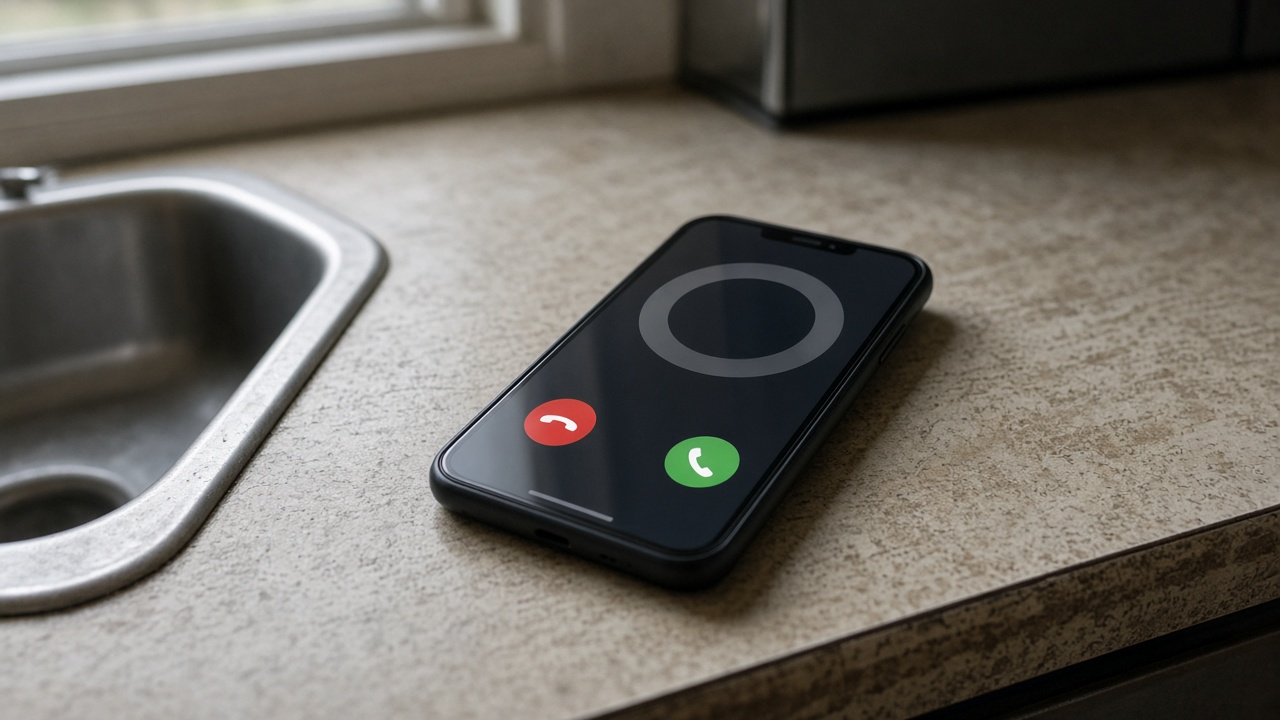
Federal regulators warned Monday that scammers are impersonating Federal Trade Commission staff, telling targets their phone numbers were used in overseas fraud schemes and steering them toward fake law enforcement officers who demand immediate payment.
How the script unfolds
The call usually opens with an unsolicited claim that a mobile line registered in your name is tied to criminal activity abroad. The impostor offers a badge number and proposes a transfer to a “police department” handling the case. If you push back, the caller may threaten to deactivate your number; if you agree to verify independently, they may tell you exactly what to search online so you dial a number they control.
Once a fake officer is on the line, victims are asked for identification photos, told to keep the investigation secret, and warned they face arrest unless they pay a “security deposit” via gift cards, wire transfer, or cryptocurrency. The FTC emphasizes that real employees never demand money, never threaten to shut off phone service, and never text photos of ID badges as proof.
What to do on the call
Hang up without pressing extensions or calling numbers the caller supplies. If you worry a federal agency truly needs you, initiate contact using contact information you find on an official .gov site — not a search term the caller dictated. Do not email pictures of your driver license, passport, or Social Security card to anyone who reached you first.
If you already sent money or documents, document the transaction and file at ReportFraud.ftc.gov. Contact your bank or gift-card issuer immediately; recovery windows are short once wires leave the US. Place a fraud alert or credit freeze with the three major bureaus if you shared identifying data.
Why your number is the hook
Using your own phone number as the alleged crime tool makes the story feel personal and urgent. Carriers cannot instantly confirm whether a number was “used overseas,” which gives scammers room to improvise. Remember that caller ID can be spoofed to display “FTC” or a local police department even when the call originates abroad.
Share the pattern with relatives who may not read consumer alerts: the FTC will not cold-call to accuse you of international wire fraud, and any demand for secrecy plus payment is the entire scam, not a step in a real investigation.
Parallel scams to recognize
The FTC is also collecting public comments through Nov. 30 on whether social platforms should vet advertisers before publishing impersonation ads that mimic banks or agencies. That rulemaking is separate from the phone scam but shares the same tactic: borrow trust from a familiar institution, then move the conversation to channels the institution does not monitor.
Older adults report higher median losses on government imposter calls, but the overseas-phone-number angle is reaching working-age professionals who answer unknown numbers during remote work days. Carriers offer scam blocking apps, yet none catch every spoofed caller ID.
Documenting a report
When filing at ReportFraud.ftc.gov, include the number that appeared on caller ID, the callback number you were given, and any gift-card serial numbers if payment was requested. Local police may take an informational report even when jurisdiction lies overseas; those reports help federal agents spot clusters.
If you verified a fake police department by searching online, note the search term the scammer suggested. Investigators use those phrases to get fraudulent sites removed from search results faster.
Wireless carriers can block known fraud ranges when you report them, but repeat offenders rotate numbers daily. Turning on silence-unknown-callers features reduces exposure at the cost of missing legitimate callbacks from doctors or delivery drivers, so pair blocking with voicemail prompts that tell trusted contacts to leave a message.
Credit unions and community banks report members forwarding scam voicemails that mimic fraud department callbacks; treat any unsolicited return call the same way as the original threat.