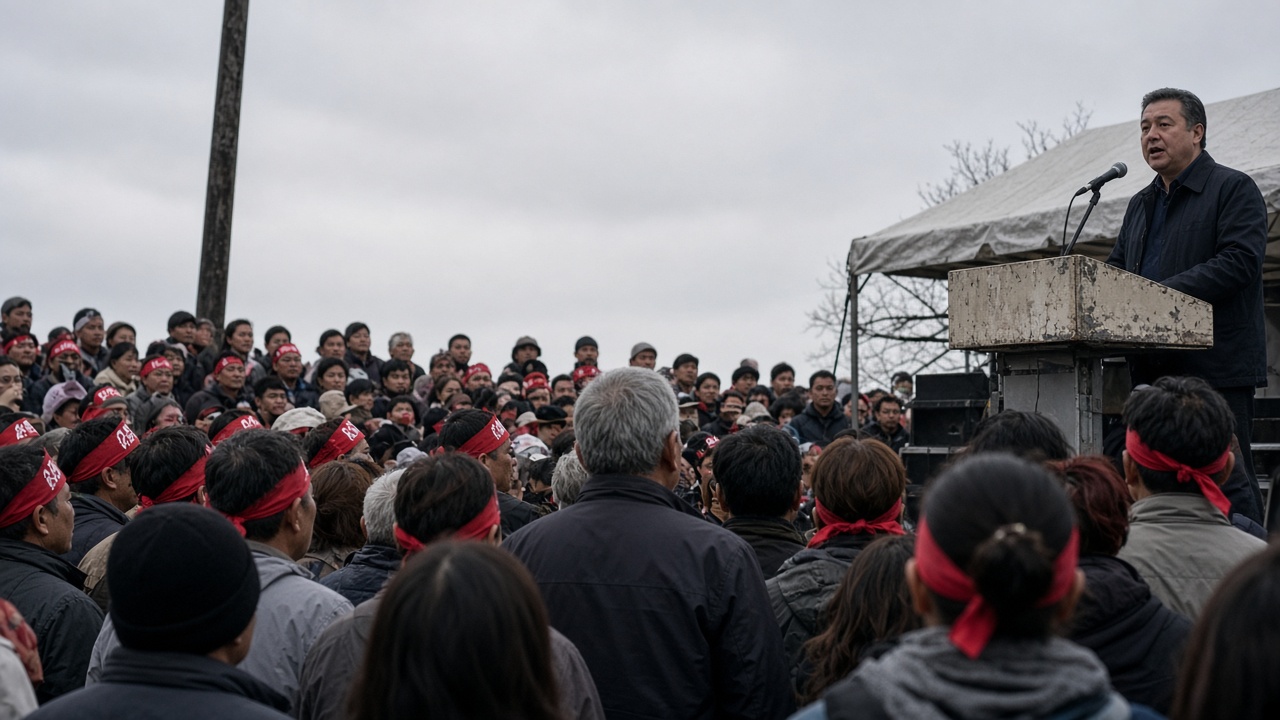
Former farm minister Kazuo Yana is facing scrutiny after distributing free headbands at a campaign kickoff ceremony in his constituency ahead of Japan’s February general election, people with knowledge of the matter told Kyodo News on Tuesday. The gesture has triggered questions about whether it crossed a bright line in the Public Offices Election Act against providing gifts or benefits to voters.
What happened at the rally
According to Kyodo’s sources, Yana gave away headbands during the opening event for his re-election push. The law bars candidates and their camps from offering items that could be read as inducements, even when the goods are inexpensive or branded with a campaign message. Legal experts quoted in past election cases note that the statute does not list a price threshold; intent and context matter, which is why prosecutors and election boards often struggle with promotional trinkets.
Yana resigned as agriculture minister earlier this year amid a scandal over misused political funds, a backdrop that amplifies any new compliance question. Opposition lawmakers were quick to argue that a former cabinet member should know the difference between rally merchandise sold to supporters and items handed out for free to anyone in the crowd.
Why headbands land in a legal gray zone
Japanese campaigns are visually loud—sound trucks, banners and matching accessories are routine. The dispute is not about visibility but consideration: whether a free headband functions as a “gift” under Article 142 of the election law. Investigators will likely examine who received the bands, whether they were limited to registered supporters, and whether Yana’s staff tracked distribution.
Local election administration commissions can refer suspected violations to prosecutors. Penalties range from fines to, in serious cases, imprisonment and the loss of office. Even a preliminary probe can shadow a candidate through the official campaign period, which opens weeks before voters cast ballots for the House of Representatives.
Politics and the February clock
Prime Minister Sanae Takaichi’s Liberal Democratic Party is preparing for a contest that will test whether the government’s economic message can overcome recent fund scandals that have touched multiple ministries. Yana’s case is a reminder that household-name politicians remain exposed on compliance minutiae even when national debate focuses on security and prices.
His constituency team has not, in Kyodo’s Tuesday report, published a detailed rebuttal. If prosecutors open a formal investigation, Yana would join a long list of lawmakers whose careers hinged on whether a giveaway was treated as harmless swag or an illegal benefit.
With the election still weeks away on the calendar, Tuesday’s disclosure puts election boards on notice and gives rivals a concrete ethics attack line. The headbands themselves may be forgettable; the legal test is whether anything of value changed hands when Yana’s rally got underway.