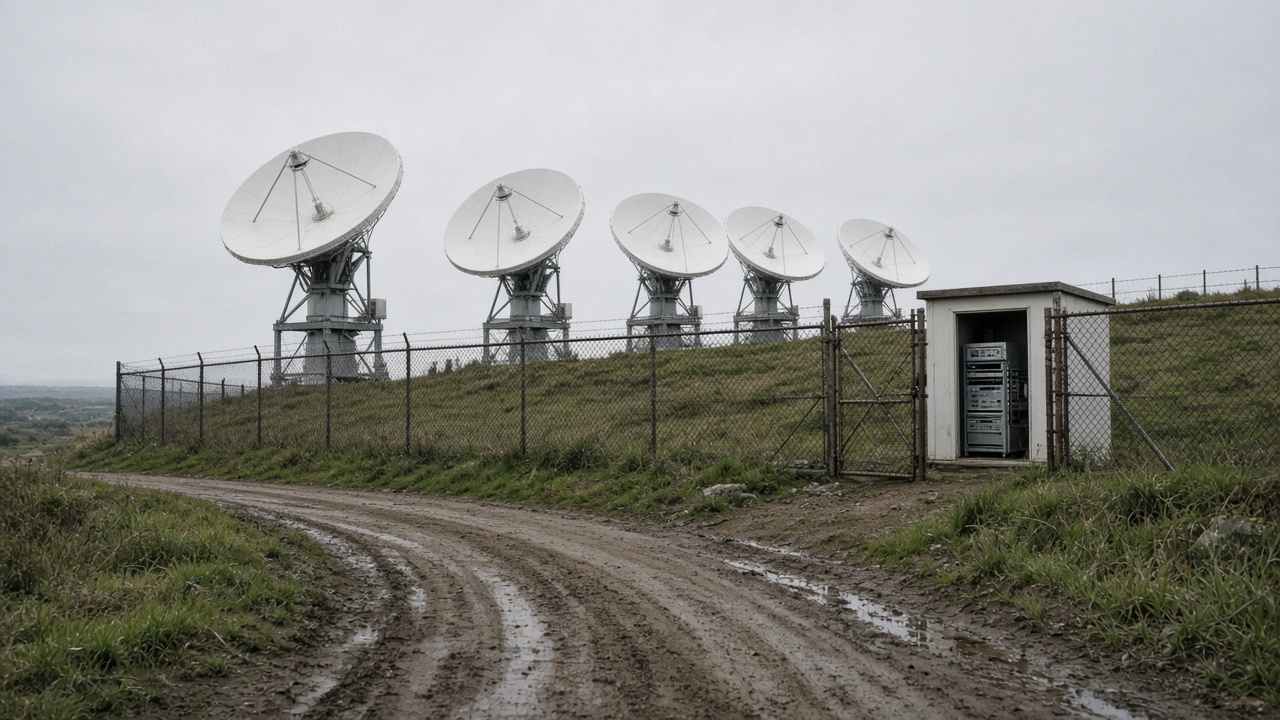
KT Sat handed over a low-Earth-orbit telemetry gateway at its Yeoju earth station Monday after a month-long acceptance run with two domestic constellation operators, giving Korea a commercial downlink site that previously relied on overseas partner stations for time-critical passes. The milestone matters for startups pitching sovereign space data routes to government buyers.
Technical acceptance
Engineers logged pass continuity, bit-error rates, and handover timing between the new gateway and existing geostationary links. Acceptance criteria required three consecutive weeks without unplanned outages during morning pass clusters. KT Sat said redundant power and fiber paths were tested under simulated storm conditions after typhoon season lessons from 2025.
Customer impact
Constellation operators can now schedule domestic downlinks for Earth-observation and IoT payloads without booking foreign gateway slots priced in dollars. Ministry officials view the site as alignment with Korea’s space economy roadmap, though capacity remains modest compared with global ground-station networks. KT Sat plans tiered pricing by pass duration and priority.
Regulatory clearance
Spectrum agencies cleared the gateway frequencies after interference studies with neighboring broadcast earth stations. KT coordinated with the science ministry on export-control checks for encryption modules handling defense-adjacent payloads. Civil operators receive standard commercial terms; classified payloads remain on separate government gateways.
Competitive context
Global ground-station vendors operate hubs in Singapore and Australia that compete for Asia-Pacific passes. KT argues domestic latency and won billing help Korean startups win public procurement. Hanwha Systems and other incumbents partner for defense missions but rarely sell commercial LEO time to startups.
Investment and ops
KT Sat capex for the gateway was modest relative to fiber upgrades, but recurring maintenance contracts with rural technicians near Yeoju add opex. Investors treat the project as optionality on space revenue rather than a near-term earnings driver. Success metrics include utilization rates on morning passes when weather allows.
Next steps
KT Sat will add a second antenna pad if utilization crosses seventy percent for two quarters. Operators asked for API hooks into national weather feeds to auto-reschedule passes during heavy rain. For Korea’s space startups, Monday’s handover is the difference between demo flights and service-level agreements that cite domestic data residency.
Rural infrastructure
Yeoju city officials said the earth station upgrade required road widening for oversized antenna deliveries, a municipal project coordinated with KT’s timeline. Local residents received noise briefings about motor drives tracking satellites at dawn passes. Fiber backhaul crews spliced new strands along existing utility poles to reach the gateway shelter without trenching farmland.
Export potential
KT Sat marketing teams pitched the gateway to Southeast Asian constellation startups seeking backup downlinks outside typhoon-prone coastal sites. Pricing remains negotiable; anchor tenants this year are domestic. Ministry trade attachés mentioned the site in Busan semiconductor week side conversations as an example of dual-use infrastructure that stays commercially booked.
Service-level agreements
Anchor tenants signed SLAs specifying maximum pass setup time and refund credits for missed downlinks caused by gateway faults. KT Sat’s network operations center in Gwacheon will monitor alarms jointly with customer mission control teams via shared chat bridges during critical launches. Insurance underwriters reviewed business continuity plans tied to the Yeoju site before approving reduced premiums versus foreign-only gateway strategies.
Weather and maintenance
Winter snow at the Yeoju hilltop site requires heated radomes and snow-load checks on dish mounts; maintenance crews stockpiled spare actuators after last season’s freeze delays. KT Sat included weather downtime clauses in SLAs so customers know passes may reschedule during ice storms without penalty if alternatives exist on partner gateways.
Backup routing
Customers retained overseas gateway slots as hot standby, a redundancy KT Sat marketed to defense-adjacent payloads that cannot miss passes during Korean holidays when staffing thins.
Seoul analysts said the development fits the Monday morning news cycle but leaves follow-up disclosures to official channels rather than speculation in online forums.
Trading desks noted liquidity remained normal outside the affected product line, suggesting investors treated the headline as idiosyncratic rather than systemic for the brokerage sector as a whole.