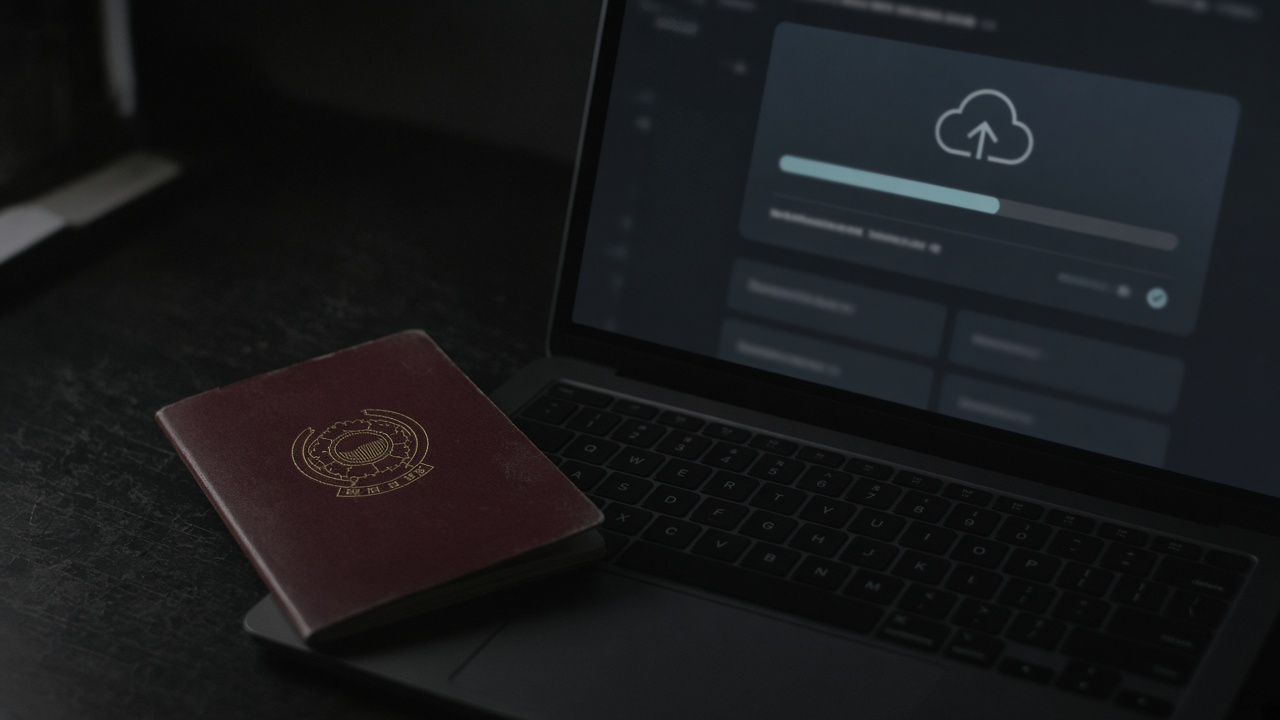
South Korean police opened a formal criminal investigation Tuesday into how a presidential aircraft passenger list—with passport numbers and birth dates for 168 people, including President Lee Jae Myung and first lady Kim Hea Kyung—ended up on a public malware-scanning platform for roughly five months. Officials describe the episode as an internal mishandling case rather than an external hack, but the exposure touches the Blue House, the Foreign Ministry and the security detail that travels with the head of state.
What was exposed and when
According to the Korean National Police Agency and Foreign Ministry briefings reported by Yonhap News Agency and JoongAng Ilbo, a file titled along the lines of “Passenger list (South Korea–Belgium)” was uploaded to VirusTotal on June 2. The Google-run service lets paid members and partner antivirus firms download submitted files while checking them for malicious code.
The document listed names in Korean and English, affiliations, job titles, dates of birth, passport numbers and issuance and expiration dates. Yonhap said the roster included Cabinet ministers, Blue House staff, Foreign Ministry protocol officers, Presidential Security Service agents and journalists traveling on the presidential plane ahead of Lee’s June 9 departure for Belgium, Italy and France, including the Group of Seven summit circuit.
KBS, which alerted the presidential office after verifying portions of the data, reported that the file remained accessible for about five months before takedown requests succeeded. The Foreign Ministry said Tuesday it had the material removed and saw no evidence yet that the information spread further, though investigators cautioned that downloads through VirusTotal are difficult to trace retroactively.
How agencies are responding
Foreign Ministry spokesperson Park Doo-soon told reporters the ministry requested investigations as soon as it confirmed the leak and is coordinating with police. The ministry is running its own review of protocol-office document handling and reissuing passports for everyone affected, including senior officials and spouses.
Cheong Wa Dae said Chief of Staff Lim Kwang-hyun chaired an emergency meeting Tuesday after Lee ordered a thorough review of how the upload happened, how widely the file could have been retrieved and whether any fraud followed. The Personal Information Protection Commission received a formal report and said it would verify details before deciding on administrative steps.
Police moved from a preliminary inquiry to a full investigation by the cyberterror unit, signaling that prosecutors could eventually pursue charges if they identify who uploaded the manifest and whether that person had authority to use VirusTotal for official documents.
Why the leak matters beyond passports
Reissuing passports closes one door, but the list also mapped who would be inside the presidential bubble during a high-security European trip—medical staff, security officers and working-level aides whose movements are usually opaque. Security analysts note that even non-classified travel manifests help adversaries time surveillance or social-engineering attempts.
Because officials believe the upload occurred during a malware scan workflow—not through a breach of a foreign intelligence service—the case will turn on civil-service discipline, email forwarding habits and whether contractors had access to protocol-office shares. That narrative is less cinematic than a hacker collective, but it is equally damaging for a president who campaigned on competent governance.
With police now treating the VirusTotal posting as a criminal matter, the next beats are forensic: which device exported the file, which account paid for the scan and whether similar manifests were uploaded elsewhere. Until those questions are answered, Seoul’s overseas travel machine will face tighter pre-flight checks—even if the June trip itself unfolded without public incident.