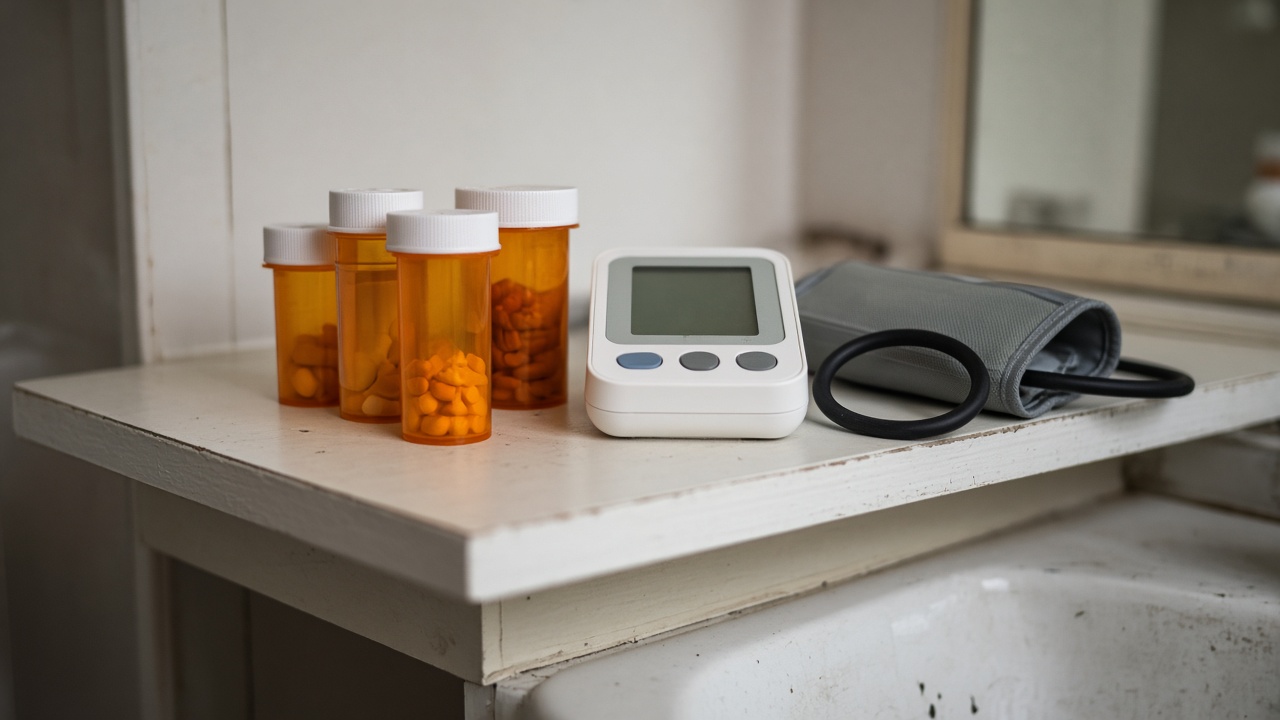
Macleods Pharmaceuticals expanded a voluntary recall of combination blood pressure tablets after FDA testing found the pills failed dissolution specifications, meaning they may not deliver olmesartan, amlodipine, and hydrochlorothiazide at the rate needed to control hypertension.
Which bottles are affected
The recall covers Olmesartan Medoxomil, Amlodipine, and Hydrochlorothiazide Tablets at 40 mg/10 mg/12.5 mg strength. USA Today reported 3,528 thirty-count bottles with NDC 33342-246-07, lot 12251163A, expiration 05/31/2027, plus 216 ninety-count bottles with NDC 33342-246-10, lot 12251163B, same expiration. Brand-name Tribenzor is not part of the recall, but patients who switched to generics should compare imprint codes and lot numbers on their labels.
Macleods first initiated the pull on Oct. 7. FDA classified it as Class II on Oct. 26, signaling temporary or medically reversible harm if the product is used, rather than the highest-risk Class I category reserved for serious injury or death.
What patients should do
Do not stop taking blood pressure medicine without speaking to a clinician. Sudden discontinuation can spike blood pressure or cause rebound effects depending on your regimen. Call your pharmacist with the NDC and lot number from your bottle; they can confirm whether your supply is affected and arrange a replacement from a different lot or manufacturer.
If you have been monitoring at home, keep logging readings until you switch lots. Uncontrolled hypertension raises stroke and heart attack risk over weeks, whereas a dissolution failure is a quality issue that pharmacies can fix by swapping inventory. Bring your pill bottle to telehealth or in-person visits so the prescriber sees exactly which generic you received.
How notices reach consumers
FDA enforcement reports show letters went to wholesalers and pharmacies rather than a standalone consumer press release. That makes pharmacist outreach critical: if you use mail-order refills, check the packing slip lot number against the recall list before opening a new bottle.
Medicare Part D and commercial insurers typically cover therapeutic substitutions at the same tier when a recall forces a manufacturer change. Document any out-of-pocket costs in case your plan requires reimbursement paperwork after a formulary exception.
Why dissolution matters clinically
Dissolution testing measures how fast a tablet releases active ingredients in lab conditions meant to mimic the digestive tract. A failure does not necessarily mean the pill is inert, but it raises the chance that some doses deliver too little medicine across a month of refills. For a three-drug combination treating hypertension, inconsistent release can leave pressure elevated even when patients take pills on schedule.
Pharmacists can often identify an unaffected lot from the same NDC by checking wholesaler inventory before dispensing a replacement. Mail-order patients should not assume a shipment sent after Oct. 7 is automatically safe; verify lot numbers on the bottle you received.
Other recalls on the FDA docket
The week of Oct. 26 brought dozens of drug recalls nationwide, including higher-severity Class I pulls for injectable products unrelated to Macleods. Patients on multiple medications should handle each notice separately rather than stopping everything at once.
Hospital glucose meters faced a separate Class I device recall over scanning errors that could assign results to the wrong patient record; that issue affects inpatient settings rather than home pill bottles but shows how FDA enforcement reports stack up in the same season.
If you use a pill organizer, refill it only after confirming the new lot number with your pharmacist. Mixing recalled and non-recalled tablets in the same compartment makes it harder to return affected stock and confuses home blood-pressure logs you share with your clinician.
Retail pharmacies such as CVS and Walgreens can look up the NDC in their dispensing system and tell you whether your last fill matched the recalled lots, even if you discarded the outer carton.