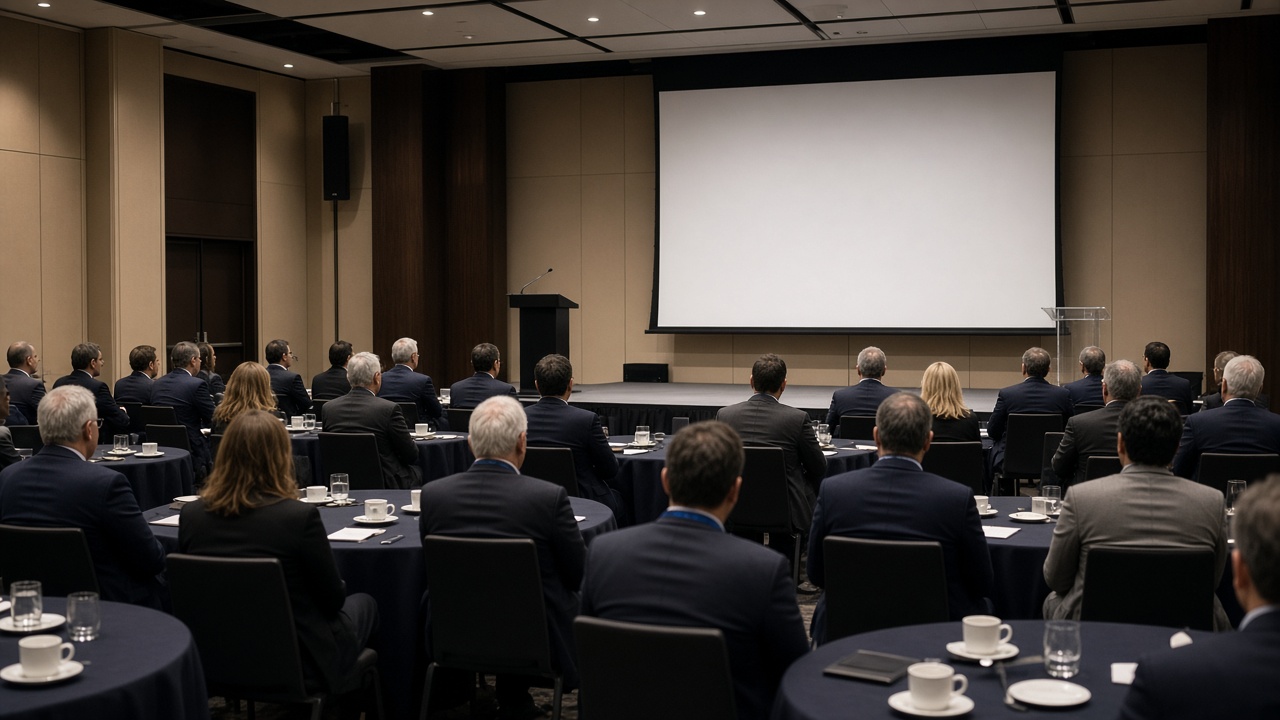
The Ministry of Trade, Industry and Energy opened the Government-Authorities Meeting on Semiconductors in Busan Monday with delegations from Washington, Tokyo, and Brussels, using the annual forum to compare export-control notices and subsidy disclosure rules before Korean fabs expand advanced packaging lines.
Agenda items
Officials circulated draft language on dual-use equipment classifications and timelines for notifying partners when national security reviews delay tool shipments. Korean hosts emphasized transparency on tax credits tied to domestic R&D without naming individual fab projects. U.S. representatives discussed end-use monitoring templates; EU counterparts raised data-privacy constraints on sharing customer lists.
Industry presence
Chipmakers attended closed-door sessions on supply-chain redundancy after recent natural disasters in Asia. Equipment vendors asked for harmonized lead-time reporting when governments invoke foreign direct product rules. Korean startups joined a side panel on open-source design tools subject to emerging controls.
Busan logistics
City officials promoted Busan’s port and packaging cluster as a venue for test shipments under new compliance regimes. Hotels near Haeundae hosted bilateral talks between Korean vice ministers and U.S. trade staff. Security teams restricted media access to plenary halls, releasing only prepared remarks.
Korean stakes
Seoul wants assurance that allied controls will not strand tools already ordered for memory and foundry upgrades. Negotiators linked the talks to broader auto-tariff diplomacy without merging the agendas publicly. Opposition lawmakers argued Korea should publish its own subsidy ledger before asking partners for transparency.
Outcomes expected
Joint statements likely reaffirm cooperation without binding tariff changes. Follow-up working groups will meet quarterly on packaging chemicals and spare-part flows. For Busan, hosting GAMS signals regional ambition beyond shipping; for fabs, the meeting is a temperature check on whether 2027 tool deliveries remain politically feasible.
Side negotiations
Bilateral rooms at the host hotel saw U.S. and Korean staff compare timelines for advanced packaging tool licenses without issuing public commitments. Japanese delegates raised chemical precursor tracking for photoresists shipped through Busan port. EU officials asked how Korea will report state-aid elements when fabs co-finance municipal infrastructure.
Media and secrecy
Reporters received only opening remarks and stock photos; working papers stayed restricted. Protesters outside demanded greater public access to subsidy negotiations, a recurring theme when industrial policy meets national security. Busan tourism officials nonetheless welcomed delegate spending during a slow shoulder season for hotels.
Long-term cooperation
GAMS members agreed to continue sharing best practices on chemical safety data sheets for fab expansions, a mundane but trade-critical topic when ports handle precursor shipments. Korean hosts proposed a working group on packaging test equipment classifications to reduce duplicate inspections. Delegates scheduled a follow-up video conference before year-end rather than waiting for the next in-person summit.
Closing plenary
Delegates ended the opening plenary with a photo ceremony and a brief press statement emphasizing multilateral cooperation without numeric commitments. Korean vice ministers headed to Seoul for budget hearings while foreign delegations toured Busan packaging labs. Markets treated the event as symbolic reassurance rather than a catalyst for near-term stock moves.
Fab linkage
Korean chipmakers used hallway conversations to ask U.S. counterparts about license turnaround times for advanced packaging tools already ordered for 2027 lines. EU delegates raised carbon disclosure rules that could affect Korean exports of memory modules assembled with coal-heavy grid power unless renewable contracts accelerate. MOTIE staff collected questions for a follow-up FAQ aimed at small suppliers confused by dual-use vocabulary in recent control notices.
Security perimeter
Busan police closed adjacent streets during delegate arrivals after standard summit security assessments. Cyber teams monitored phishing attempts impersonating GAMS registration portals, a routine hazard at international industry forums. Hosts provided secure Wi-Fi with mandatory certificate installs for attendees accessing draft documents.
Local suppliers
Busan component vendors staffed booths describing lead times for packaging materials, hoping GAMS visibility accelerates customs pre-clearance for precursor chemicals arriving by container.
Seoul analysts said the development fits the Monday morning news cycle but leaves follow-up disclosures to official channels rather than speculation in online forums.