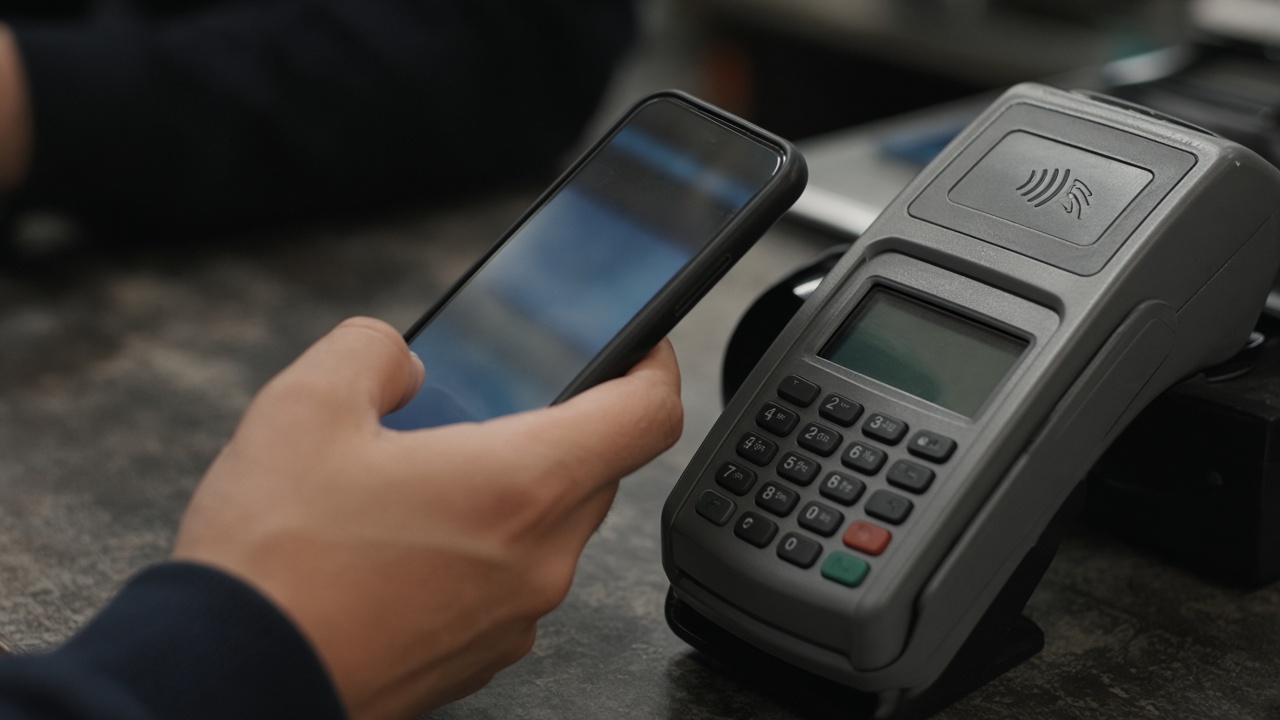
PayPay Card will require biometric re-authentication inside the PayPay app when a single cross-border wallet charge exceeds 50,000 yen, a step-up rule the issuer said takes effect on Thursday as Culture Week travel and online shopping overlap.
How the step-up works
Under the policy, foreign e-commerce checkouts routed through PayPay’s virtual card number must pass a face or fingerprint match in the app before authorization clears. Declined attempts will prompt users to retry inside PayPay rather than at the merchant site, reducing chargeback disputes tied to credential stuffing, according to materials sent to cardholders on Tuesday.
The 50,000-yen threshold matches a band several domestic issuers use for card-not-present fraud monitoring, but PayPay is applying it only to cross-border wallet spends, not domestic convenience-store taps.
Why the issuer moved now
PayPay’s payment services unit cited a spike in overseas ticket and luxury resale charges during last year’s year-end holidays. The company did not release fraud-yen totals but said step-up events blocked a double-digit share of flagged attempts in a July pilot covering select users traveling in South Korea and Taiwan.
Financial Services Agency statistics show cashless ratios continuing to climb, which increases issuer exposure when stolen app credentials meet weak merchant three-domain secure implementations abroad.
Cardholder impact
Frequent travelers buying rail passes or hotel bundles above the threshold should complete the biometric prompt before the merchant session times out, PayPay’s FAQ states. Joint marketing with SoftBank’s mobile division will push notifications to PayPay Card users leaving Narita and Kansai airports during Culture Day week.
Rival wallets including Rakuten Pay and au PAY have not mirrored the exact cross-border cap this week, though industry groups expect more issuers to harmonize step-up limits before the January shopping season.
Merchant-side friction
Some foreign merchants still route PayPay virtual numbers through acquirers with weak three-domain secure prompts, which can expire sessions before users complete biometric checks. PayPay said it is publishing a merchant troubleshooting guide and will downgrade authorization success rates for repeat timeout partners.
Consumer education
Wallet apps will show a pre-travel checklist urging users to update app versions and register backup devices before Culture Week departures. School boards in Saitama added the checklist to holiday safety newsletters after parent-teacher associations reported ticket scams on social media.
Reader and investor context
Holiday-thinned liquidity and overlapping macro headlines mean today’s moves can reverse quickly when full sessions resume. Desk editors should treat single-session swings as provisional until volume returns and official filings confirm corporate actions.
Institutional accounts said they kept hedge ratios unchanged through the Culture Day bridge, preferring to adjust positions after U.S. election results and domestic bond auction outcomes later in the week rather than chase opening prints.
Retail participation rose on online broker dashboards, a familiar pattern when national holidays align with global event risk and domestic policy calendars.