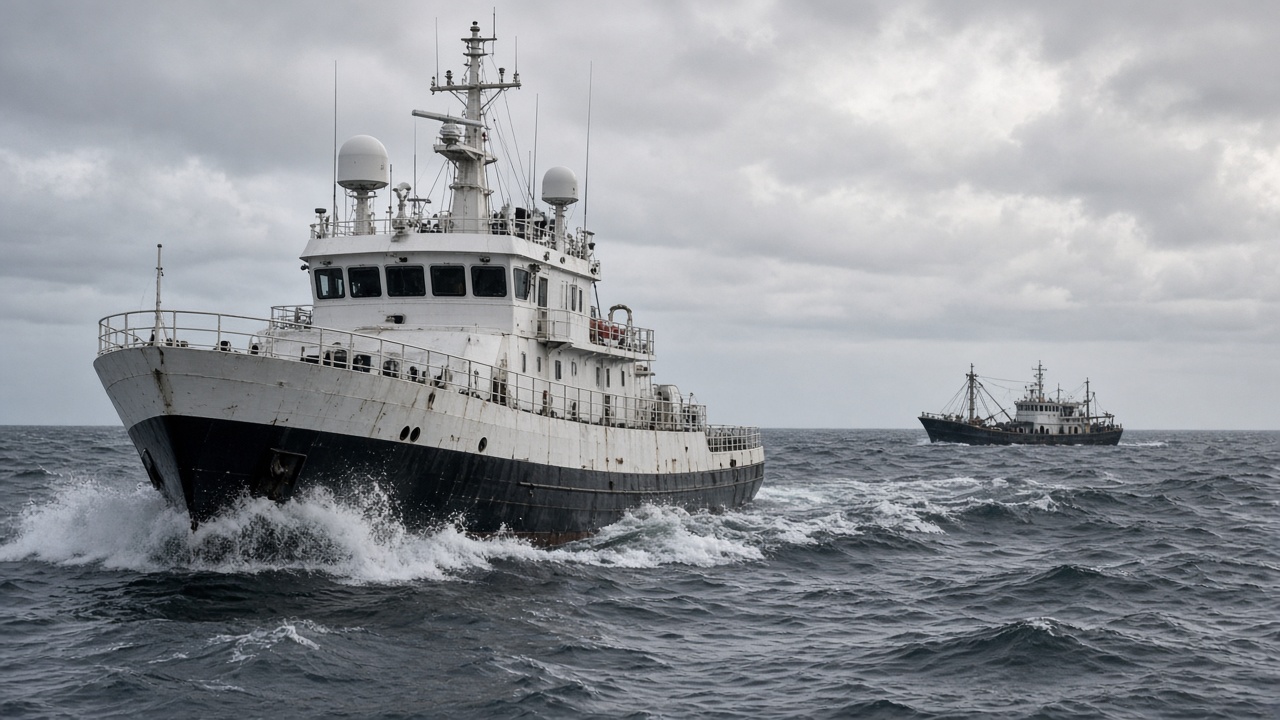
Taiwan’s Coast Guard Administration said on Monday that Beijing is using coast guard radio broadcasts to harass shipping off the island’s east coast, calling the messages an illegal expansion of power in waters where Taipei holds sovereign rights. The agency said it dispatched patrol ships, including the Ji An, to monitor Chinese vessels operating in the area, among them the Hushi and Meishan identified in government statements.
What changed at sea
Chinese state media aired footage of a coast guard ship broadcasting that it was conducting law enforcement and offering assistance, without identifying which merchant or fishing vessel received the transmission. Taiwanese officials linked the episode to a pattern of increased activity off Taiwan’s eastern exclusive economic zone, a corridor Taipei treats as critical for wartime resupply if the Taiwan Strait were blockaded.
The Coast Guard Administration said the People’s Republic of China has no jurisdiction over any Taiwanese waters and that attempts to pressure vessels by radio violate international law and regional stability. It reiterated that the Republic of China is a sovereign state and that Beijing’s rhetoric describing Taiwan as “China’s Taiwan Island” is disinformation that will not gain international recognition.
Broader military and paramilitary pressure
The maritime confrontation sits alongside a heavier military tally overnight. Taiwan’s Ministry of National Defense said that from 6 a.m. Sunday to 6 a.m. Monday it detected 19 People’s Liberation Army aircraft sorties, seven PLAN warships and six official vessels operating around the island, with four aircraft entering Taiwan’s southwestern and eastern air defense identification zone. The military responded with combat air patrols, navy ships and coastal missile systems, according to the ministry’s daily release.
Security analysts have long warned that Beijing blends high-visibility PLA exercises with coast guard, research and fishing assets to narrow Taiwan’s administrative control without triggering a full combat exchange. Ocean Affairs Council specialist Pai Pang-ting told a Taipei forum on Saturday that repeated incursions are meant to look like routine administration, gradually constraining Taiwan’s ability to police its own waters.
Pratas and earlier expulsions
The administration also noted that China sent another coast guard ship close to Taiwan-controlled Pratas Islands on Saturday. Taipei said it has expelled Chinese coast guard vessels from Pratas waters 13 times so far this year, underscoring how distant offshore territories remain flashpoints because of their isolation more than 400 kilometers from Taiwan’s main island.
Pratas lacks the permanent garrison density of Taiwan proper, which makes quick coast guard response essential. Any east-coast harassment that coincides with Pratas approaches would strain the same fleet of mid-size patrol cutters Taipei is now rotating toward Hualien and Taitung-facing waters.
Taiwan’s response and what comes next
By publicizing the Ji An deployment and naming opposing hulls, Taipei is signaling to shipping insurers and foreign navies that it will contest radio orders from Chinese cutters. The Coast Guard Administration vowed to continue monitoring and to take all necessary measures to safeguard sovereignty, language it uses when it wants both domestic and diplomatic audiences to treat an incident as more than a fishing dispute.
Commercial operators east of Taiwan rely on stable access to ports in Kaohsiung and Keelung as well as submarine cables that run along the seabed; even brief uncertainty about which authority controls a lane can delay schedules. Fisheries associations in northeastern counties have asked for clearer guidance when Chinese broadcasts order course changes, a request the administration is likely to address in closed briefings even if public statements stay terse.
Washington and Tokyo watch east-coast patrols closely because any blockade rehearsal would likely combine air interdiction, mine threats and coast guard boarding authority. Monday’s radio harassment alone does not equal a blockade, but it fits a sequence Beijing has accelerated since mid-2025, according to Taiwanese officials cited by Reuters and CNA. Taipei’s answer for now is presence: more cutters on station, public identification of Chinese hulls, and continued synchronization with the defense ministry’s daily order of battle reporting.