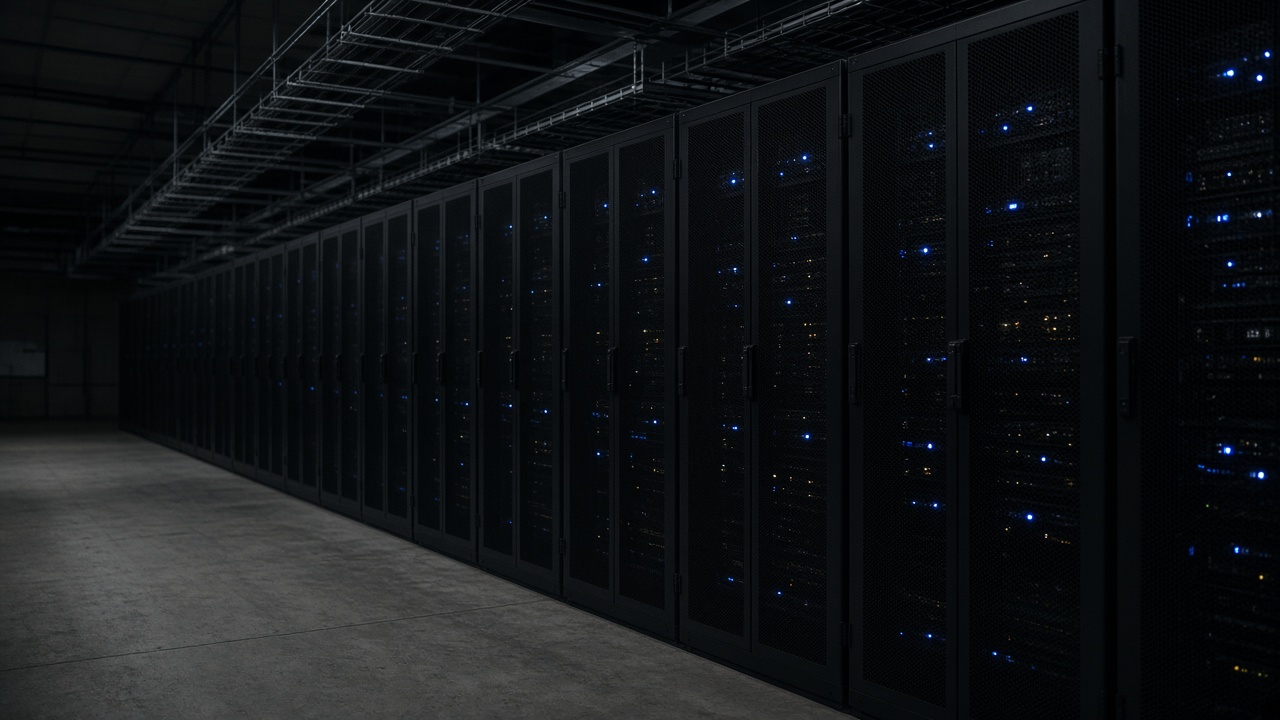
Anthropic’s latest revenue milestone failed to calm markets worried about AI spending runways, helping pull Seoul memory stocks lower in tandem with U.S. semiconductor names already reeling from Oracle’s capital-raising plans.
The profitability question
On the same day Anthropic reported third-quarter sales roughly twelve times higher than a year earlier, investors focused on total spending commitments tied to cloud leases and supplier contracts—figures large enough to rekindle debate about when AI labs convert top-line growth into durable free cash flow. The discussion landed hard in Korea, where Samsung Electronics and SK hynix still trade as leveraged plays on AI infrastructure build-outs.
Seoul’s Monday selloff mirrored overnight moves in Micron, AMD and Intel, underscoring how tightly Korean wafer names track U.S. hyperscaler capex sentiment even when local earnings remain strong on paper.
Why Korean labs still care
Domestic AI startups such as Rebellions and Upstage depend on imported accelerators and cloud credits, meaning higher perceived funding costs upstream can tighten downstream budgets for inference clusters and enterprise pilots. Government programs subsidizing sovereign AI compute do not fully insulate private firms from global risk-off days.
Research desks in Yeouido spent the session updating sensitivity tables: if U.S. megacaps pause accelerator orders even briefly, memory average selling prices could hold up while equities de-rate—a split that confuses retail investors watching both spot DRAM quotes and the Kospi.
What would change the mood
Traders pointed to upcoming U.S. election results and earnings from AMD as potential turning points. A calm guidance message on data-center demand could stabilize AI trades quickly, just as Oracle’s financing headline knocked them lower.
Until then, Korea’s AI narrative remains two-track: national policy pushes for on-shore models and chips, while listed prices still dance to San Francisco and New York headlines about whether the AI investment cycle pays for itself.
Seoul trading desks
Foreign brokerages in Seoul widened spread quotes on memory ETFs as volatility spiked, and several wealth-management apps sent push alerts about concentrated tech exposure. Retail message boards debated whether to buy the dip in SK hynix, echoing similar threads during the August AI scares.
Policy makers did not intervene in the session, but the Financial Services Commission reminded brokerages to keep margin lending disclosures current if volatility persists through the U.S. election week.