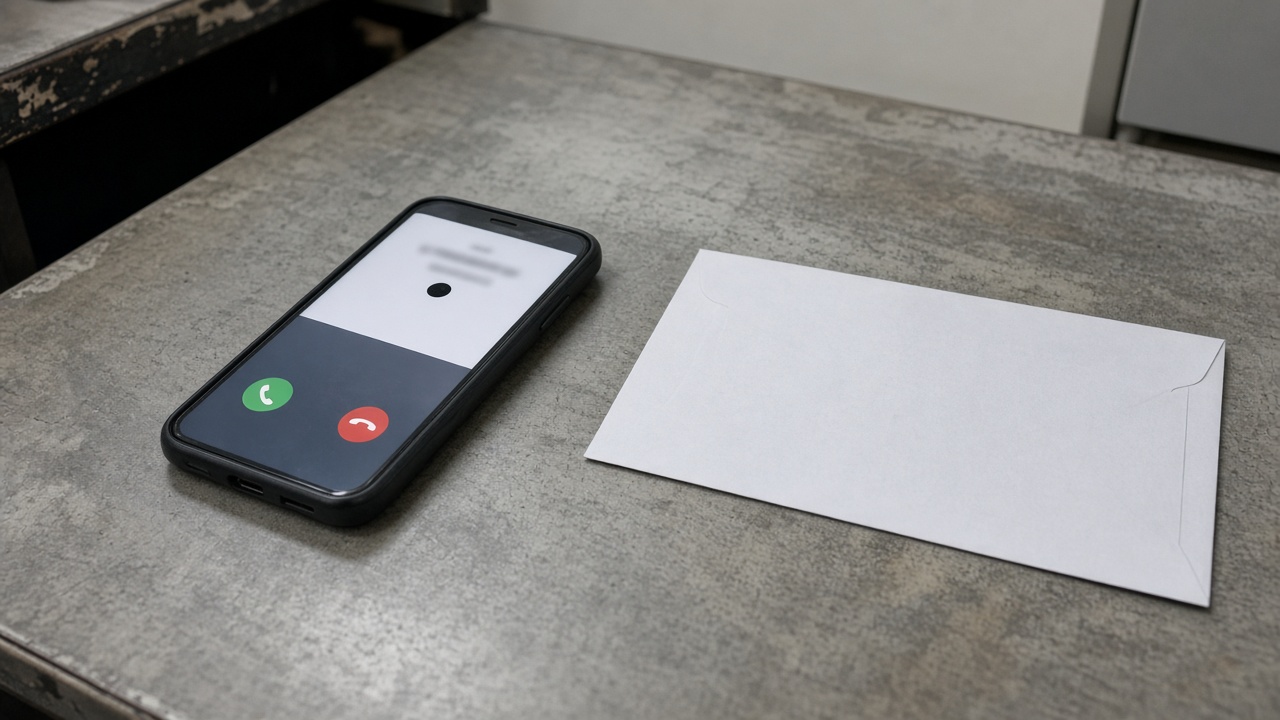
The General Services Administration’s inspector general warned Monday that scammers are spoofing legitimate GSA OIG phone numbers on caller ID, then pressuring targets to hand over Social Security digits or pay bogus fines — the latest government‑impersonation wave as voters finish returning midterm ballots and the Federal Trade Commission asks the public how platforms should block look‑alike ads.
Spoofing makes a fraud call appear to originate from a real agency switchboard. Victims who trust the number on the screen may share banking details before checking the agency’s published hotline independently. GSA OIG said reports spiked after similar scripts tied to fake FTC “phone deactivation” threats circulated nationwide.
What the caller typically asks for
Scripts vary, but the pattern is consistent: an urgent legal problem, a demand to verify identity, and a push toward wire transfers, gift cards, or cryptocurrency. Some calls transfer victims to a second actor posing as local police. Others cite overseas fraud tied to the victim’s phone number — a narrative the FTC explicitly debunked in an October consumer alert.
If you receive such a call, hang up without engaging. Look up the agency’s inspector general or consumer hotline from an official .gov site and call back on that number. Do not use callback numbers the caller provides.
FTC seeks input on impersonation ads
Separately, the FTC opened a comment period through Nov. 30 on whether social platforms, search engines, and marketplaces should vet advertisers before publishing sponsored posts that mimic banks or federal agencies. The existing Impersonation Rule already bars pretending to be the government; the commission is weighing requirements such as pre‑publication checks and faster takedowns when users report fake IRS or SSA offers.
Consumers who spot suspicious ads can file at ReportFraud.ftc.gov and note whether the ad appeared in a feed, search result, or shopping tab. Comments on the rulemaking docket help shape enforcement, but they do not replace individual fraud reports.
Election week adds cover for fraud
The FBI and Cybersecurity and Infrastructure Security Agency issued updated public service announcements warning that scammers exploit election season with fake donation pages, bogus voter‑registration texts, and merchandise that never ships. A text claiming you are not registered and linking to an unfamiliar site is a common phishing setup; check registration only through your state election office or vote.gov.
Prior scam victims are also seeing “recovery agent” outreach on social media from people impersonating FBI Internet Crime Complaint Center staff. IC3 does not solicit cases through Facebook or Telegram and does not promise to return lost funds for an upfront fee.
Steps that actually reduce risk
Enable call screening on your mobile carrier and treat every unsolicited government call as fake until verified. Never pay by gift card or crypto — no federal agency accepts those rails. If you already sent money, report to ReportFraud.ftc.gov and your local FBI field office; speed matters for tracing wires, though recovery is not guaranteed.
Share the GSA alert with relatives who rely on landlines, where spoofed numbers are harder to distinguish from legitimate callbacks. Document the displayed number and any callback instructions; investigators use those details even when the underlying trunk is hidden.